

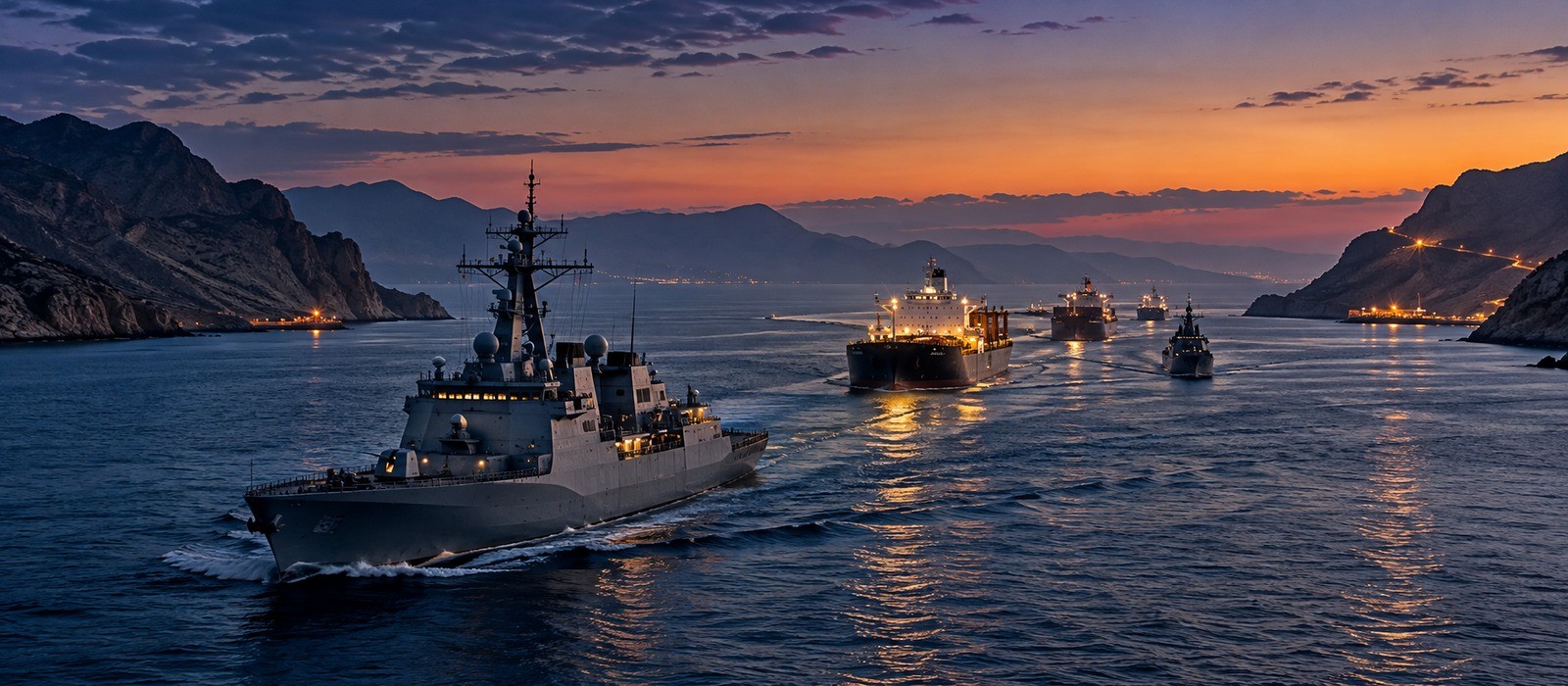
NAVAL LESSONS OF THE 2026 AMERICAN ISRAELI CONFLICT WITH IRAN IN WEST ASIA
Editor's Note: This article was originally published in the July 2026 issue of Medals and Ribbons ma...
 C/O Naval War College, INS Mandovi, Verem, Goa, India. 403109

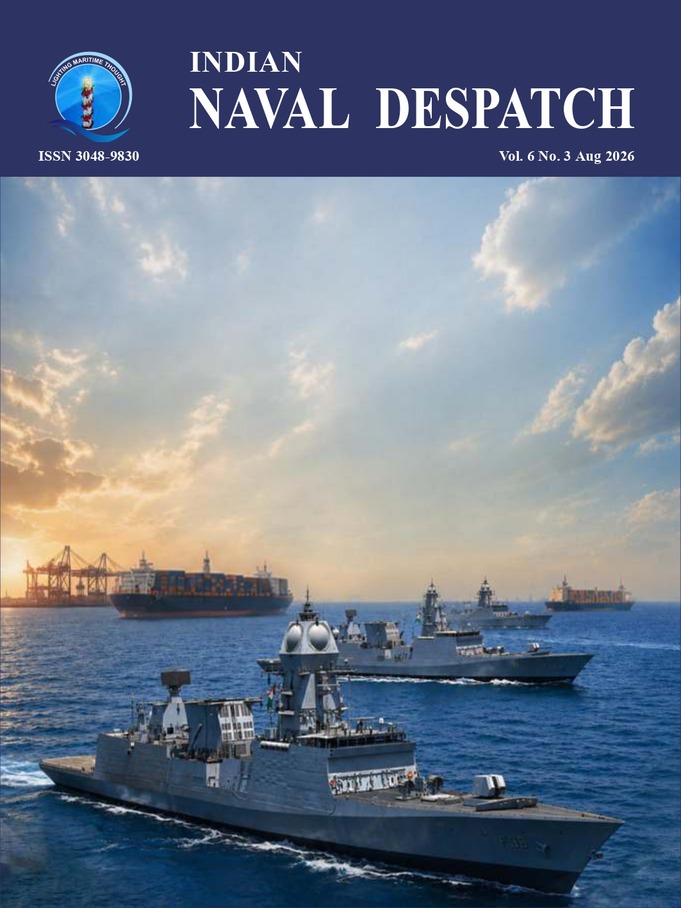


Maritime Power in an Era of Strategic Competition and Technological Transformation
Let me start by thanking the governing board of the Indian Naval Despatch Foundation for placing their trust in me by giving me the opportunity to head the editorial team of the flagship journal of the Indian Navy, the INDES. It is an onerous responsibility which I intend to fulfil to the best of my ability. I would also like to place on record the tremendous work done by my predecessor, Rear Admiral Sudarshan Shrikhande in taking the journal from its infancy to the high standing it has today. In this task, he has been assisted by a competent editorial team in which Captain Anshuman Chatterjee has played no small part. I am fortunate to have inherited this team and will continue leaning on them in our constant effort towards betterment of the INDES.
The maritime world is changing quickly. Great-power competition has returned, technology is altering the way wars are fought, coercion below the threshold of conflict has become commonplace, and sustained high-intensity warfare is no longer something that navies can regard as a distant possibility. For India, these developments have immediate consequences. They affect the security of our sea lines of communication, the resilience of our economy, the forces we build and deploy, and the way we prepare those who will command them.
This edition looks at that changing world through a deliberately wider lens. It moves from the lessons of contemporary conflict to the enduring ideas of statecraft found in the Arthashastra; from Israel and the Gulf to China’s expanding presence in the Indian Ocean; and from contested chokepoints, submarines and capital ships to the opening strategic spaces of the Arctic. It then turns inward, to artificial intelligence, human-machine decision-making, the education of officers and, ultimately, the people the Navy recruits and develops. The subjects are diverse, but the underlying concern is the same: how should maritime power adapt when geography and the fundamentals of strategy endure, even as technology, threats and the character of conflict change around them?
The starting point is the changing character of conflict itself. Drawing upon the wars in Ukraine and West Asia, as well as India’s own recent operational experience, Vice Admiral Puneet Kumar Bahl places contemporary defence modernisation in its wider strategic setting. Technology alone, his article reminds us, does not confer lasting military advantage. Political resolve, industrial capacity, logistics, institutional adaptability and national resilience remain equally important. Artificial intelligence, autonomous systems, precision weapons, cyber and electronic warfare, and space-based intelligence may be changing the battlefield, but they have not displaced the enduring requirements of strategy, leadership and national purpose.
One consequence of this technological change is the growing premium on decision-making. It is no longer simply a question of how many sensors a force possesses or how sophisticated its weapons are, but how quickly information can be fused, understood and acted upon. In his examination of AI-enabled decision superiority, Captain Abhishek Prasad explores precisely this challenge, including the ability to continue functioning when networks and systems are disrupted. For the Navy, the issue is therefore not merely the acquisition of artificial intelligence, but its sensible integration into doctrine and command. AI may help a commander reach a decision faster; responsibility for that decision must nevertheless remain human.
These larger questions of strategy and technological change acquire particular immediacy in West Asia, where regional rivalries, maritime geography and Indian interests intersect.
An interesting starting point is provided by the theory of “Rajamandala,” through which Captain Ritesh Suri examines Israel’s foreign-policy choices. The value of the comparison lies not in suggesting that modern Israel consciously follows Kautilya’s Arthashastra, but in showing how classical ideas of statecraft can still illuminate the behaviour of states negotiating alliances, adversaries and the compulsions of survival in difficult neighbourhoods. The evolution of military power alongside such statecraft is taken up by Dr Divya Malhotra, whose account of the Israeli Navy traces its journey from a predominantly coastal-defence force towards one capable of contributing to strategic reach.
Recent conflict provides a more immediate test of some of these ideas. Looking at the 2026 American-Israeli conflict with Iran through the perspectives of Mahan and Corbett, Captain Yogesh Athawale asks what the lessons of war tell us about maritime power in an age of precision weapons, autonomous systems and persistent surveillance. The means of warfare may have changed considerably, but bases, logistics, mines, blockade, coastal defence, morale and the ability of maritime forces to influence events ashore remain stubbornly relevant.
Nowhere are these issues more sharply concentrated than in the Strait of Hormuz. For India, the challenge there extends well beyond freedom of navigation. Strategic autonomy, energy security, important diplomatic relationships and the protection of vital sea lines of communication have to be managed simultaneously. Commander Arjun Kapoor examines this difficult balance and, in doing so, demonstrates how quickly events in a geographically confined maritime space can result in consequences far beyond the region itself.
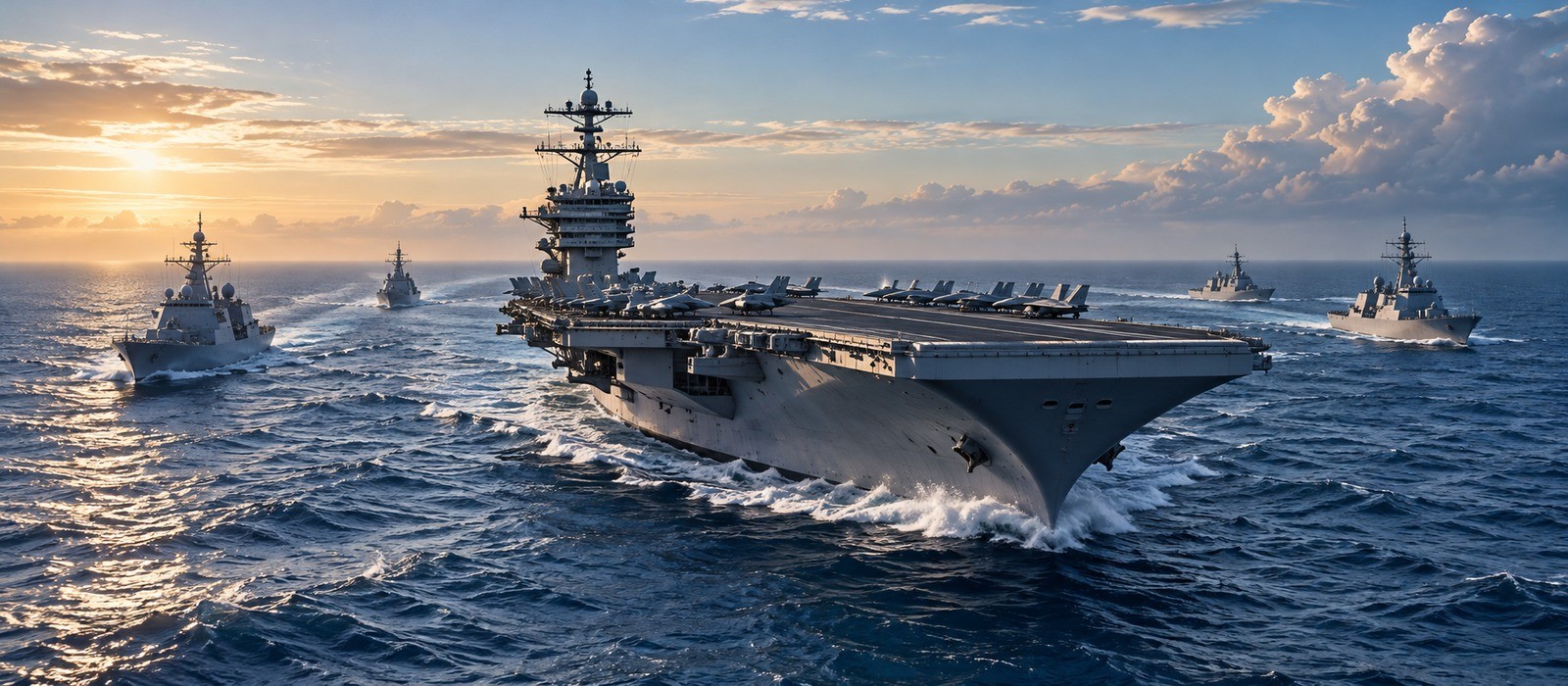
The same waters provide the setting for a wider debate over the future of the large capital ship. In ‘Is Big Still Beautiful? The Relevance of the Large Capital Ship’, Rear Admiral Arjun Dev Nair examines whether carriers and other large warships can retain their strategic value amid persistent surveillance, precision weapons and uncrewed systems. Drawing on the history of the Strait of Hormuz and US Operation Earnest Will, he argues that vulnerability in confined waters should not be confused with obsolescence. The question is not simply whether ‘big’ remains viable, but how the capital ship must adapt to remain survivable and operationally relevant.
Moving eastwards, a different but equally consequential maritime challenge is taking shape. China’s growing presence in the Indian Ocean is unlikely to be marked by a single dramatic event. Rather, it is the cumulative effect of access, infrastructure, economic relationships and an increasingly capable navy that deserves attention. Commodore Sudip Malik explores these structural forces through Beijing’s growing ‘Indian Ocean Imperative’ and the steady accumulation of commercial, diplomatic and dual-use access across the region.
How we describe Chinese behaviour is itself important. The familiar expression ‘grey-zone activity’ has become part of the strategic vocabulary, but Captain T S V Ramana questions whether it adequately captures deliberate and intimidatory actions at sea. His argument raises a larger point: terminology is not neutral. The words used to describe coercion can sharpen our understanding of an adversary’s actions, but they can also unintentionally make those actions appear less serious than they are.
More difficult to observe, but potentially more damaging, is the challenge below the surface. The PLAN submarine and mine threat forms the basis of Rear Admiral Sudhir Pillai’s examination of future sea denial against India. Significantly, the targets in a future crisis may not be naval platforms alone, but merchant shipping and the energy flows on which the country depends. This is also a force-structure problem with a very long horizon. The anti-submarine warfare capability India may require in 2047 has to be conceived, justified, funded and built well before that threat fully materialises.
The edition then takes the reader beyond the familiar geography of the Indian Ocean. Melting ice, changing sea routes and intensifying strategic competition are steadily altering the significance of the Arctic. Against this background, Commander Phayetmi Mungrei considers India’s requirement for an ice-class replenishment oiler. The proposal is about more than another platform; it raises the larger question of how India might sustain scientific, economic and eventually strategic interests in a region that could assume considerably greater importance in the decades ahead. Maritime geography, after all, does not remain static.
Platforms, weapons and geography, however, tell only part of the story. Naval power ultimately depends upon the people who operate these systems and the institutions that prepare them.
Few environments demonstrate this more clearly than a submarine. Fatigue, atmospheric conditions, noise, vibration, cognitive load and prolonged social isolation have direct consequences for judgement and endurance. In their study of human engineering in submarines, Surgeon Lieutenant Commander Subhranshu Kumar and Lieutenant Commander Aman Sharma show why human-centred design cannot simply be treated as a matter of crew comfort. It is an element of survivability and combat effectiveness.
There is an equally important human challenge emerging in the classroom and the staff room. Large Language Models can organise information, accelerate research and assist analysis, but convenience can easily become dependence. Commander Abhishek Kesari examines what this means for Professional Military Education and warns against allowing technological assistance to erode reflective judgement, intellectual authenticity and moral courage. Officers must learn to use these systems, but equally they must retain the ability to think independently of them.
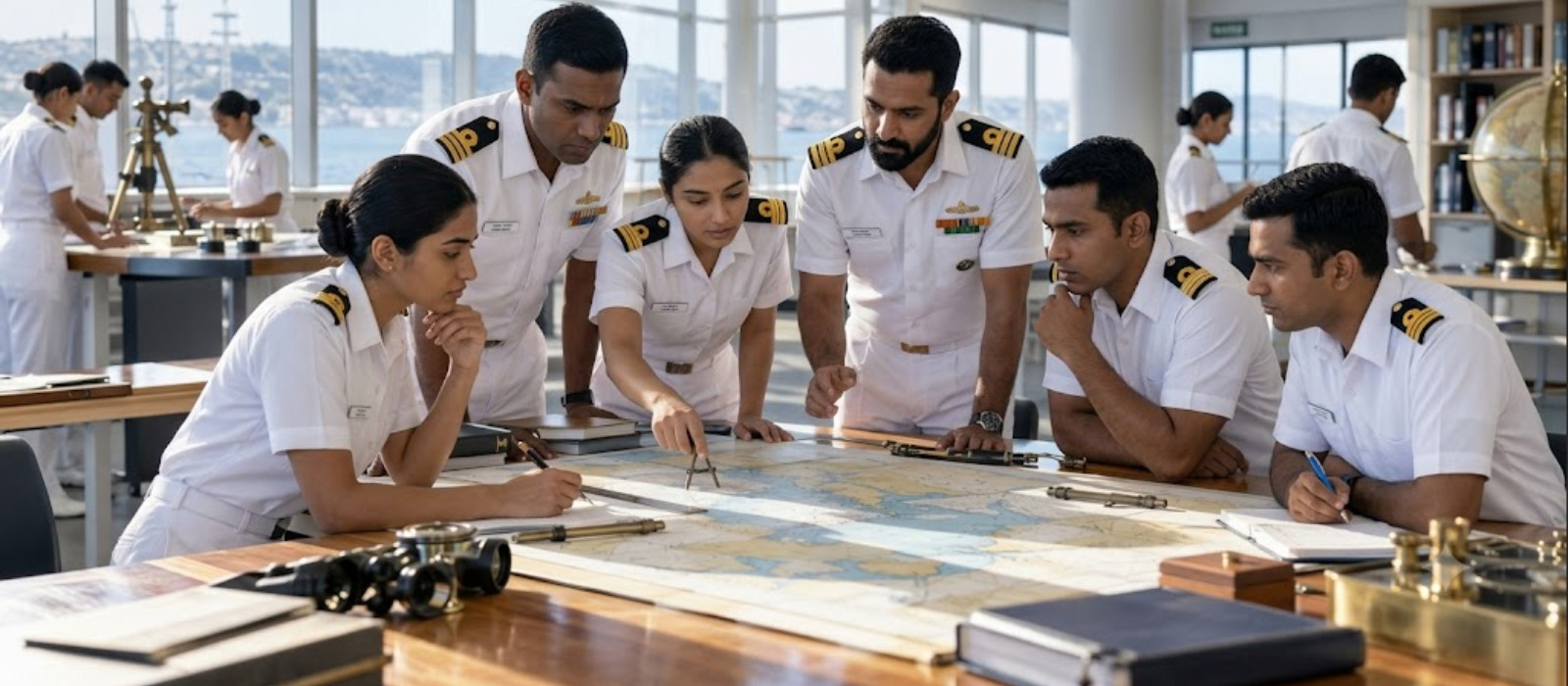
That leads naturally to a more fundamental question: are we recruiting and educating the right people for the Navy we are building? Commodore V Z Job challenges the continued adequacy of an engineering-centric induction model and argues for a wider recruitment pool, aptitude-based selection and customised technological education. It is an appropriate point on which to conclude the articles section, because the Navy’s future capability will depend not only upon the ships, aircraft, weapons and networks it acquires, but upon the people it attracts and how effectively it develops them.
Taken together, these contributions suggest that the choices before the Navy cannot be separated neatly into strategy, technology, platforms or manpower. Each affects the other. The challenge is to recognise what is genuinely changing while retaining a clear understanding of what is not—and to make today the decisions that will determine our readiness for the maritime environment of tomorrow.
The book reviews widen the discussion further, examining modern autocracies, defence innovation and the human cost of ambition. Rogues’ Yarn, as always, brings us back from strategy and technology to the lived experience of those who have served and commanded at sea, albeit in a lighter vein, accompanied by a reflective sketch from our resident Sub-Editor, Captain Anshuman Chatterjee (Retd.).
We commend this edition to our readers and hope that it provokes discussion, disagreement and further thought. That, after all, is one of the purposes of a professional journal. May the debate continue—and the pens remain sharp.

Editor's Note: This article was originally published in the July 2026 issue of Medals and Ribbons ma...
Abstract: The article analyses the engineering-centric officer recruitment model of the Indian Navy ...

Editor's Note: Certain operational details, locations and timelines have been generalised for securi...
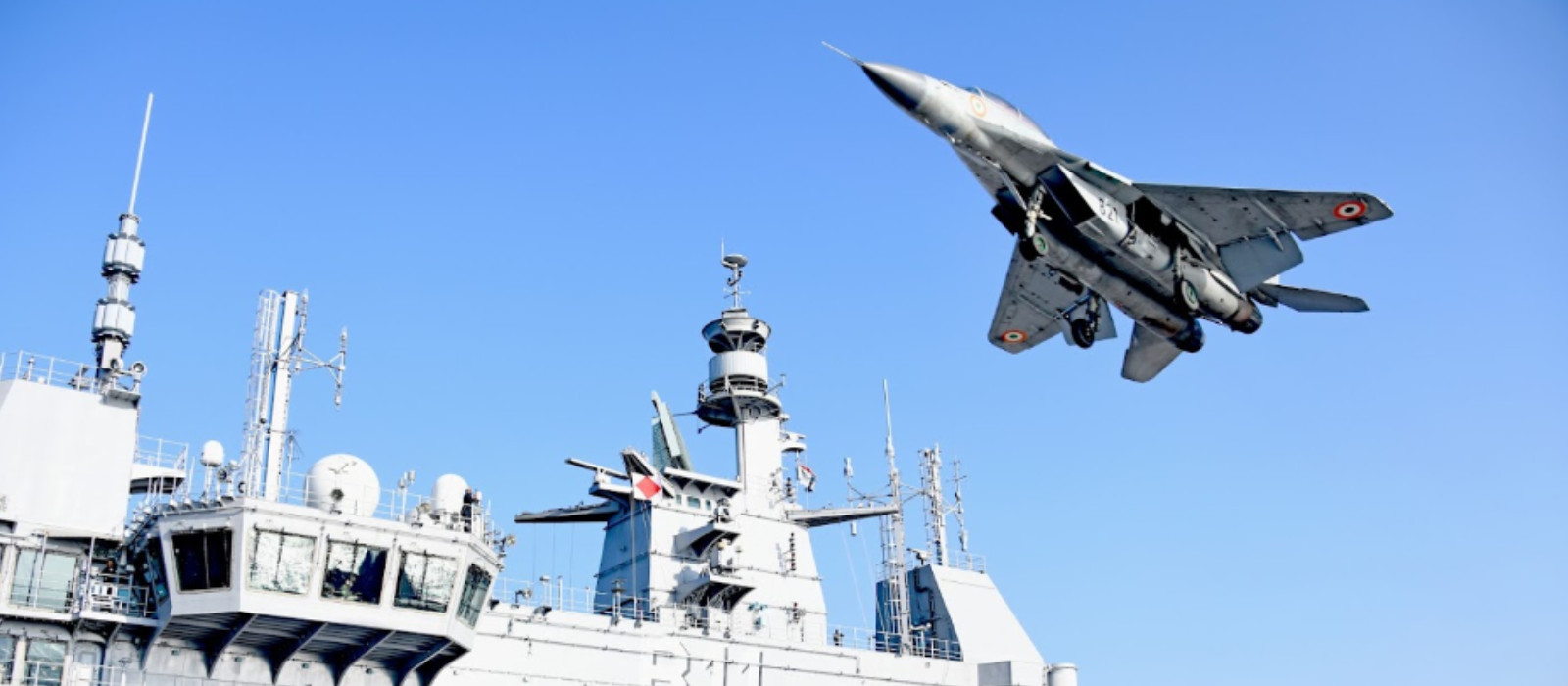
Abstract: Recent conflicts, including the Russia–Ukraine War, the West Asia conflict and India's...
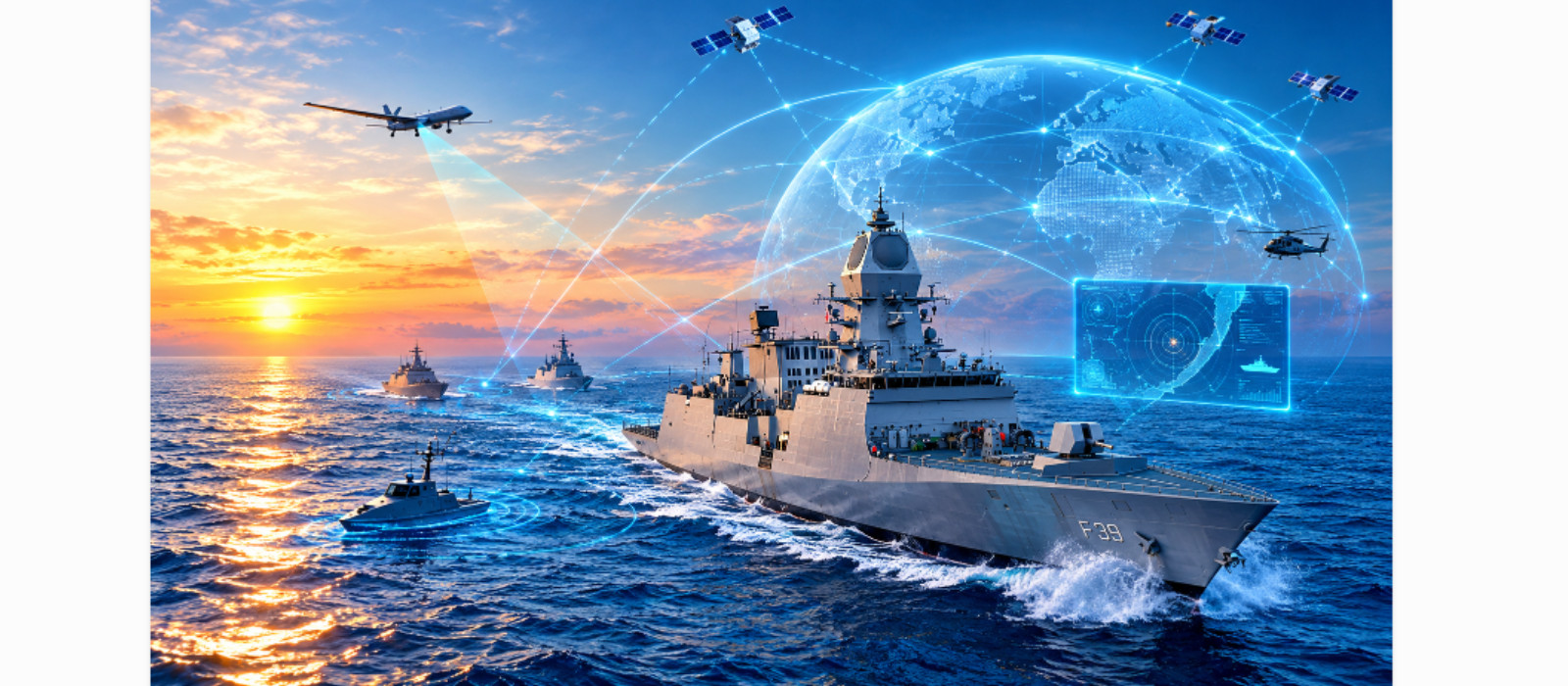
Abstract: Recent conflicts in Ukraine, Gaza and the Red Sea have demonstrated that combat advantage...

Disclaimer: The views expressed in this article are those of the author and do not necessarily refl...
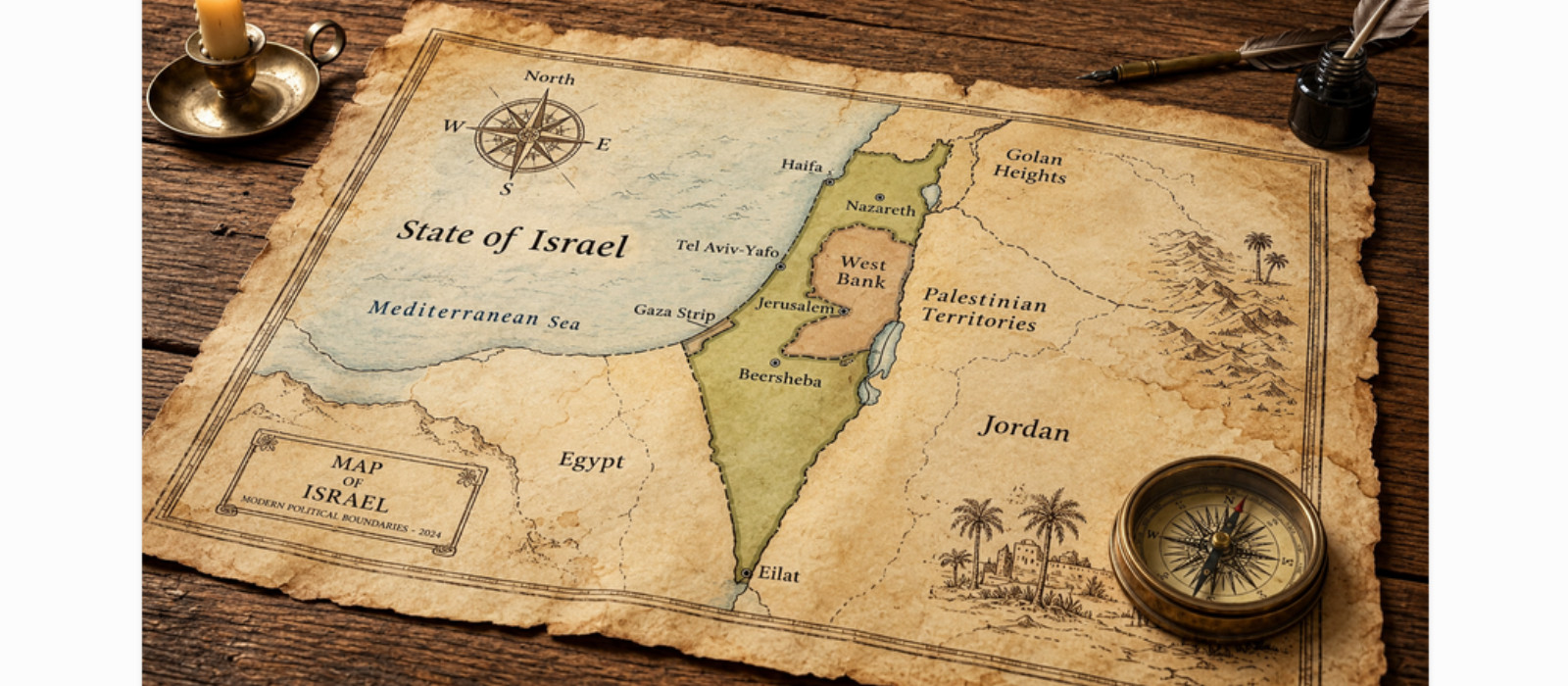
Author's Note: The author conducted an online interview with Dr Ehud Gonen on 22 June 2026. Dr Gonen...
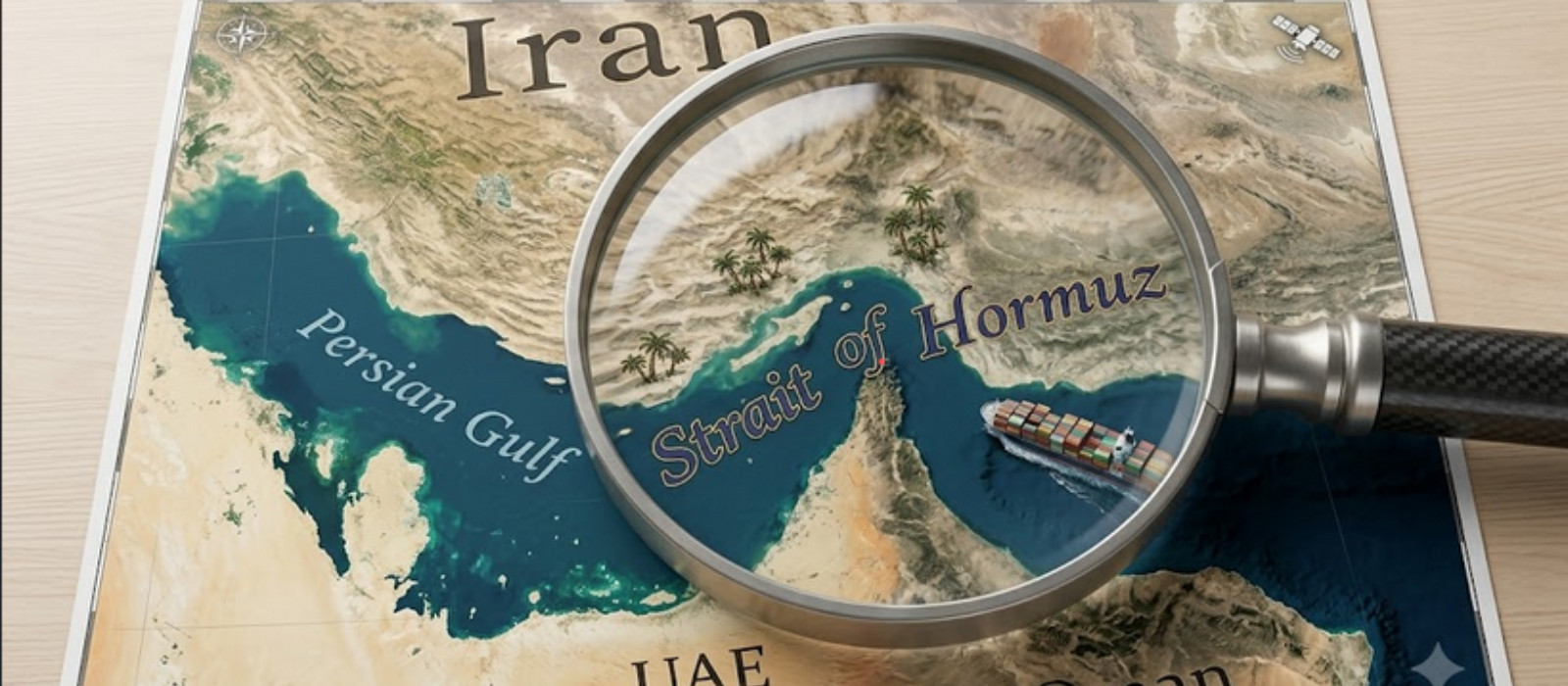
Editor's Note: This article was substantially completed in November 2025 and analysed the potential ...
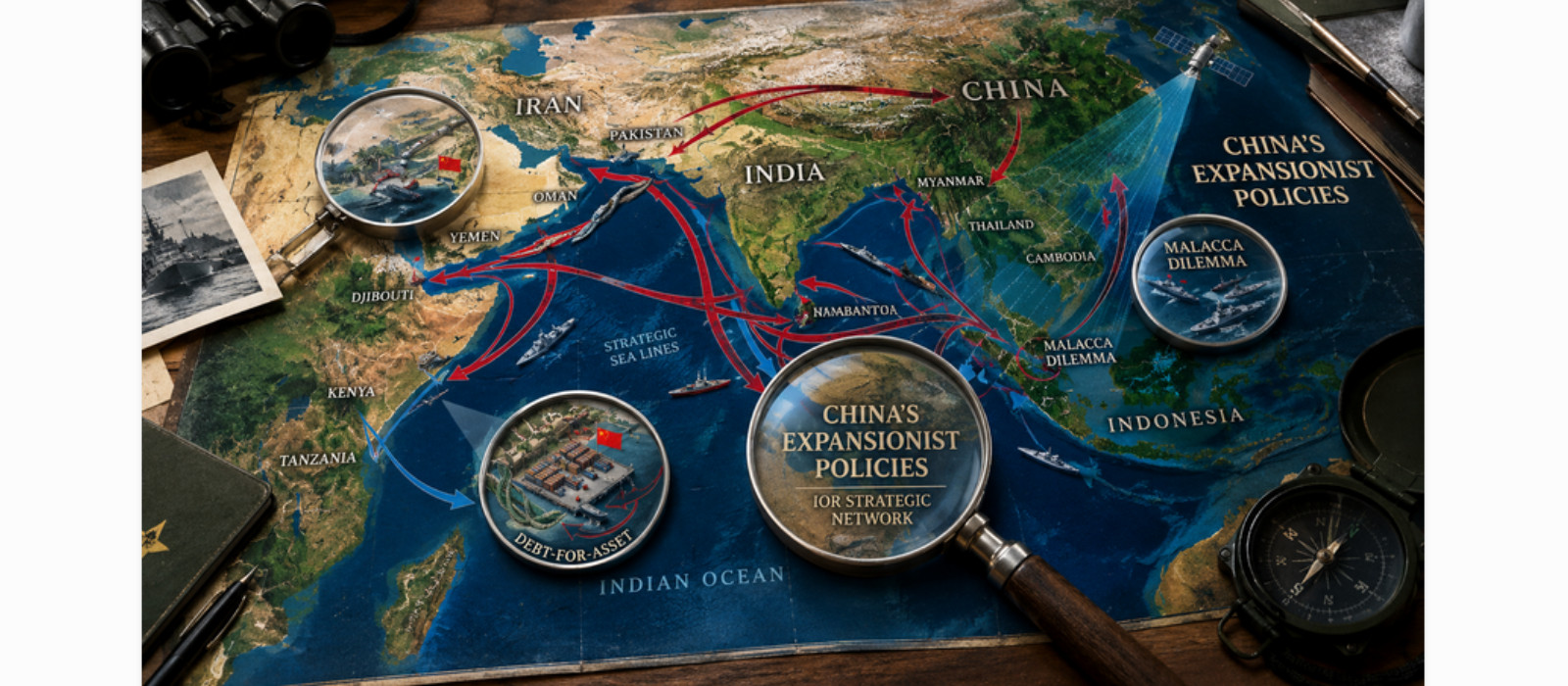
Abstract: China's expanding presence in the Indian Ocean Region is commonly explained through the le...
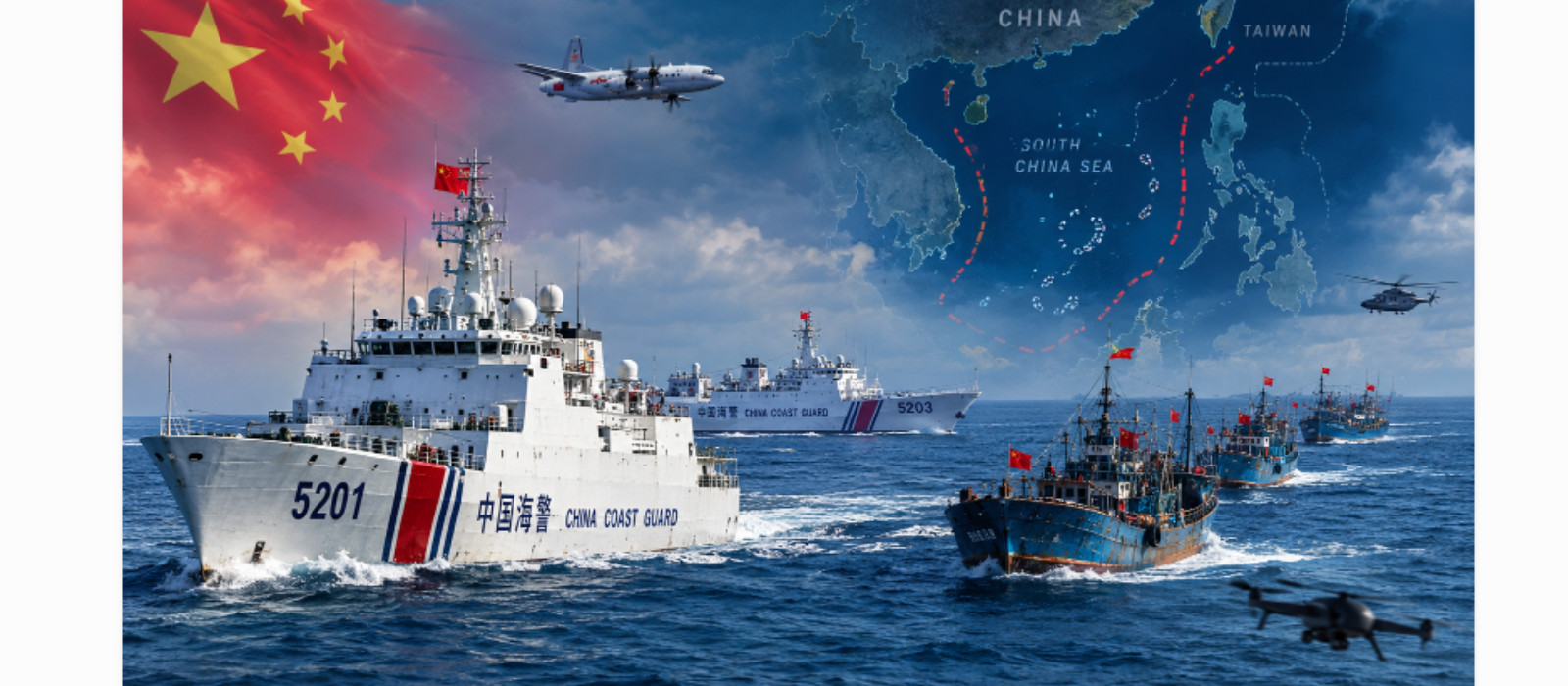
Abstract: China claims large swaths of the South China Sea (SCS) enclosed within the infamous Nine-D...
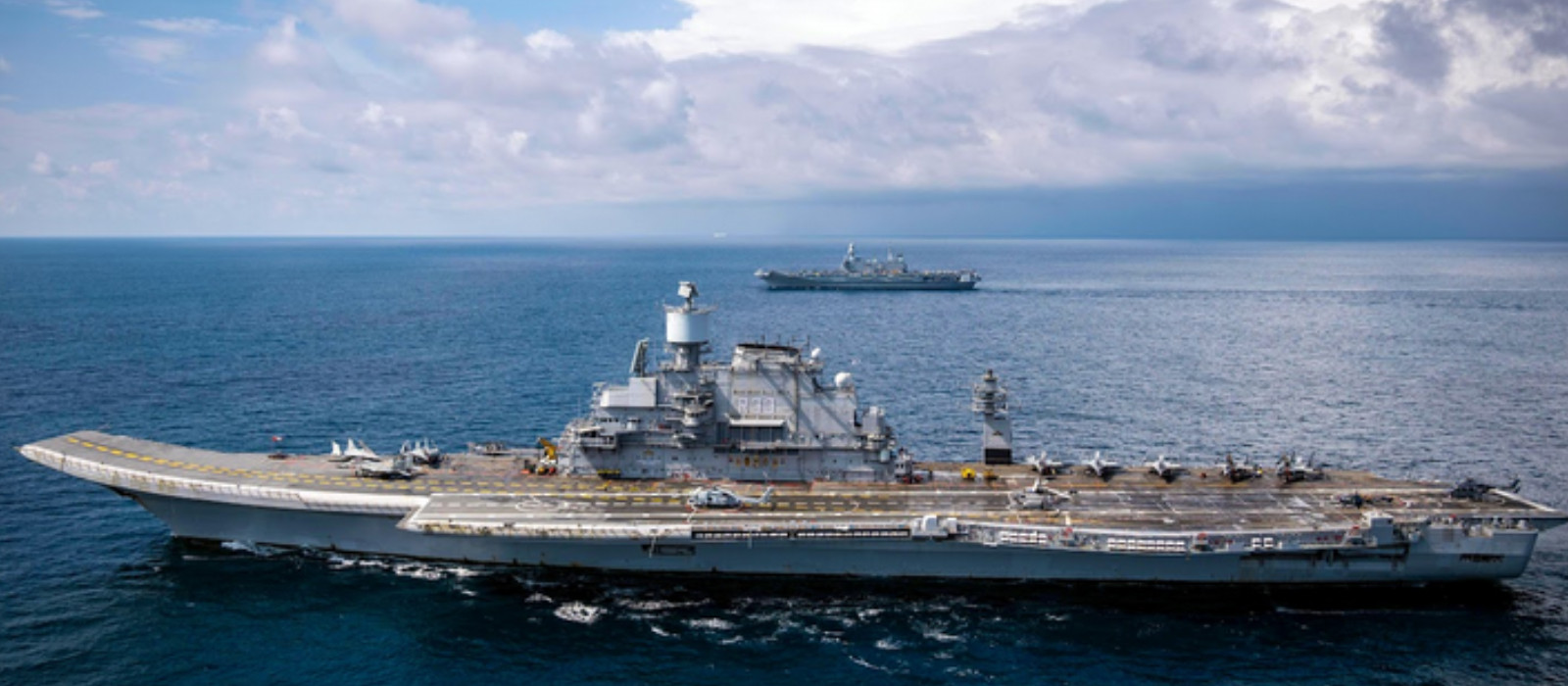
Abstract: The debate on subsurface threats to India is often framed around the wrong question. The q...

“Dependence on other countries is our biggest enemy. And together we must defeat this enemy of Ind...
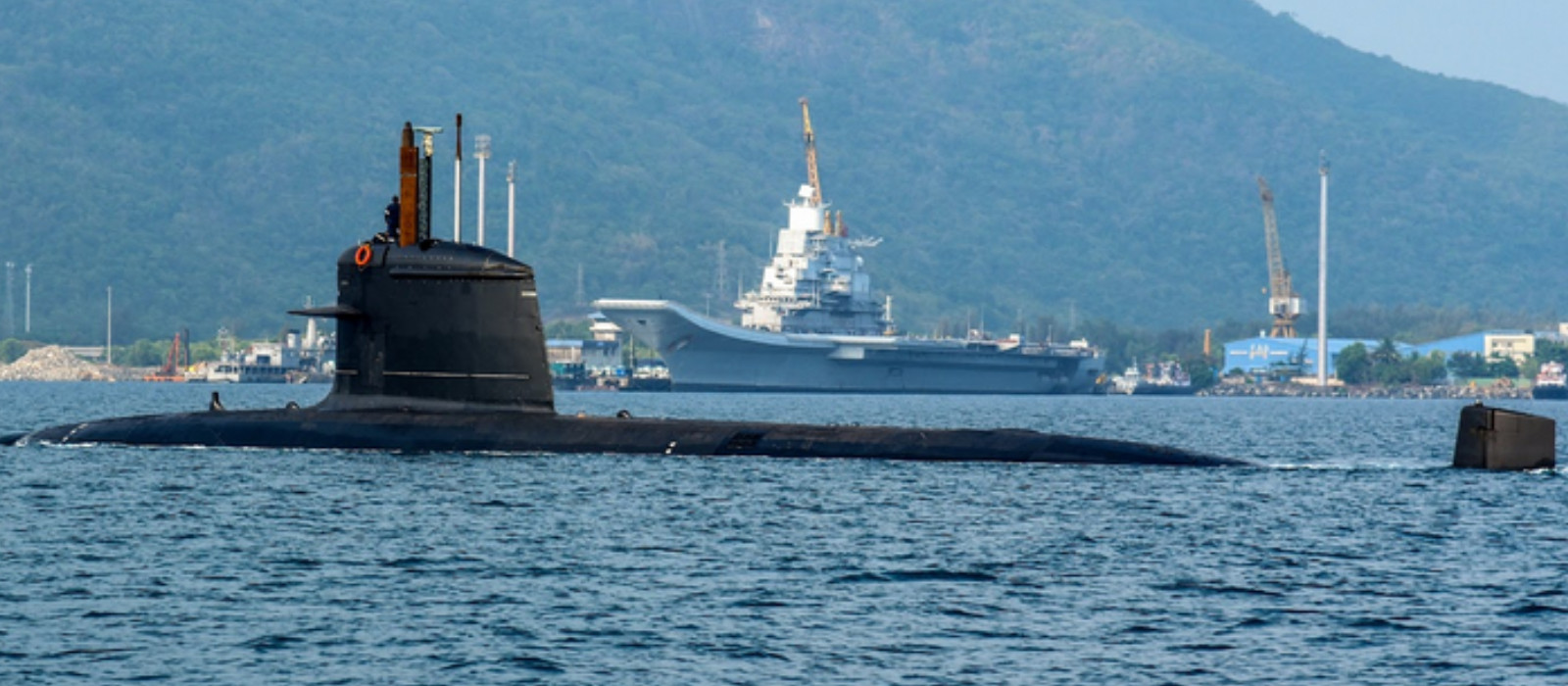
Abstract: Submarine warfare is one of the most challenging operational environments, where maintaini...
Abstract: This essay examines a critical paradox of the contemporary information environment while a...

Autocracy, Inc. – The Dictators Who Want to Run the World Author: Anne Applebaum Published by: Dou...
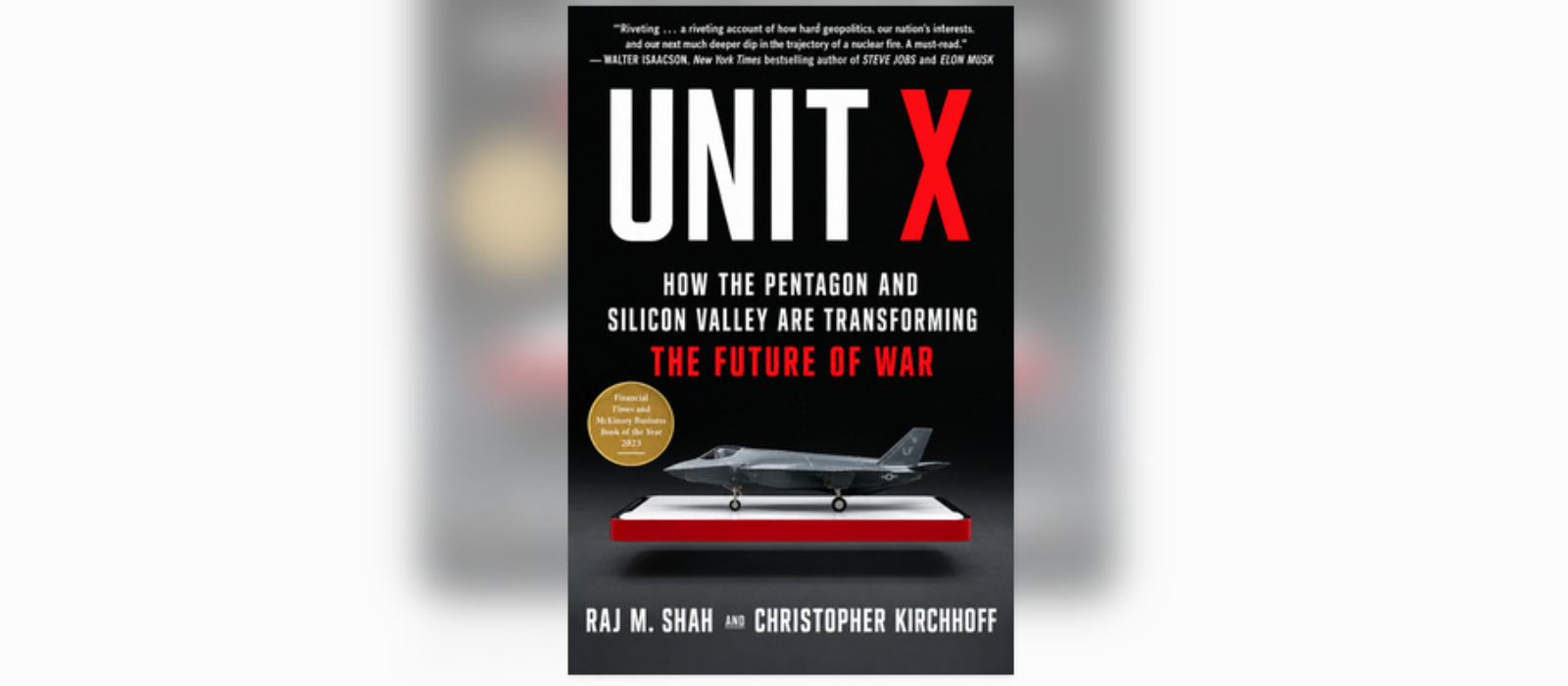
UNIT X: How the Pentagon and Silicon Valley Are Transforming the Future of War Authors: Raj M. Shah ...

The Money Trap: Grand Fortunes and Lost Illusions Inside the Tech Bubble Author: Alok Sama Published...