



WHY DOES THE ARCTIC REMAINS ELUSIVE? THINK ARCTIC, THINK STRATEGY
Abstract: The Arctic is undergoing rapid transformation, emerging from a frozen polar “cap” into...
 C/O Naval War College, INS Mandovi, Verem, Goa, India. 403109

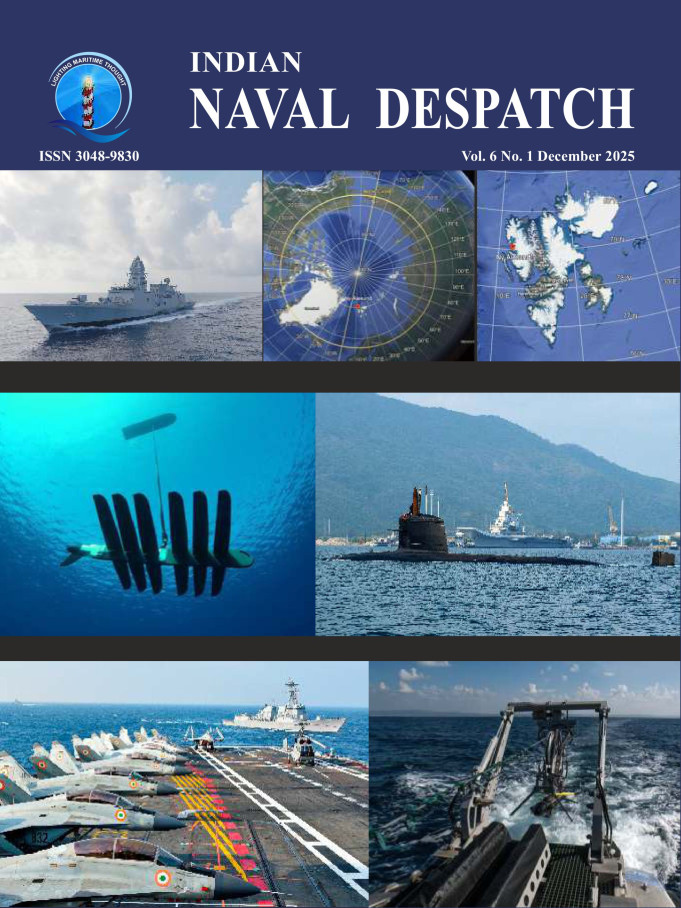


Cold Poles, Operation Sindoor, Seabed Warfare & Blending Theory with Practice
As we transit from 2025 to 2026, one can say that it has been a monumental year for India. Operation Sindoor, the retaliatory attack on terrorist camps and military facilities supporting them in Pakistan in the wake of the terrorist carnage in Pahalgam on 22 April 2025, has dominated discourse in the subcontinent. There would be lessons to be learnt across the four strategic (and operational as well as tactical levels) dimensions of statecraft, the diplomatic, informational, military and strategic (“DIME”). Some would be based on what went right and, more significantly, on what could have been done better. The IN Despatch hopes there will be critical analyses in its pages in forthcoming issues. This volume makes a beginning with an essay by Colonel Parth Verma on the challenges of perception management in a world with far greater complexities of media and social media, of news and fake “news.” In A Framework for Perception Management Operations in the Backdrop of Operation Sindoor, he examines the way media narratives played out on both sides of the border; the quantum of fake stories created especially from Pakistan; the need to assess the actual impact and to set up more agile media and public relations apparatus in the Indian defence establishment. However, he also makes other important points. Clear military dominance at tactical and operational levels is crucial for consequent benefits of what is called influencing the “narrative”; that credibility in perception building is very important and that trained and dedicated teams professionally and that proactively engaging in perception management is central to an effective communication strategy.
From this mention of the heat of Operation Sindoor, we move to the relative cold of the Arctic and polar matters. The lead essay, Why does the Arctic Remains Elusive? Think Arctic, Think Strategy, by Commodore Muthu Krishnan, is a critical look at the history of India’s growing interest and involvement in the region at a later stage than our much older Antarctic efforts. It also makes several suggestions for greater energy and coherence in India’s Arctic engagement which could be noted by policy levels. Readers would be interested in knowing that since 2024 the Naval War College, Goa, has a Centre for Arctic Studies which is headed by the author of this lead essay. There is a second article on the Arctic, Navigating Arctic Legal Complexity: Way Ahead for India's Strategic Engagement in the Arctic by Commander Anup Padman. He examines the current legal regimes and their adequacy and strategic consequences on security and reviews legal strategies of Arctic as well as non-Arctic states. Instruments like UNCLOS’ Article 234, the Ilulissat Declaration, and the IMO Polar Code all have legal gaps and ambiguities which does facilitate strategic manoeuvring in polar waters. Its primary argument is that India’s observer role and scientific involvement must mature into deliberate legal and institutional engagement within the Arctic Council as well as bilaterally with the eight members and other observer states.
Lessons from the Korean War are examined once again this time by Commodore Khurana. His analysis, Identifying and Analysing China’s Strategic Approaches During the Korean War, 1950-53, focuses on Chinese rationale and statecraft, centred on the then Chairman Mao Xedong. He and the Communist Party of China drew on their traditional strategic culture and more contemporary revolutionary nationalism to orchestrate mass mobilisation and leverage asymmetry to confront a much better equipped foe. His argument that “this conflict reflects on the criticality of harmony between political intent and military execution as also… precepts of asymmetry and realpolitik that remain enduring lessons for practitioners of strategy and war” is very important for military and political minds to always bear in mind.
Shifting to present day China, Captain Vivek Singh briefly traces the evolution of China’s aircraft carrier capability from the Liaoning to Shandong, now the bigger and electromagnetic- launch capable Ship. In An Assessment of China’s Growing Aircraft Carrier Capability, he also examines how these carriers may serve the PLA’s strategies as well as for the PLA Navy’s operational use. He looks at the growing tempo of flying operations and multi-carrier training they do as well as their attempts to use them for coercive signalling. He infers that carriers are more likely to be deployed in times of tensions, and for activities in the grey zone but are less likely to be used in peer level conflicts when they may operate under greater threat to themselves.
In Challenges and Inconsistencies Between Theory and Practice of Coercion, Wing Commander Pandey deploys the range of reading involved during his recent Warfare and Aerospace Strategic Studies Programme. He traces the evolution—and difficulties—of coercion as a tool for statecraft for purposes of deterrence, or during wars and in less than war situations. He gleans the utility of the theory of coercion from authoritative books written across centuries and relates them to practice. In doing so, the reader gets a brief glimpse into Thucydides, Kautilya, Schelling to name a few and to see how that theory informs practice or how it departs from it in the military, cyber and nuclear domains. In practice, he argues, that the effectiveness of coercion can be impacted by factors such as irrational decision-making, misperception, escalation dynamics, geopolitical entanglements, domestic politics, emerging technological domains, and strategic culture. The paper finds that successful coercion demands adaptive, context-sensitive strategies founded on clear communication, demonstrated capacity, and credible intent and recognizes that no single theory can reliably predict outcomes of coercion in the dynamic landscape of statecraft.
Seabed warfare has been a subject in more than a few volumes of this journal. Commander Tarun Jha takes France’s example in developing seabed warfare capability with doctrinal shifts from 2022. In Bridging Strategy and Technology Beneath the Waves – Lessons from France’s Seabed Warfare Strategy, he argues that their documented strategy offers lessons for India to also more comprehensively look at seabed warfare up to depths as great as 6000 metres. His contention is that India has “significant deficiencies in operational, strategic, economic, technological and legal frameworks which make India vulnerable to the prevalent hybrid threats” and adapting the French model to our growing needs and concerns could be a good way ahead.
Legal aspects, legitimacy are integral to much of what militaries, and especially maritime services and agencies across the spectrum of peace and conflict do and this can be discerned in at least four of the essays flagged thus far in the editorial. The issue that you hold in your hands carries the fourth of the five-part series that Captain Gurpreet Khurana—who we all recognise as an authority on maritime law—has written for the Despatch. The penultimate of the series continues discussing Peacetime Military Issues and Navigational Freedoms. In it he analyses legal dimension of peacetime military issues, such as the promulgation of operational zones for protection of military and strategic assets, establishment of air-defence identification zones (ADIZ), unintended military encounters between potential adversary states in and above international waters, and the status of sunken military platforms. There are nuances in these considerations that are critical for all those who are involved with the maritime domain including in better drafting of operations orders, tactical manoeuvring and attendant rules of engagement (ROE).
Sea gliders are likely to grow in numbers and capability across several countries. Commander Bathe’s essay, Integration of Sea Gliders in Indian Navy Operations, leverages his professional expertise in making a case for India to enhance its own ability to use them more comprehensively in a range of roles from ocean data collection, and for surveillance. These span user needs of not only the Indian Navy, but of other agencies and missions such as the Indian National Centre for Ocean Information Services (INCOIS) and National Institute of Ocean Technology (NIOT) as well as for the Indian Deep Ocean Mission. The author proposes furthering the linkages of the family of gliders with our satellite systems for everyone’s use. More specifically, he recommends leveraging “existing scientific infrastructure for real-time ocean data”, which feeds into better underwater domain awareness, “ASW capability, and supports a self-reliant, data-driven underwater strategy.”
International services trade that flows “digitally” almost entirely via submarine data cables is growing exponentially for several countries. In India’s case, this component of overall trade now provides more than half of the trade turnover i.e. it has overtaken trade in goods. This is also significant because trade in goods has always been such that our imports are higher than exports. Services trade is a net earner for us and the balance can grow in our favour. The Indian cable network is also growing, although as explained by other authors in earlier volumes, we have a long way to go in making, laying and repairing cables and all else that it implies. All these are vulnerabilities of course, but there are more. Commander Kesari takes a careful look at the risks that submarine data cables and landing stations could face. In An Analysis of Undersea Cable Sabotage Operations and Strategic Coercion, he examines the risks and a range of countermeasures.
Seamen, soldiers and airmen all over the world are only too familiar with cost and time over-runs for almost all hardware that is procured and built for them. There are many reasons for this, but lack of rigorous cost estimation processes is an important factor. In The “Costs” of not Doing Rigorous Cost Estimation, Commander Rohan Kulkarni explores the need for doing so and the processes involved as well as the consequences of lax cost estimation using Indian and international examples.
We carry two book reviews in this edition. Edward Fishman’s Chokepoints—American Power in the Age of Economic Warfare is from our veteran reviewer Mr K. Rama Rao. In his review titled “Warfare Without Bloodshed”, he credits Fishman for his analyses of recent examples of economic warfare, both for what they achieved or failed to achieve. All nations have to plan and develop measures for waging economic warfare if required, and for countering it, if that becomes necessary. The second review is once again by our other frequent reviewer, Commodore Himadri Bose titled “A Less Known Story of Indian Partitions that Began Before 1947”. He brings to us Sam Dalrymple’s Shattered Lands: Five Partitions and the Making of Modern Asia. Many readers of this review would find several interesting angles of the partitions of Burma, areas of British controlled Middle East ruled by them from India, of the Princely States, of India and Pakistan in 1947 and of the separation of East and West Pakistan in 1971 as a result of Pakistan’s defeat in the war of December 1971 at India’s hands. Coincidentally, his father, William Darlymple’s Golden Roads was reviewed two editions earlier by Mr Rama Rao!
A point about book reviews needs reiteration. The editorial board had to reject some reviews because they were of books published more than 18-24 months earlier. That is the upper limit of books that ought to be reviewed while understanding that older books do have value for reading but have been reviewed earlier elsewhere. A few reviews were not of the necessary standard we hoped for.
The last word is from Captain Abhishek Prasad who contributes to the Rogue’s Yarn and Small Stu? section by recounting the merit of constancy and clarity in language that professionals ought to use. He goes back to his days as a naval cadet at sea in “Two Oh Oh - The Course That Changed My Life” and draws some lessons from it.
Unfortunately, we did not receive any submissions for our section, Both Watches. This section enables our readers to comment on published articles by arguing against some assertions in them or helping to further the discussion through additional arguments.
Finally, I wish to thank Commodore Prashant Chandrasekharan for his help as part of the Editorial Board while being the Deputy Commandant of the NWC and wish him well in command of INS Angre. It is a pleasure to welcome Commodore Sasi Kumar in his place.
Full Sails!

Abstract: The Arctic is undergoing rapid transformation, emerging from a frozen polar “cap” into...

Abstract: This article examines India’s evolving Arctic interests, the adequacy of existing legal ...
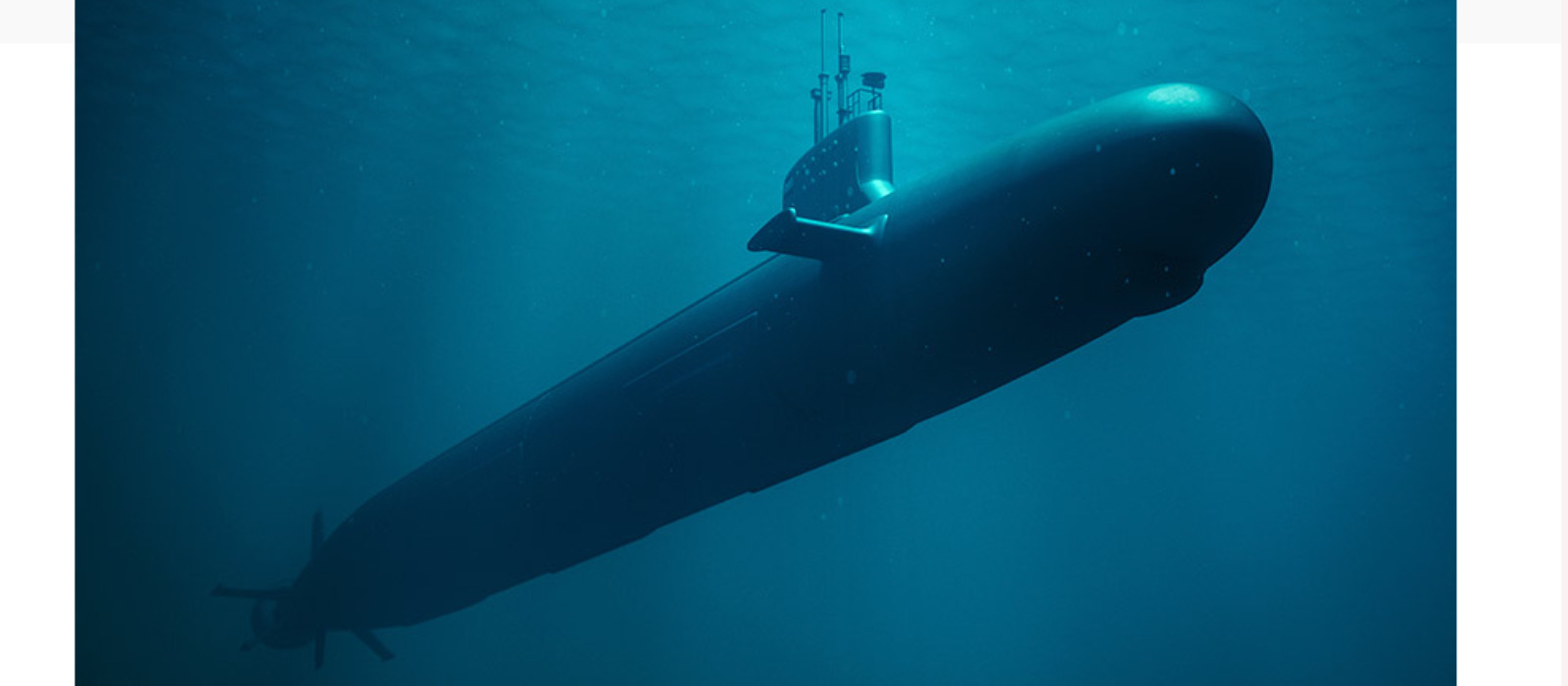
Fig 1: Representation of Nord Stream Pipeline Damage1 “When we talk about seabed warfare, always c...
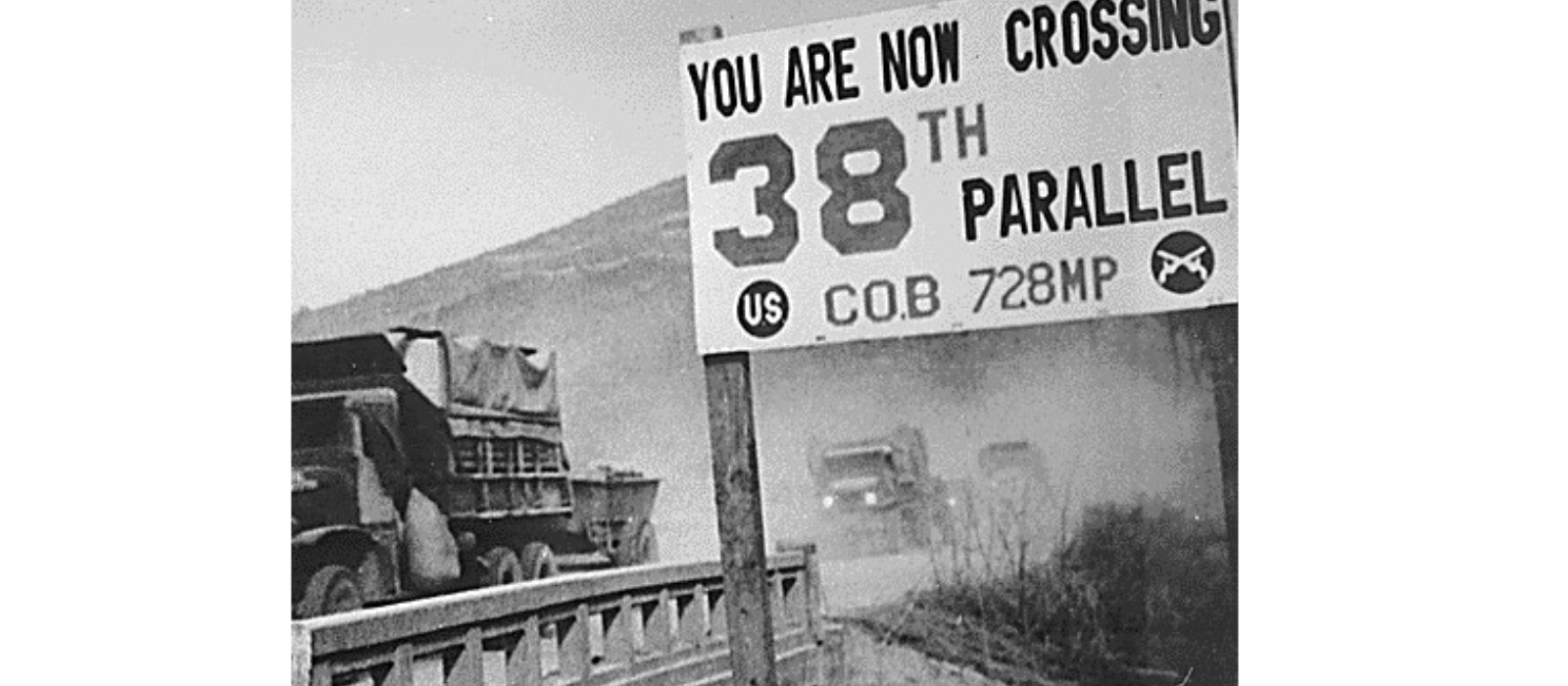
Abstract: This essay critically examines China’s strategic approaches during the Korean War (1950-...

Abstract: This article endeavours to critically examine the theory and practice of coercion in conte...

Abstract: Perception Management has emerged as a niche and sophisticated sphere of Strategic Communi...
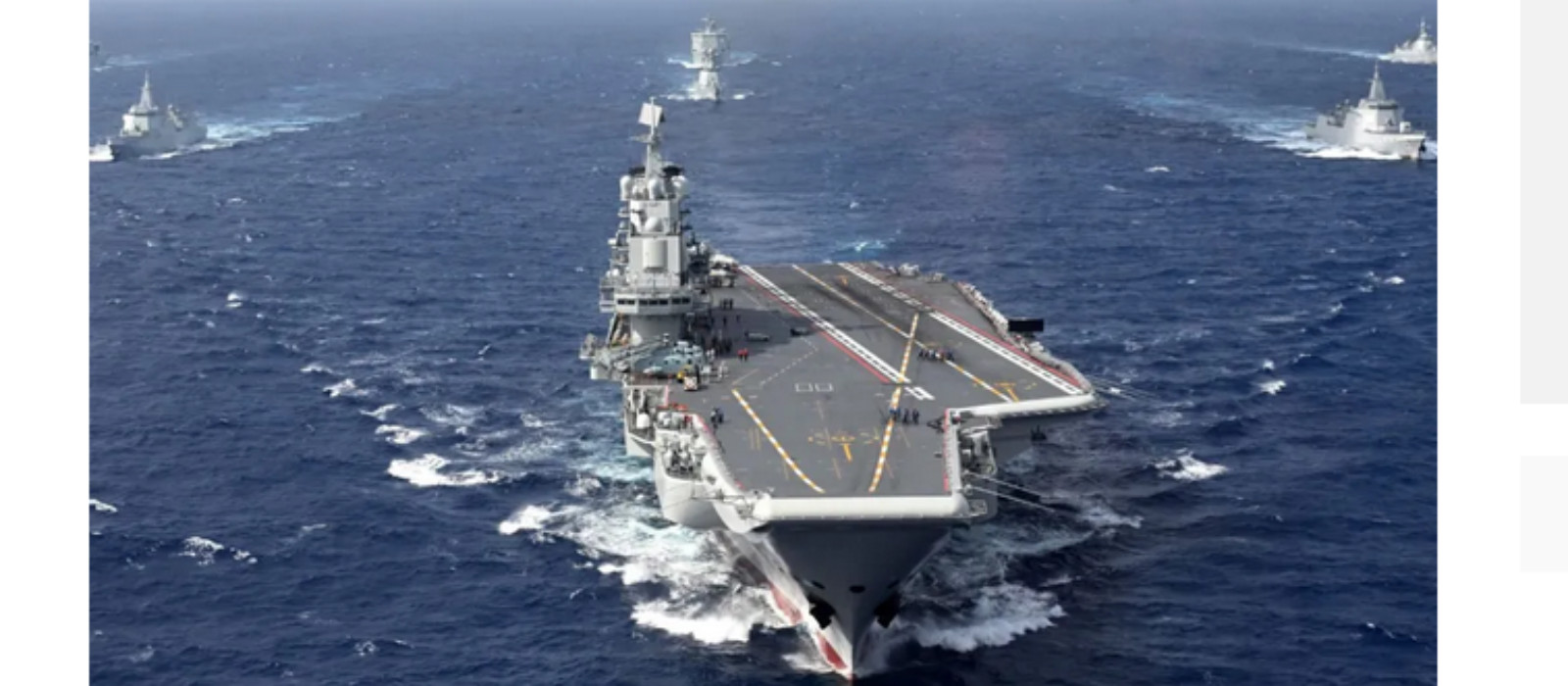
Abstract: China’s rapid expansion of aircraft carrier capabilities is reshaping the Indo-Pacific s...

“In the year 2054, the entire defence budget will purchase just one aircraft. This aircraft will h...

Abstract: The preceding and current parts of this paper (Parts 3/5 and 4/5) analyse the convergences...
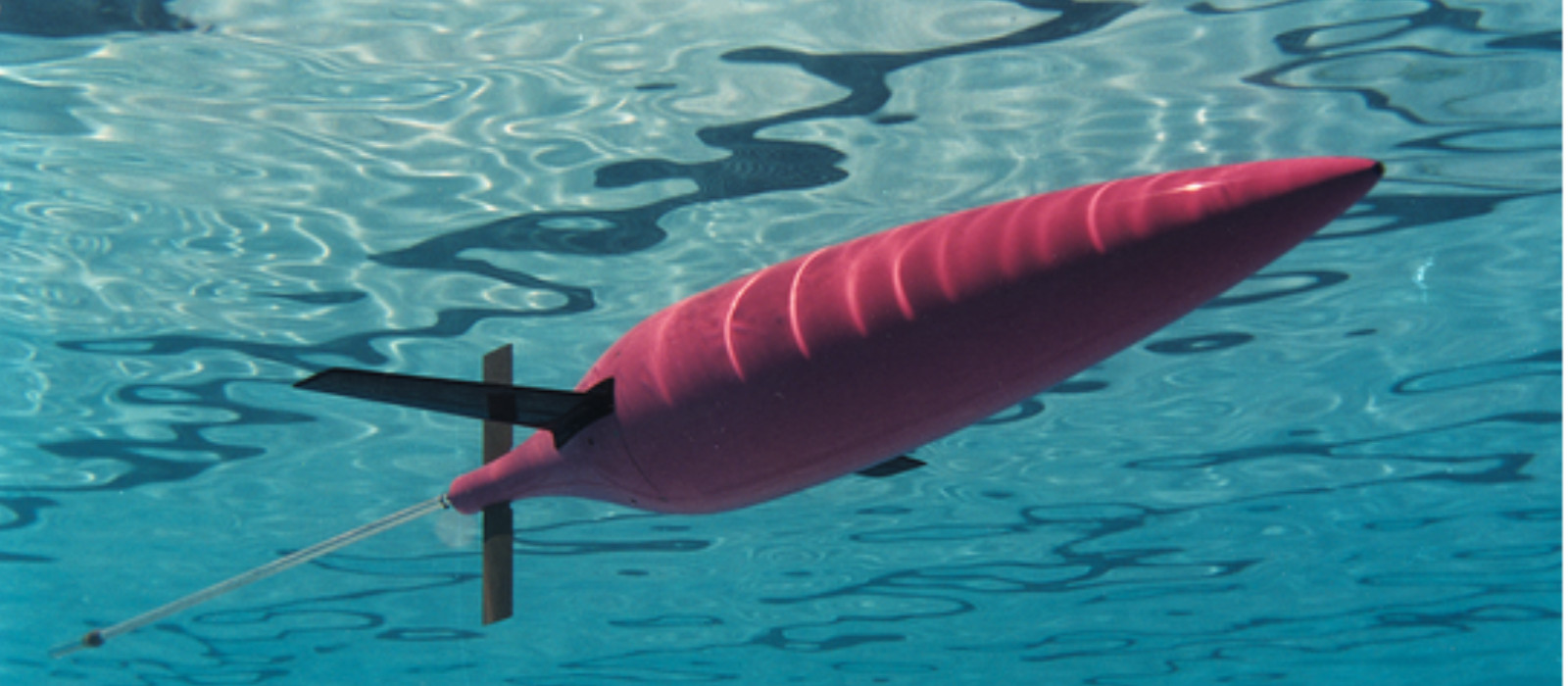
Abstract: The underwater domain is critical in shaping maritime dominance which directly influences...
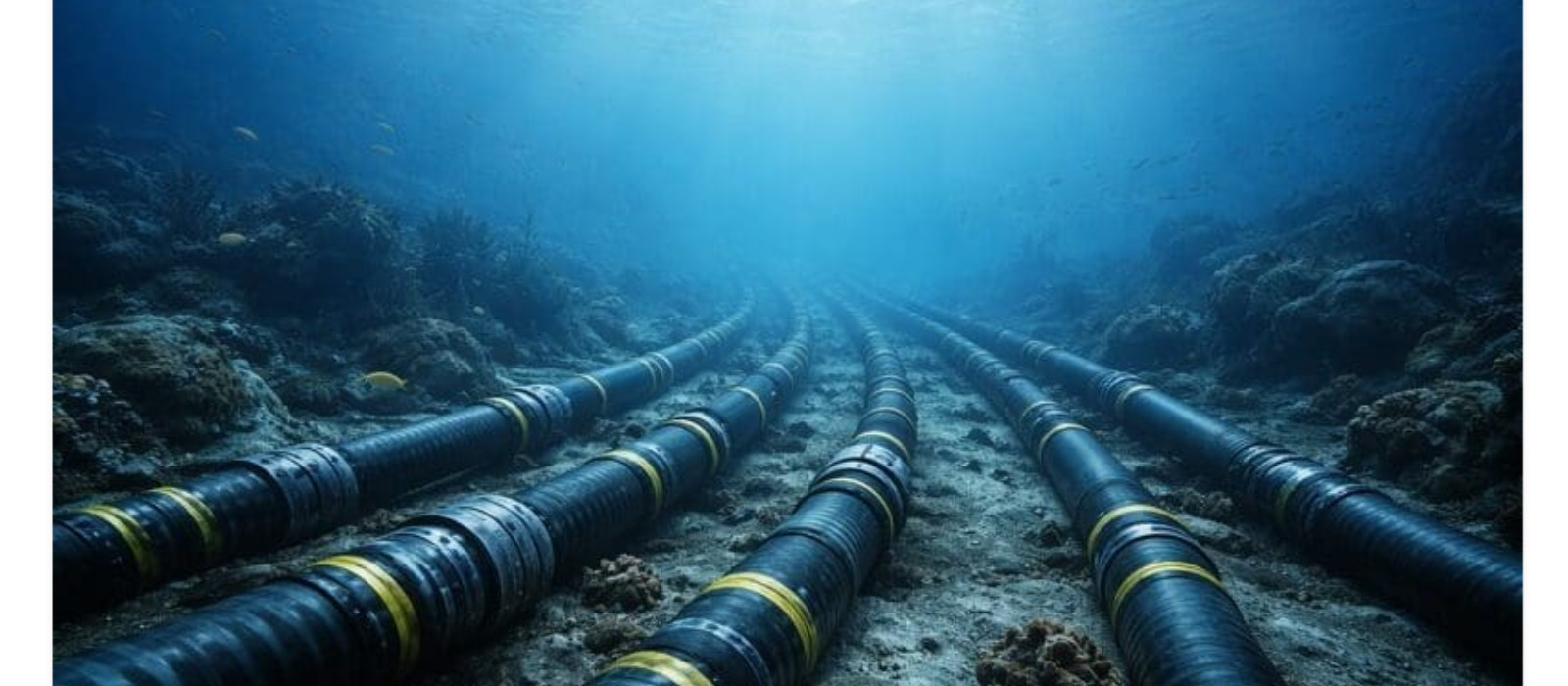
Abstract: The growing trend of undersea cable sabotage in recent years has emerged as a significant ...

Every naval officer carries a few memories from his training days that refuse to fade, moments that ...

Chokepoints – American Power in the Age of Economic Warfare Author: Edward Fishman Published by: P...

Shattered Lands: Five Partitions and the Making of Modern Asia Author: Sam Dalrymple Published by: F...