


Increasing Security Needs for Submarine Cables
Lt Cdr Abhishek Kesari's essay provides a good understanding of submarine telecommunication cables, ...
 C/O Naval War College, INS Mandovi, Verem, Goa, India. 403109

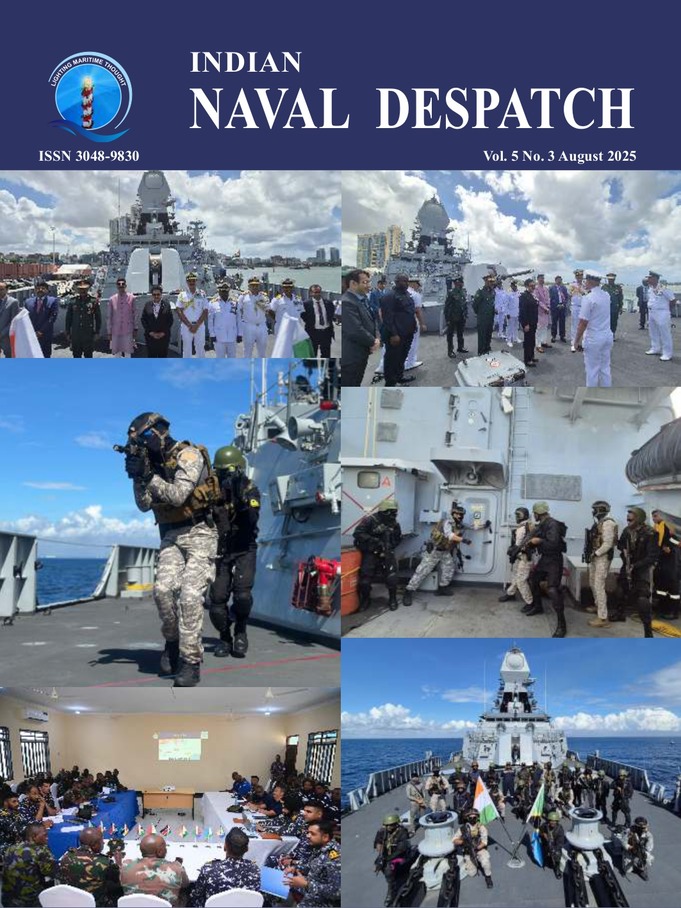


The Strands that Strengthen the Rope of Maritime Power: Warfare, Lawfare, Diplomacy Naval and Economic Communication Lines
The challenges—and opportunities, of course—of warfare at and from the sea have always been many. These span intense combat with peer or near peer adversaries; with much smaller or significantly larger opponents in conditions of asymmetry cutting both ways; in apparent peace as well as other constabulary and diplomatic effort in the reality of grey zones, and of course of understanding maritime law and lawfare. This issue offers something more to our readers to think about across the spectrum of statecraft and maritime strategy.
The lead essay in this edition is from an American contributor. Mr Trent Hone is an internationally renowned naval historian with books like Mastering the Art of Command: Admiral Chester W. Nimitz and Victory in the Pacific and Learning War: The Evolution of Fighting Doctrine in the U.S. Navy, 1898-1945, that figure among the several he has authored. He and yours truly met as speakers at the third and final Corbett@100 naval history and sea power conference at Newport, RI in May 2023. More recently, Mr Hone spoke virtually to the 37th Naval Higher Command Course at NWC, Goa, on Nimitz and the contemporary relevance of his leadership methods. It was also good of him to write a special essay for the Despatch. In, Roosevelt and his Fleet Commanders: E?ective Strategy Through Disciplined Civil-Military Relations, he examines the pre-war challenges President (FD) Roosevelt faced and how he selected, moved and got the best out of his “Admiralty” in World War 2. In the essay he examines FDR’s handling of the US Navy’s senior flag officers like Admirals Richardson, Harold Stark, King and Nimitz. Richardson’s political assessment in 1940 was that the relative danger to the US from Japan was lesser than from the European theatre. In tracing the circumstances of Richardson’s open disagreement with FDR and his eventual relief as the CINC US Fleet, the principle of civilian leadership laying down the policy (likely with the military’s consultation) then enjoined the armed forces’ leaders to develop the consequential strategic plans. A relatively junior Ernest King was appointed CINCLANT. Hone frames the essence thus: “Where Richardson felt an obligation to challenge civilian authority in the best interests of the nation, King recognised that his authority derived from his civilian superiors. Consequently, rather than point out flaws in policy, King resolved to be a faithful agent of policy.” He then traces the difficulties of operating in what some would now call the ‘grey zone’ of the Atlantic in the reality of German aggressiveness and the ongoing war with Britain. FDR had to balance a political stance of neutrality, but helping Britain and coping with tensions with Japan as well. Indian readers may well be thinking of the challenges from Pakistan and China. So, there is something of contemporary value in this elegantly written essay.
An important contemporary development (not including Operation Sindoor, the Indian response to the Pakistan supported terrorist attack in Pahalgam) is explained in an article by RAdm Nirbhay Bapna, The Africa-India Key Maritime Engagement (AIKEYME): Transforming Maritime Security in the Indian Ocean Region. Held in April 2025, this major exercise was co-hosted by the Tanzanian Defence Forces and the Indian Navy. Admiral Bapna, the ACNS for Foreign Cooperation and Intelligence, is the best person to write about this watershed event that would be a harbinger of further maritime security and development cooperation between India and the nation states of the African coasts. It was at once a high-profile, high-visibility event with political and senior military leadership from several nations and, perhaps even more noteworthy, the participation of the younger generation of seafarers guarding national as well as transnational interests to make the seas safer, secure and linked to everyone’s prosperity.
Another essay on the intersection of maritime security and diplomacy looks eastwards. In Overcoming Maritime Security Challenges Within ASEAN, VAdm G Ashok Kumar, who retired recently as the National Maritime Security Coordinator, reviews the complex challenges of ASEAN dynamics and how it nonetheless came up with a workable framework acceptable to all members. He offers in his conclusion something to think about: “…mutual suspicions, unresolved boundary issues, capacity constraints with a number of them, lack of clearly articulated deliverables by various forums, as well as a consensus-based approach of multilateral fora including member-nations that are geographically distant, have seen a number of major maritime issues being left untouched by ASEAN or have been less effective… however… it is common for collaborative maritime security operations to suffer from mutual suspicions between maritime neighbours and is not unique to ASEAN alone.”
Gwadar looms fairly large in international discourse for its potential military utility and the more “official” emphasis in Pakistan of its economic spin-offs under Beijing’s Belt and Road Initiative and as the “flagship” component of the China-Pakistan Economic Corridor. Group Captain Negi analyses several angles in his contribution, Is Gwadar Doomed to Fail? The port and the zone’s commercial viability, political and socio-economic domestic challenges as well the ups and downs of Chinese economy suggest that all may not be well and perhaps was not expected to be well. Yet, it might be its future importance for Chinese-Pakistani geostrategic purposes that requires many nations to monitor these developments carefully.
Cdr Gaurav Verma has researched wargaming in Naval Wargaming: Harnessing Digital Twins Technology for Enhanced Strategy and Decision-Making. He looks at “making digital twins of real-time models of ships, fleets, and operational scenarios, digital twins to enhance decision-making in wargaming.” Data are integrated from various sources to enable better decisions through better inputs for outcomes because environments may have become even more unpredictable and complex.
Two papers deal with lawfare and maritime law. Commodore Varghese Mathew offers an analysis and implications of the interesting—and as yet not very well appreciated—shift in strategy and tactics by China in Understanding Chinese ‘Four Sha’Claim in the South China Sea: Strategic Objectives Through New Subtlety. Only a few China watchers today realise that “The ‘Four Sha’ (i.e. four sands) doctrine attempts to reframe maritime entitlements by treating dispersed islands as unified archipelagic entities, an approach inconsistent with UNCLOS provisions” as he underscores in the abstract. The other essay is the third in the series from Captain Khurana, one of the foremost contemporary naval experts on international maritime law. In India and the International Laws of The Sea PART 3/5: Peacetime Military Issues and Navigational Freedoms, he looks at navigational freedoms of foreign military platforms in the maritime zones of India. He cites Chinese grey-zone activities in India’s littoral with implications for military security, and yet, an appropriate legal response to such activity presents a challenge for New Delhi. The elaboration of the US Navy’s practice of what it terms Freedom of Navigation Operations (FONOPS) is interesting. These issues are complex and legal-national interpretations and contradictions are something naval and coast guard practitioners always need to understand as they go about their tasks.
Readers may recall an article in the previous issue of the Despatch on Quantum Key Distribution and Post-Quantum Cryptography. We continue the exploration in this issue with Mr Atul Tripathi, in Quantum Leap: Revolutionising Naval Communications in the Digital Age. He also flags a few PLA breakthroughs in Quantum encrypted communications as well as what India and the IN should be working on.
We have yet another fine essay from Cmde Prashant Handu in this Despatch. He uses the framework of the prospect theory to offer some thoughts about Chinese leader Xi’s strategic behaviour. In Utility of Prospect Theory for Assessing China’s Grand Strategy under Xi Jinping, it may be worth quoting a few lines to share the essence of what he tries to analyse: “Through the lens of prospect theory, the essay argues that China is more likely to accommodate and avoid risks by de-escalating when operating in a domain of gains i.e. when they feel su?ciently strengthened in their ability to control events. Alternatively, when operating in a frame of losses, China is likely to take steps to escalate. A caveat here is an assumption that Xi Jinping plays the decisive role in choices that define China’s grand strategy. However, various countervailing forces such as domestic factors, bureaucratic hurdles, nationalism etc. may also play a role in choices.”
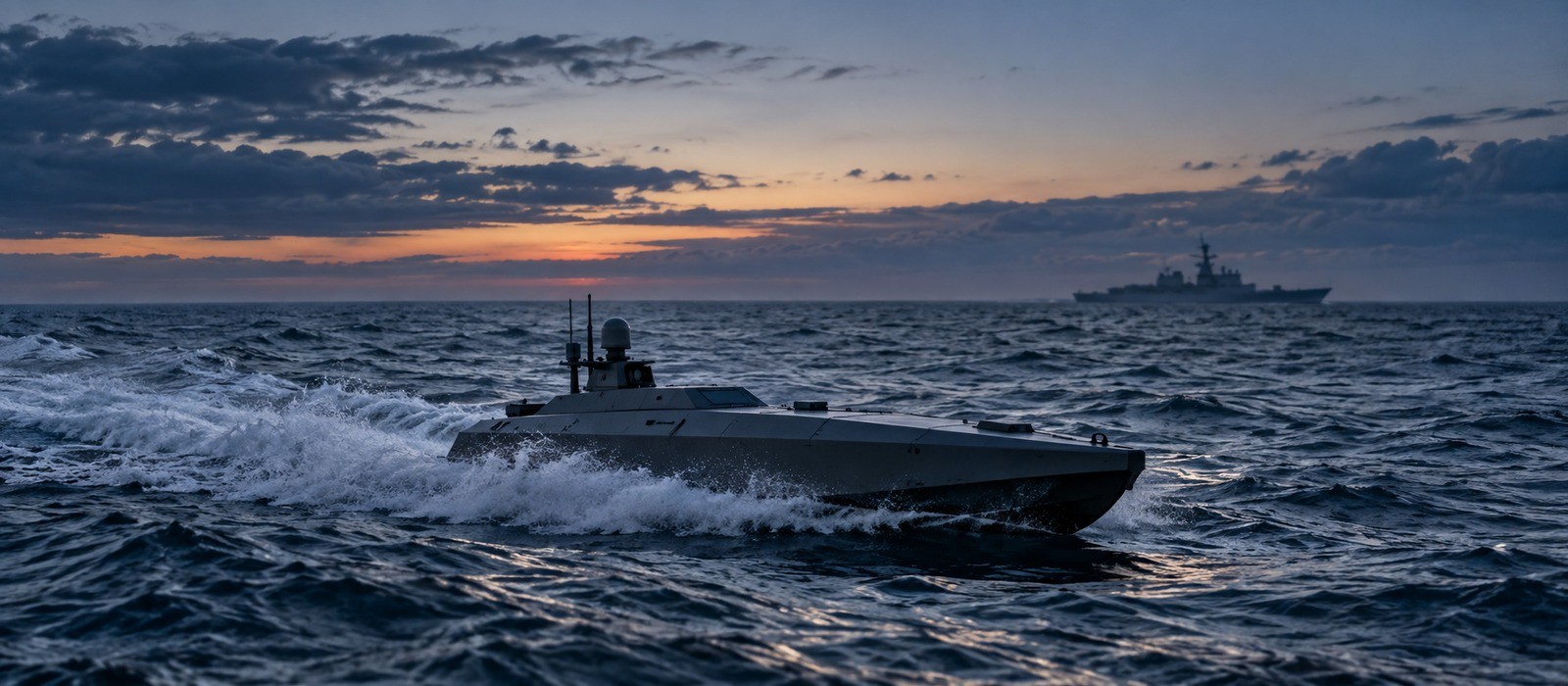
Explosive-laden Unmanned Surface Vehicles (E-USVs) are the subject of the contribution by Cdr Vivek Bhatt. In An Operational View on Unmanned Surface Vessels in O?ensive Roles, he examines the “state of play” of USVs and E-USVs in recent conflicts, lessons learnt from open domain analyses of some exercises and the potential and limitations as may exist in their offensive use as well as defensive measures against such vehicles. This is a good article on the need to bring together “people-ideas-things”, to slightly Colonel John Boyd sharp way of explaining the essence of winning or losing.
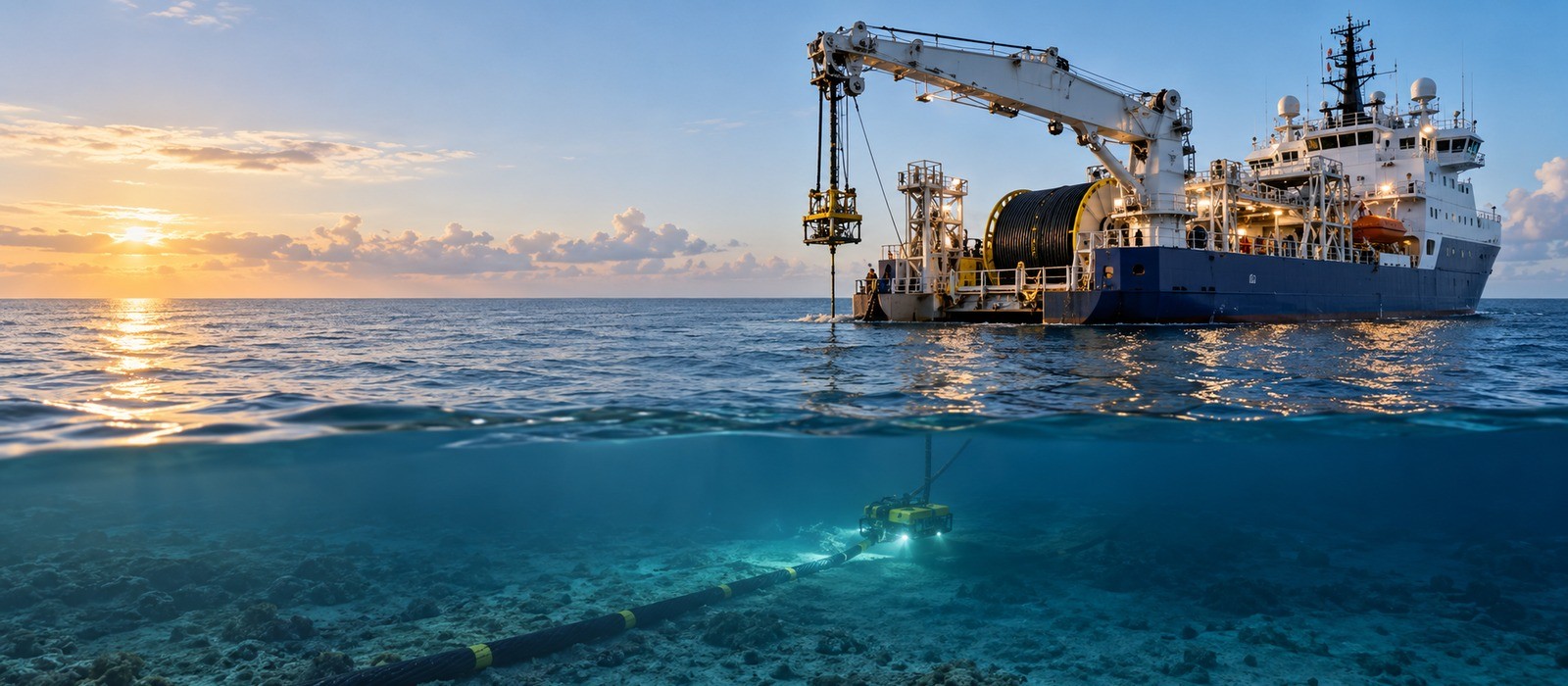
Underwater cables have been the subject of a few articles in this journal over the years. Captain Hemant Kandekar, author of Strategies for Repair and Maintenance of Cable Infrastructure, focuses on issues of their repairs and the effort and resources needed for it. By some accounts, India’s trade in services is growing fast while trade in goods—especially exports-- is almost stagnant. In fact, in FY 2024, services trade seems to have breached the fifty percent mark! Of note is that much of the services trade quite literally uses what we may see as digital sea lines of communications. India is a big user of digital cables but a late starter in the hardware and repair sectors. The essay offers useful perspectives.
The bows of this edition carry a Both Watches contribution from Captain Nitin Agarwala on the Increasing Need for Security of Submarine Cables. To reiterate to our readers, this section serves to add to what the article being commented upon has said; and offers contradictory perspectives and what else readers and future authors perhaps could think of. They could be anywhere between 400-1500 words of a critique that counters and advances thinking, while remaining respectful of the original author’s thoughts.
Happily, we have three book reviews; two are on books about China and one on military leadership. Admiral Arun Prakash, former CNS, who has rested his sword-- but luckily for us -- not rested his pen, reviews Maritime Power and China’s Grand Strategy, by VAdm Anil Chawla (Retd.). RAdm Arjun Dev Nair, the Commandant of the Naval War College, (which is the home of the Despatch) is a big supporter of this journal having authored an excellent essay some years ago while in a different job. He reviews The PLA in a Complex Security Environment: Preparing for High Winds and Choppy Waters, by Frohman and Rausch. The third review is from LCdr Aswin Lingamurthy of a recent book by AVM Arjun Subramaniam. The book, A Military Biography of Lieutenant General Rustom K. Nanavatty, offers glimpses of this well-known military leader, with a reputation for competence as well as very ethical conduct.
Unfortunately, we do not have anything in the Rogues’ Yarn space because we did not get pieces any to consider. To remind readers and potential contributors, this is a section to enable a light- hearted recounting of naval and military yarns but also conveying a lesson for what one should question, or further, or modify or even discontinue as a practice, in anywhere between 800 to 1500 words.
Full Sails!

Lt Cdr Abhishek Kesari's essay provides a good understanding of submarine telecommunication cables, ...
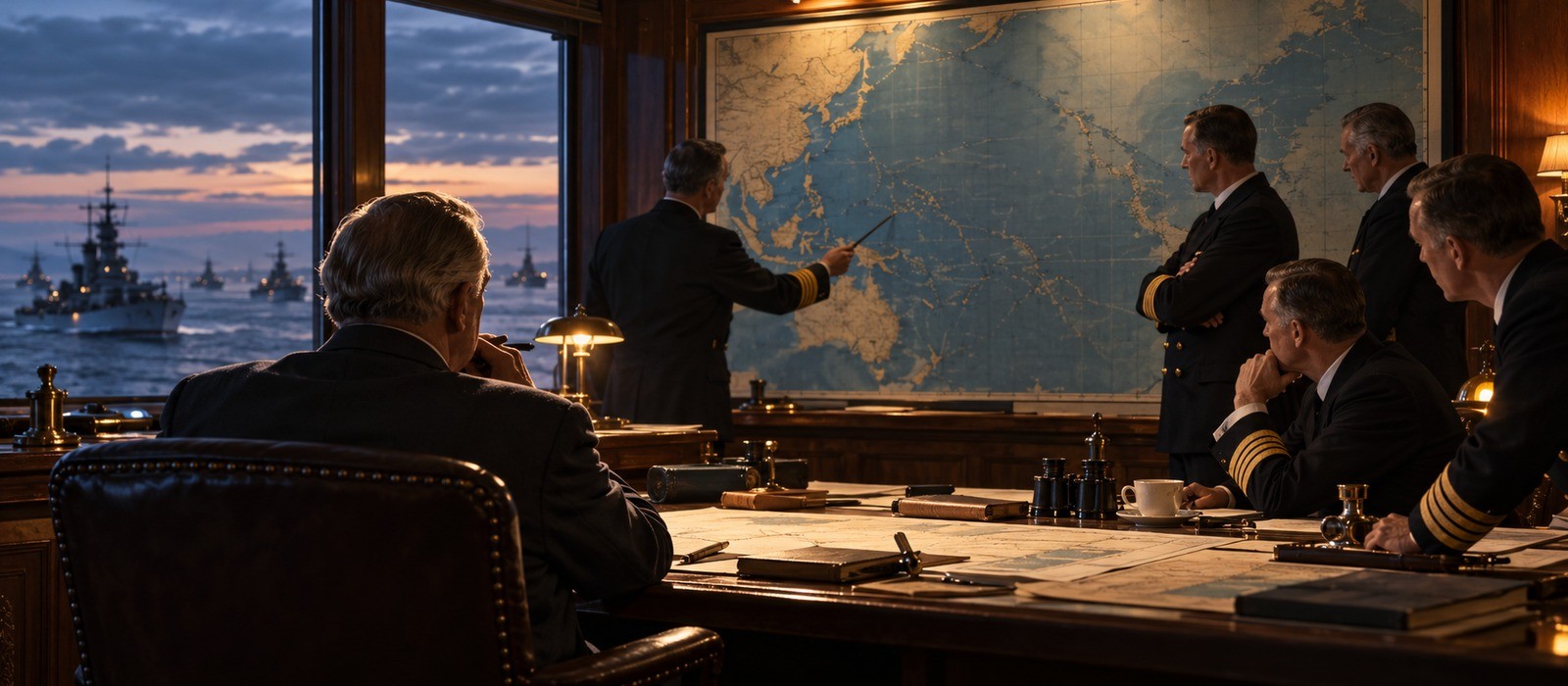
Abstract: Effective strategy requires bridging the gap between civilian authority and military decis...
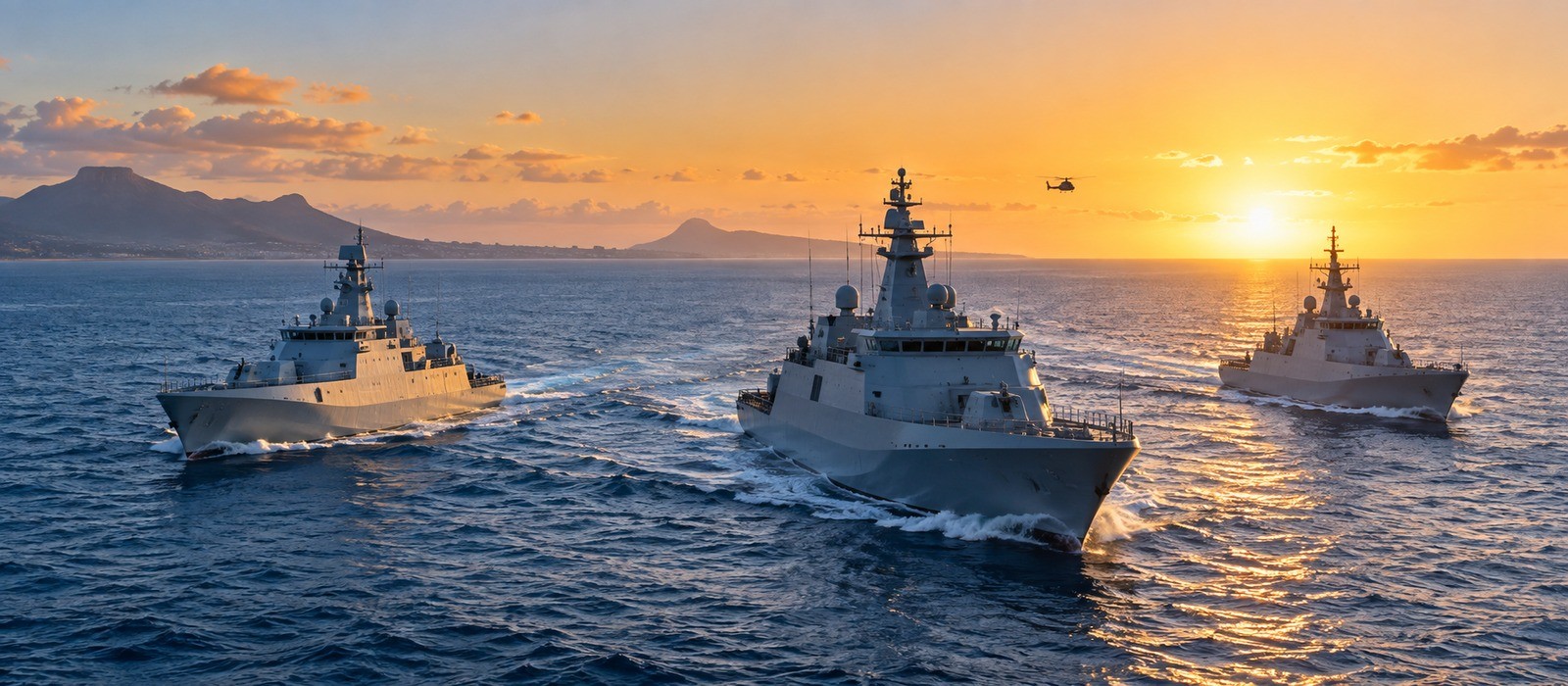
Abstract: The Africa-India Key Maritime Engagement (AIKEYME) initiative, launched in April 2025, rep...

Abstract: The shift in the global economic centre of gravity to the east; 80% of global trade being ...
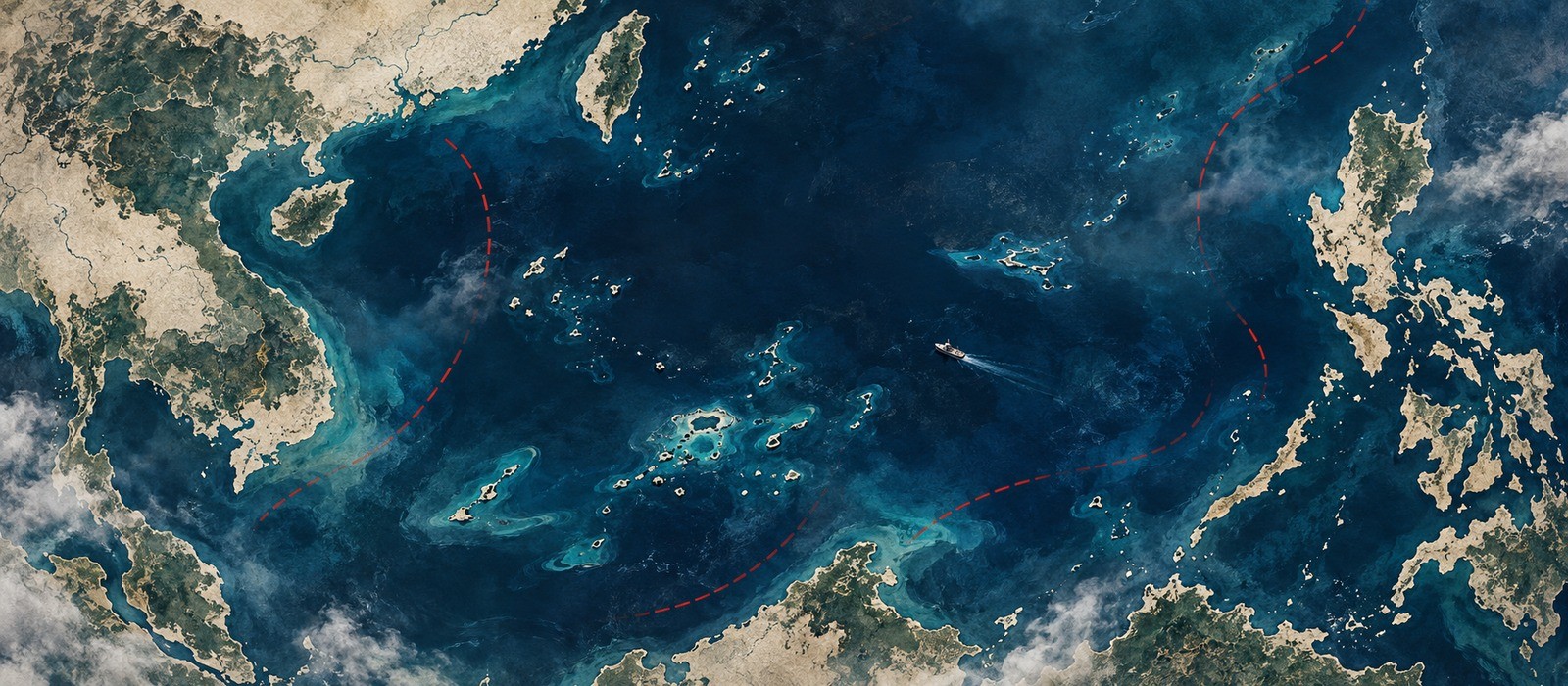
“A piece of paper that is destined to come to naught.”1 -Liu Zhenmin, China's Vice Foreign Minis...

Abstract: Xi Jinping, now nearing the end of his third term as President of China, has had immense i...

Abstract: Gwadar port, a flagship project of China's Belt and Road Initiative (BRI) and a cornerston...
Abstract: The two preceding parts of this paper (Parts 1/5 and 2/5) were published sequentially in t...
Abstract: Explosive-laden Unmanned Surface Vehicles (E-USVs) rapidly have emerged as a transformativ...
"India intends to invest in maintenance, repair and financing of undersea cables in the Indian Ocean...