

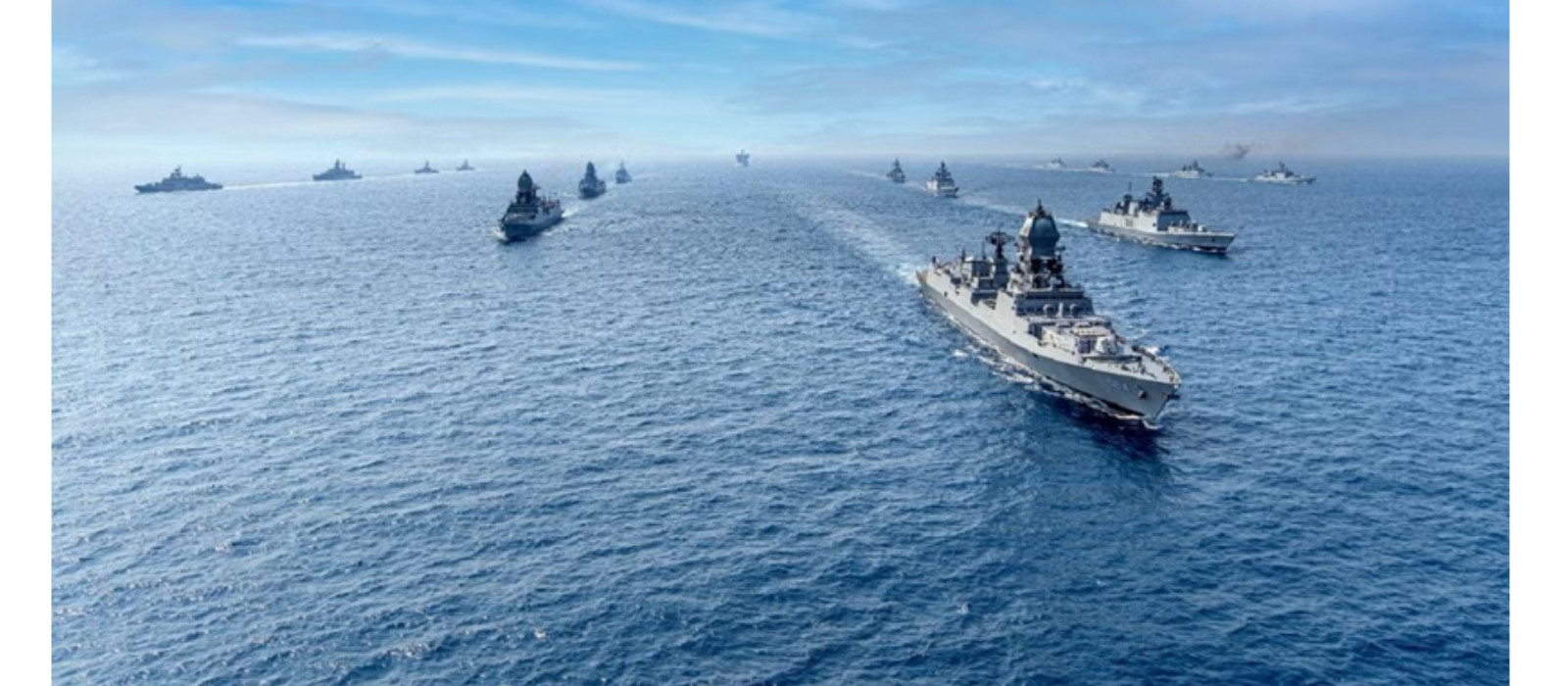
LIVING IN TRANSPARENT OCEANS – LOOKING BEYOND TECHNOLOGICAL SOLUTIONS
Indian Naval Despatch Spring 2024 - Vol. 5 No. 1 “Transparent Oceans – Implications for Naval Op...
 C/O Naval War College, INS Mandovi, Verem, Goa, India. 403109

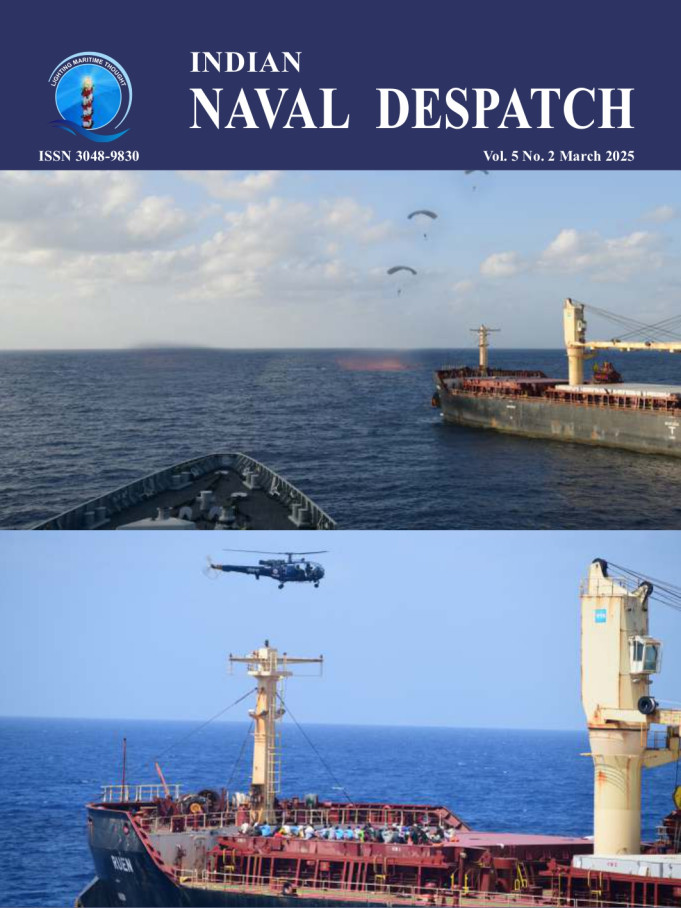


Robustness in Action, Reflections of History, and Thinking About Warfare that Lies Ahead
The Indian Navy for long has undertaken its duty of protection of maritime trade seriously. On different occasions, whether it was the MV Alondra Rainbow/ Mega Rama hijacking in 1999, counter-piracy patrolling in the Gulf of Aden for several years since 2008 or the very robust operations against other pirates west of the Lakshadweep Islands in 2010-2012, the Navy has delivered on its constabulary functions. In a recent speech, the CNS, Admiral Dinesh Tripathi underscored that, “Protecting maritime trade is not merely a matter of commerce—it is the cornerstone of global peace, economic prosperity and the preservation of communications lifelines in our connected world.”
China’s strides in what is termed Multi Domain Precision Warfare (MDPW) is being carefully studied by scholars and warriors in the past few years. Brigadier Anshuman Narang, a noted China scholar, comprehensively analyses the doctrinal underpinnings of what China is undertaking and looks at the reconnaissance- strike complexes they are working on. The way their overall domain awareness—with MDA being a subset—is being structured and improved, the ability to detect, track and strike is an area that needs careful watching. The author’s inferences on the way space-based detection and tracking and the integration of other sensors and consequent cueing is ensuring potentially effective Multi Domain Integrated Joint Operations (MDIJO) should be noted at all levels.
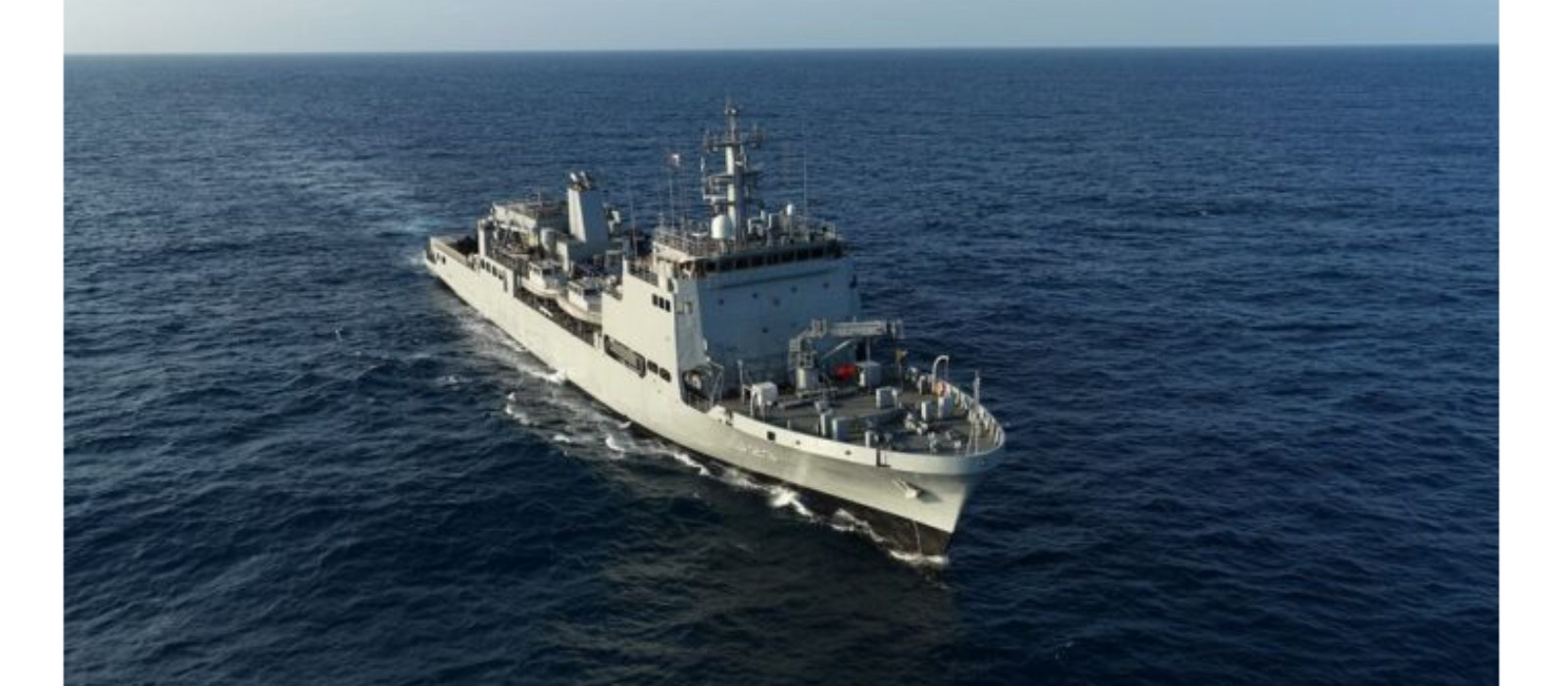
Commissioning a new ship isn’t very easy as many sailors know well. What if the ship is nearly five decades old, and has been in “mothballs” as such in a far-off country where winters are harsh and the Covid pandemic is impacting the world? This is precisely the challenge that Commander Nisala Munasinghe of the Sri Lanka Navy (SLN) writes about in “Acquisition of USCG Cutter (Ex- Munro) For Sri Lanka: A Firsthand Experience.” The ship was the second of such transfers from the US Coast Guard to the SLN and involved much joint effort in reactivating a ship, plugging leaks and faults in piping, coping with different branch organisations such as are in the USCG (and the USN). The steps his ship and he himself took to keep up crew morale in difficult times, the efforts towards stocking spares and preparing for a long voyage home are of much interest. The IN Despatch always welcomes international contributions since they add good value for all readers.
The Korean War, 1950-53, may be thought of as anything but contemporary. However, the value of history is seeing it as a repository of lessons and learning, of the value of parallels and the pitfall of templating. In a more specific, politico-legal sense, the war between the Koreas is still on, and Commodore Prashant Handu’s insightful interpretation of “China’s Strategic Approaches During The Korean War 1950-53,” is about Chinese strategic behaviour in that war. It considers their thought processes through the prism of the Prospect Theory to reflect on what should be applicable to our own times. North Korea, ruled by the same dynasty since inception— the “ Democratic” in is official name of DPRK notwithstanding—still is an inimical, nuclear armed neighbour of South Korea (ROK) and is still in partnership with the PRC.
Ms Antara Jha has contributed an article on “Naval Warfare's Digital Revolution: The Impact of Cyber Operations.” She argues that cyber warfare is becoming increasingly central to a range of naval activities, concerns and need for defensive measures. These are relevant for security of networks, undersea cables and require enhanced diplomacy and international cooperation as well.
Further on in this volume, Rear Admiral Raghuram, Captain Aditya Mallik and Lt Cdr Seth also look at “Securing Naval Networks: Quantum Key Distribution and Post-Quantum Cryptography.” The authors examine the current global stage of QKD and PQC and how they are likely to impact naval operations. They also address the strategic, operational and technical challenges of these developments on a navy and what the IN and the Services as a whole may need to adapt to jointly for resilient and secure networks.
If the lead essay looks at the constabulary role of our Navy, Lt Cdr Kumar Shaswat goes into the diplomatic tasks of hydrography that the IN has furthered for decades even when there were no formal terms or acronyms coined for our diplomatic role. The older term, “goodwill cruises,” or flag-showing were just that in his paper, “Charting as Diplomacy: Leveraging Hydrography as a Diplomatic Tool” he encapsulates the contribution that hydrography makes to human benefits like navigational safety, EEZ demarcation and helping blue economies of our partners across the IOR. Education and training in hydrographic work at different levels has also been a vital benefit to India’s diplomatic standing. Importantly, he suggests a few policy recommendations that could be noted. While principles of war and warfare as well as the nature of war remain essentially unchanged, the character of warfare reflects changes in technology and tactics. At all levels of warfare this could be encapsulated by the good work that sailor-scholars like Wayne Hughes of the USN described as the great constants and trends of naval tactics. As such, the fifth article in this edition that deals with changes in the character of warfare is by Rear Admiral Monty Khanna. In “What the Red Sea and Ukraine Suggest About Distributed Lethality,” an article originally published in the USNI Proceedings, he highlights the role of diverse shore-based assets that can be used against a fleet, notably against ships as well as the way in which fairly cheap launchers and platforms are brought into action. A small, now almost non-existent Ukrainian navy has kept a much larger Russian Navy at bay. Similarly, the Houthis have used shore-based ballistic missiles, some not very sophisticated, to good effect with drones in tandem. They are doing this to achieve their objective in sending a message by disrupting trade through the Suez Canal and the Red Sea very significantly. He also points to the potential threats of the PLA’s architecture, the range and estimated sophistication of their ASBMs and how distributed lethality is evolving in offence as well as defence. This editor feels that distributed lethality has for long been a constant of warfare in essence, and not only at sea. It is, as Admiral Khanna points out a versatile trend of using sensors, platforms, weapons in a variety of combinations both offensively as well as defensively. His suggestion that “defence is hard” (and often more expensive) is for serious reflection. He concludes with a thought on what impact might the changes have on force structuring: “A convenient response to difficult problems is to pretend they do not exist.” Something else to reflect upon?
Law and lawfare and war and warfare have a symbiotic relationship. Captain Khurana once again shares his deep understanding of Indian and IML in the second of a five-part series. This segment is Security/ Criminal Jurisdiction at Sea (The Emerging Convergences), whereas in the first he analysed the divergences as also throws more light on the convergences. In this paper he also looks at interpretations of “hot pursuit.” The Despatch does examine IML through various articles and the lead essay is but one important one, where the theory and practice of maritime law itself finds convergence at sea.
The final essay discussed here is Indian Space Reforms: Implications for Space Defence by Captain Ritesh Suri. Readers may recall an interesting perspective by him on the Mandala theory’s adaptation to geo-strategy in space in the Vol 4 No 3 issue of the Despatch which also had a useful counter argument by Colonel Lokchandar in the Both Watches section of the next issue. Here, the author takes readers through the considerable progress in the hundreds of start-ups and MSMEs working towards making India a more competent space-power with the private sector now effectively complementing the public sector. He looks at what needs to be done further; in a sense, that we cannot “rest on our oars” in space either. His proposal for the Services to have a seat at the higher and highest space bodies in India may be noted.
Having mentioned Both Watches, there are two commentaries at the fore-end. One is by RAdm Khanna, “Living in Transparent Oceans – Looking Beyond Technological Solutions,” in which he advances some very important issues raised by Cdr Rajiv Lochan in the previous issue where he looked at “Transparent Oceans – Implications for Naval Operations.” The second commentary, “Disorganising for Innovation,” is by yours truly and offers a counterargument to a couple of points made by RAdm Sadiq in the Despatch Vol. 4 No. 3 “Charting the Track towards an Atmanirbhar Navy by 2047.”
There are two book reviews. Mr Rama K. Rao, once again reviews for us (from the US) William Dalrymple’s recent offering, The Golden Road: How Ancient India Transformed the World. The second review is yet again by Cmde Himadri Bose, for World on the Brink - How America Can Beat China in the Race for the 21st Century, authored by Dmitri Alperovitch with Garrett M. Graff.
This edition is rounded off at the after end by an interesting Rogues’ Yarn by Commodore Srikant Kesnur. Leave Action Messing to The Ships humorously tackles the quite questionable purpose and methods of action messing in ships and how it may have taken a somewhat “purposeless” life. The accompanying cartoon by Captain Chatterjee should add to the smile. Having written about the British experience with action messing (more accurately, eating a meal in action or being ready for action) in 2013 that it did not work in action in the Falkands conflict, yours truly added a shorter yarn, Messing with Action! Forgetting First Principles, where I suggest a review of this complex, self-defeating evolution which requires some amount of empathy from an enemy that may not be forthcoming!
As we conclude this editorial I am also pleased to inform our readers that the INDeS has been allotted an ISSN number recently. This will add to our recognition as a peer reviewed journal and I thank Capt Sharath Dahiya of NWC for steering the case to its satisfactory conclusion. The board also expresses its sincere gratitude to him and Lt Aditi Gautam for their invaluable contributions to the Despatch. Their dedication and efforts have left a lasting impact, and we deeply appreciate their service. We look forward to their insights and leadership as we continue our journey forward. As always, we extend our appreciation to the Naval War College for its unwavering administrative support, and I take this opportunity to entreat our keen readers to stay engaged and to pick up your pen and help thousands of other readers to reflect upon your thoughtful provocations, analyses and commentaries. The pen has always helped keep the sword sharp. Think about this editorial’s tagline… Robustness in Action, Re?ections of History, and Thinking About Warfare that Lies Ahead.
Full Sails!

Indian Naval Despatch Spring 2024 - Vol. 5 No. 1 “Transparent Oceans – Implications for Naval Op...

‘Precision guided weapons will become the main means of attack’ - Chinese Science of Military St...
Abstract: The Indian Ocean Region (IOR) represents a dynamic and strategically vital maritime space,...
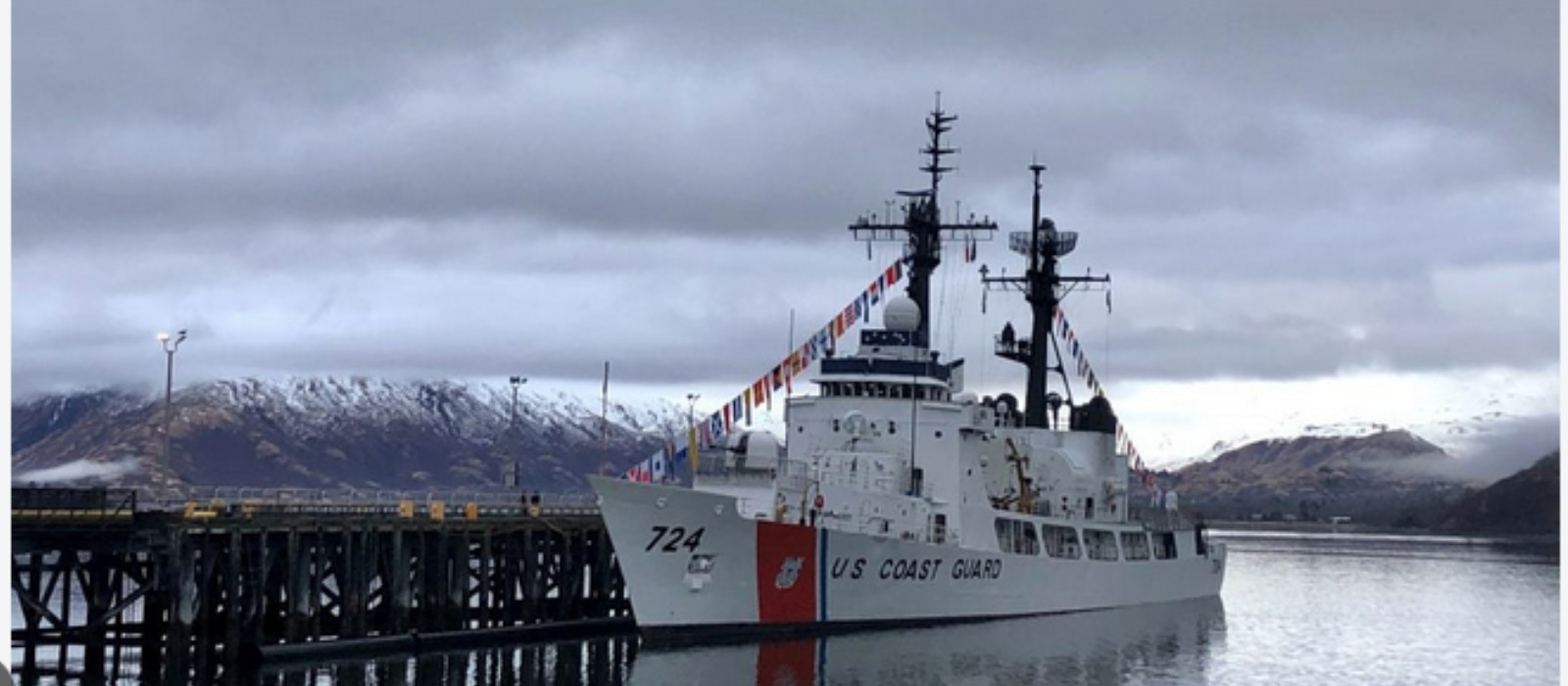
Abstract: This article provides an in-depth account of the acquisition and transition of the United ...
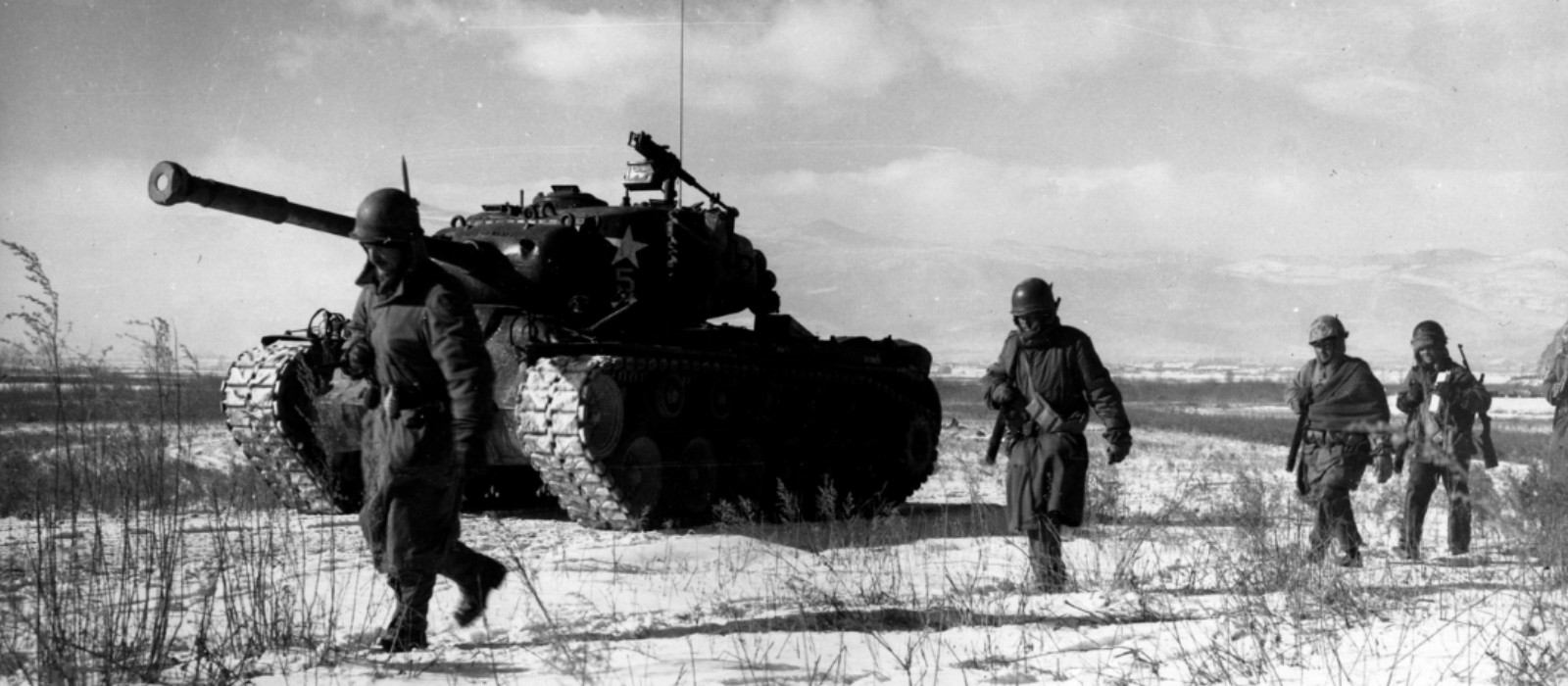
Editor’s Note: -This essay is the author's adaptation of a course paper written at the Royal Colle...
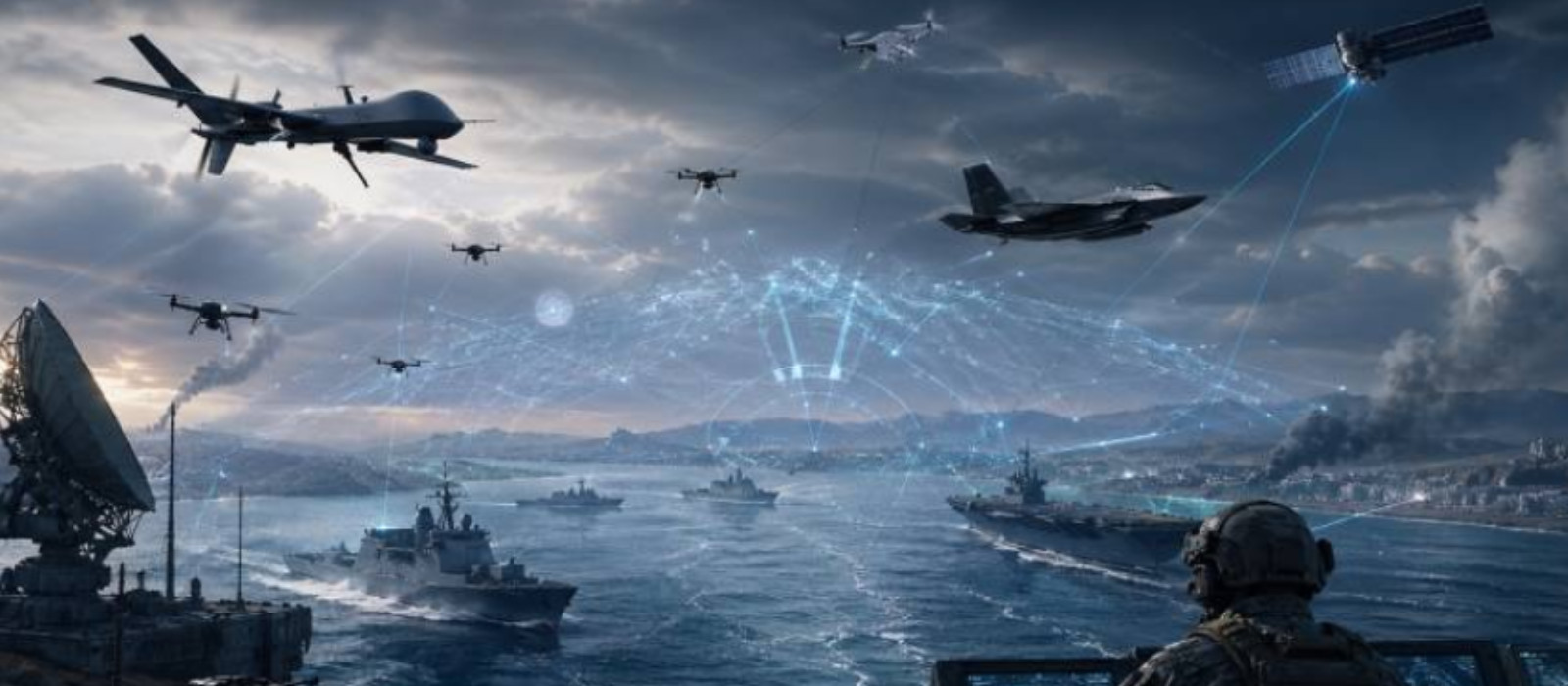
Abstract: The naval battlefield is evolving with the integration of cyber warfare into traditional m...
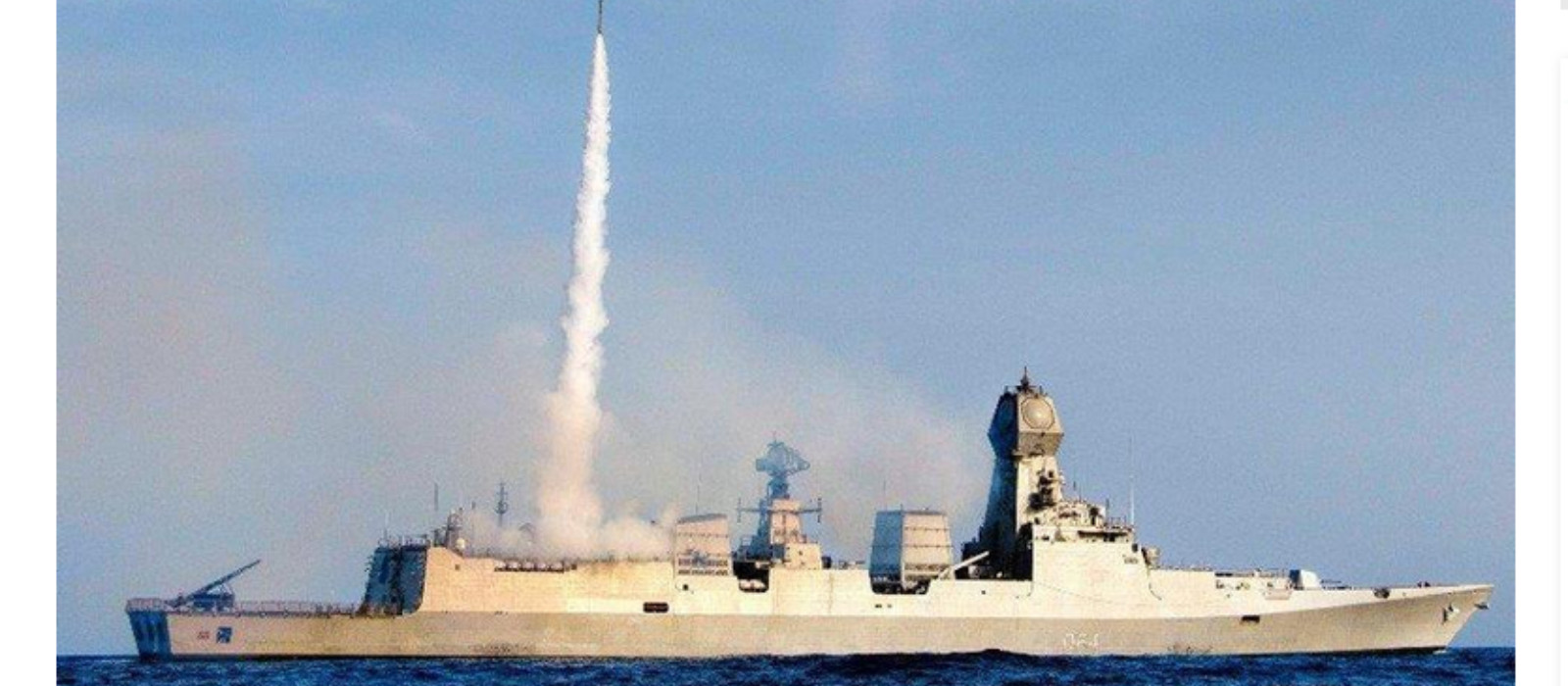
IN Despatch Editor’s Note: This article was originally published in the August 2024 USNI Proceedin...

Abstract: This part of the paper follows from its Part 1/5 carried in the preceding volume of the IN...
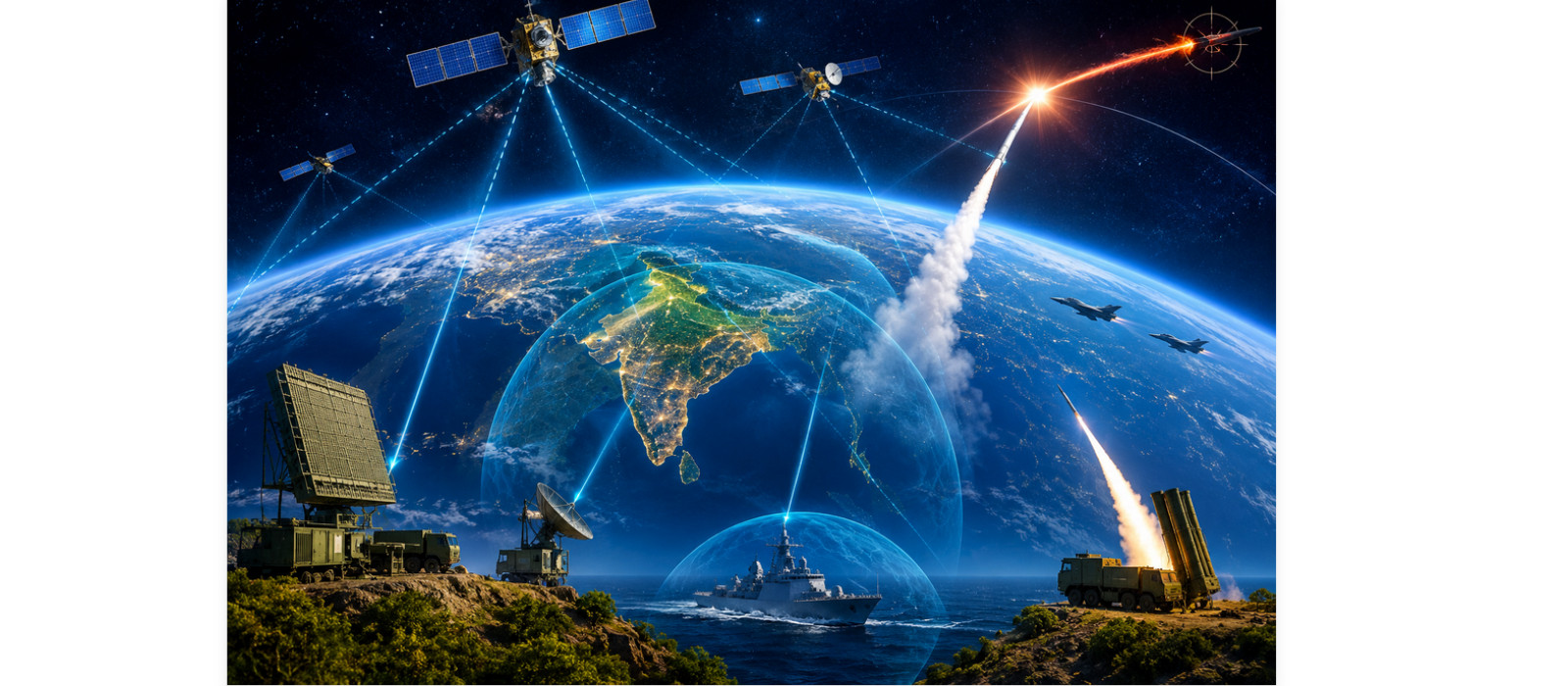
Abstract: Space reforms unfurled by India in 2020 have catapulted the indigenous space sector to hig...

Abstract: In an era where quantum computing is poised to revolutionise computational capabilities, t...
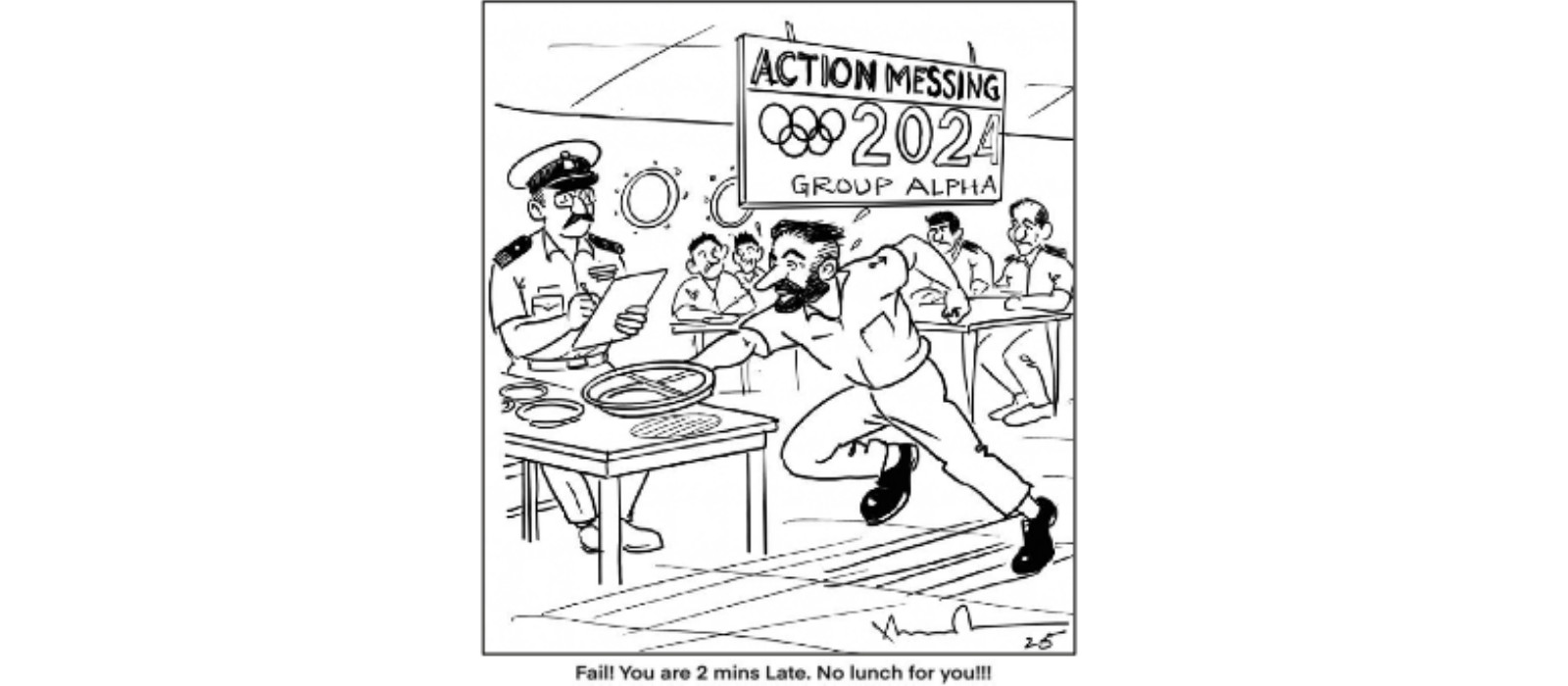
This piece is inspired by an article written by RAdm SY Shrikhande in an earlier issue of Naval Desp...
The thought-provoking contribution by Cmde Kesnur above, encouraged me to share some additional angl...