

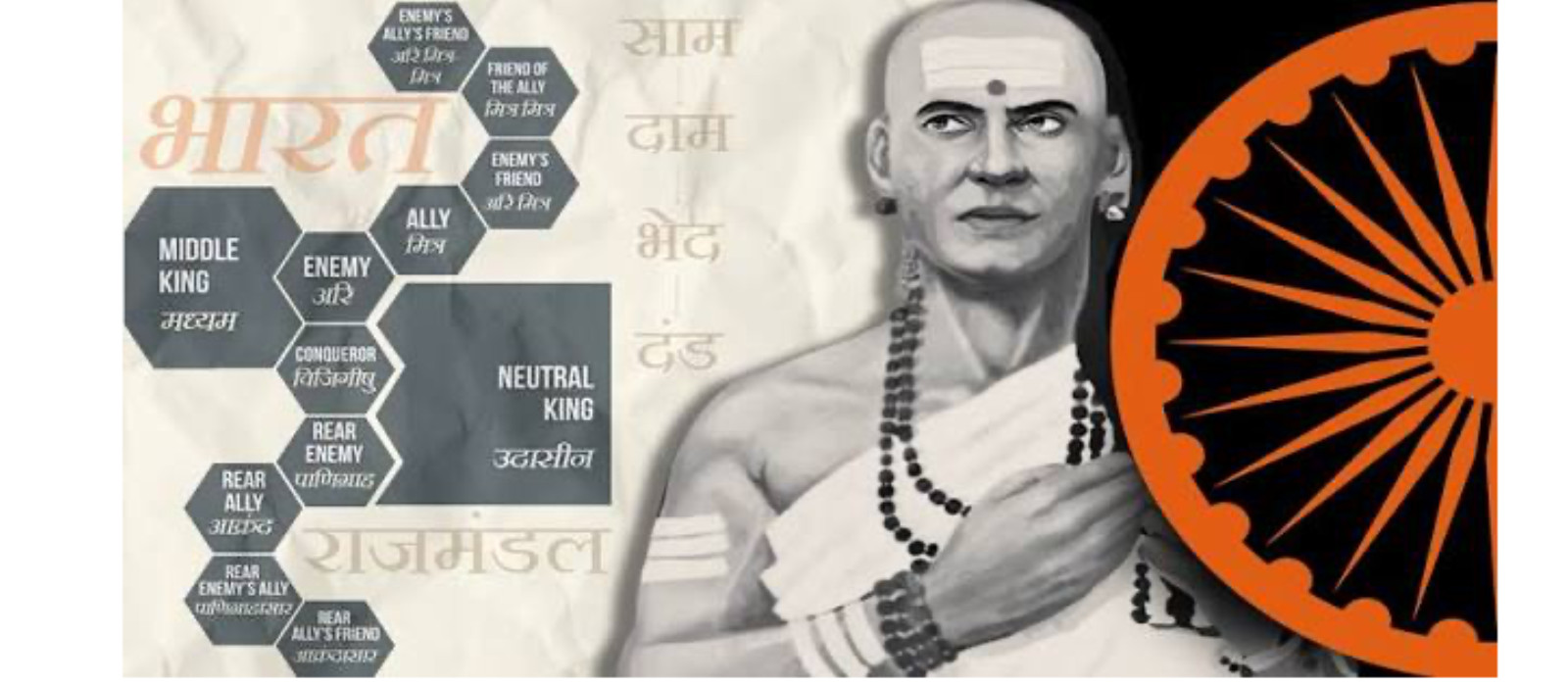
Rajamandala in orbit?
Indian Naval Despatch, Vol. 4 No. 3 (Winter 2023). “Leveraging Kautilya’s Arthasastra for Constr...
 C/O Naval War College, INS Mandovi, Verem, Goa, India. 403109

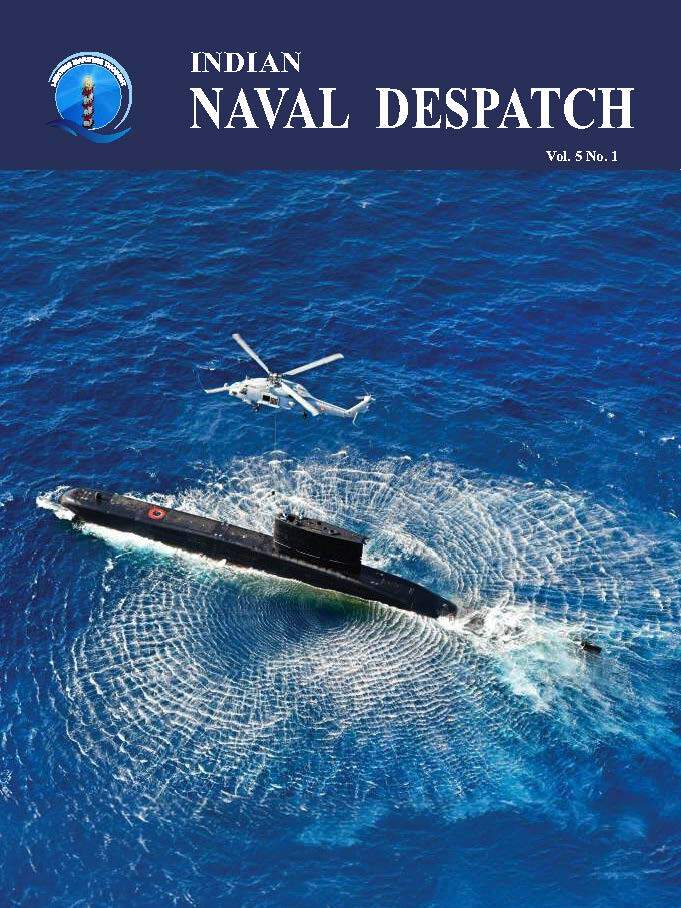


“For Want of Frigates!”: Domain Awareness, a relatively recent term, has long been a need in naval warfare and continues to be even more so
The author of this Volume’s lead essay is once again Commander Rajiv Lochan. In the Winter 2021 issue of the Despatch, (then) Lt Cdr Lochan had looked into ethical issues of “victory at all costs” from the viewpoint of a cadet and he as a divisional officer at the Naval Academy in his essay, An Appetising Wrong or an Insipid Right? In the issue you hold in your hands --or behold digitally -- he transitions into examining how “new frigates” in terms of satellites, manned and unmanned search and patrol aircraft backed by networks of information gathering and sharing as well as utilising AI could and are impacting on naval operations. Nelson’s proverbial telescope and the eyes in the crows’ nests of frigates as mentioned in the tag line, may now be mainly eyes in the sky keeping a lookout. His current contribution, Transparent Oceans - Implications for Naval Operations is important especially for naval leaders at all levels of warfare upwards from the tactical to the strategic to recognize the changes that impact operations. The author delves into the effectiveness of MDA in tracking fishing vessels to reduce unlawful and illegal fishing and the accuracy of near continuous monitoring and tracking of even small vessels of interest. That multiple sensors are increasingly fused across a variety of satellites, MPAs and UAVs and then bolstered by AI algorithms lead the author to suggest that “The sanctuary of stealth and anonymity provided by the oceans is receding rapidly.” While looking at some limitations of current scouting enablers, Lochan cautions that “Several assumptions on the ability of a fleet to operate undetected would presumably need to be questioned, and newer tactics would have to be developed.” One is tempted to refer to Geoffrey Wawro’s Foreword in a more recent edition of Norman Dixon’s book, On the Psychology of Military Incompetence, where he mentions that Liddel Hart’s post WW I submission in an essay contest on mechanisation lost out to an essay titled “Limitations of the Tank” in which one of the judges was a Field Marshal!
Another thoughtful offering from a former Experimental Test Pilot should be of great value and interest to all readers including at the policy levels. Cmde Jaideep “Mao” Maolankar, of the LCA (Navy) fame, helps us understand the mind of those of his tribe in Of Test Pilots and Their Little Understood Ways. His core argument is that TPs are critical and central to indigenisation efforts as well as in their other key roles. In his words, “Acceptance of this understanding, though contrary to what is commonly believed, clearly places test pilots at the heart of the aerospace vehicle design industry and any form of pathbreaking aerospace research.” Military aviation is still essentially nirbhar (dependence on imports) and not atmanirbhar and, of course, this needs to be changed. He ends his essay by asking some questions for the Navy to consider and find answers to. It is hoped that Maolankar’s and Lochan’s contributions generate further articles and commentaries in the Both Watches section.
Two articles deal with data. One, by Lt Cdr Abhishek Kesari in Growing Imperatives of Submarine Cables for India, is an analysis of several angles of submarine cables from our perspective. His paper is useful because of a brief recap of the history of telegraph cables, details of Indian companies presently involved, and the vulnerabilities of cables and tasks for the Indian Navy to protect these lines of communications. The role of offensive cable warfare by a navy began in the first few hours of WW I, when the Royal Navy cut two major cables that carried German traffic from the Baltic coast to other parts of the world via terminals and forwarding points in SE England. Another less-known fact was that much of the traffic over these telegraph cables was of banking services and control of shipping as well as German naval ships. Globalisation, networking and dangers of disruption of networks are by no means principally a new operational concept; but methods keep evolving. Captain Lejo Francis examines the role of AI in op planning. In AI and Big Data Analytics in Naval Op Planning, he uses analogies from stock market experiments; these markets are volatile and unpredictable. He has knowledge of this aspect in experiments he carried out to study if similar methods could be gainfully applied to op planning. Francis suggests some models that could fuse data from multiple sources and agencies and transform them into useful bases for op teams to use for final planning.
In our continuing effort to look at Indian maritime history, Colonel Amit Parolekar uses the Battle of Basrur in his essay titled The Use of Naval Power in Shivaji’s Era: The Battle of Basrur, in February 1665 as a backdrop of the methods the Maratha navy employed. This was, as such, the only naval battle— expeditionary warfare in a sense— which Chatrapati Shivaji himself led. Surprise as a principle of war that he often worked on was evident here and despite Portuguese strengths, this coastal and up-river raid yielded the Marathas much booty that was used to finance subsequent battles to expand as well as consolidate Shivaji’s empire.
Moving from the Western coast of India, Regional Security Architecture in BIMSTEC: Opportunities and Challenges, written by Brigadier Tewari and Colonel Thakur discusses contemporary Bay of Bengal rim countries. The authors look at the current state of play in this important formulation and urge policy makers in all countries but especially in our own, to bolster the frameworks that span economics, technical cooperation while recommending more cooperation in security verticals for mutual benefit of all member states.
Considering how important the Laws of the Sea are for the world, we continue to have another article from Captain Khurana because naval commanders benefit from being conversant with it in peace and in war. In this edition of the Despatch, he looks closely at India and the International Law of the Sea. In the process of building up to the case of MV Enrica Lexie, he begins with a good analysis of the circumstances in which the 1976 Maritime Zones of India Act became national law. Given that geopolitics has moved on since then and that India is now an increasingly important factor in global statecraft, he argues that nationally and internationally, the legal regime at sea needs some rethinking. The departures in our national and international law like the UNCLOS need to be reduced he suggests.
A couple of issues earlier, an author had examined what lessons did Brazil have to offer to India in our quest for greater self-reliance, or Atmanirbharta. In this edition, Cdr Gaurav Verma uses Turkey, a major arms developer and exporter, to see what could be pointers for us from what they are doing to make their presence felt in the arms- export market and how, within that examination are they using current conflict zones to their material advantage.
Building an Effective AI Ecosystem in India’s Armed Forces is the paper written by Rear Admiral Raghuram, Cdr Tiwari and Cdr Bhatia. They look at the current state of policies and agencies especially in the armed forces that impact wider adoption of AI; the steps that need to be taken for more coherence, efficiencies and operational effectiveness.
The Despatch continues to encourage critical comments on previous articles in the Both Watches section that forms the first few pages of every Volume. In this issue, Colonel Lokchandar adds as well as counters assertions on the applicability from India’s perspective of Kautilya’s thoughts on Rajmandala, applied in matters related to space strategy. Next, Dr Jabin Jacob gives some counter-points to an essay in a past issue that argued that Chinese supremo Xi Jinping was experiencing discontent from a few PLA leaders and that the Galwan event may have been precipitated by PLA generals against his wishes or directives. Finally, Lt Cdr Pandey furthers some angles of his own earlier paper and a subsequent comment in Both Watches that delve into legal aspects of maritime air operations.
The aft end of this issue as always has book reviews. Dr Sanjeev Chopra, a former IAS officer, and a well-known author and columnist himself, reviews the recent book by Utpal Kumar, Bharat Rising: Dharma, Democracy and Diplomacy. Colonel Dana Demer, an officer of the United States Marine Corps, currently on course at the National Defence College, New Delhi, reviews a book on jointness and offers a few international observations as well for readers to think about; the author of Indian Air Force and Integration of Indian Armed Forces is Gp Capt SP Singh. The third review is by Cdr Sandeep Asolkar (Retd.) of Dr Radhika Seshan’s interesting book, Empires of the Sea: A Human History of the Indian Ocean World.
In a humorous tilt to the preference for stock phrases, cliches and verbosity that more than a few naval and military officers tend to prefer, Capt Anshuman Chatterjee (also our sub-editor) seeks to set right some of this shiny baggage. His short piece, A Parade of Paradigm Shifts is accompanied by a delightful cartoon.
In ending this editorial, the board thanks Captain Himadri Das for his significant contribution to the Despatch and in laying part of the ground work for the IN Despatch Foundation while he was the at the Naval War College. He has recently moved to New Delhi to the National Security Council Secretariat where his expertise on coastal security would be very valuable. VMT, Himadri and fair winds!
A few words of welcome to Captain Sharath Dahiya who has relieved Himadri on reporting to NWC from a course at the Eisenhower School at the NDU, Washington DC. He will be assisted by Lt Aditi Gautam, who has been on the NWC staff for some time now. Our readers may not all know that the role the College plays as the “mother ship” of the INDES is absolutely vital to its visibility, growth and production.
We are into our fourth year and I may reiterate yet again that the Despatch is the boat of naval, military and strategic thought for its authors and readers to rock to everyone’s benefit.
Full Sails!

Indian Naval Despatch, Vol. 4 No. 3 (Winter 2023). “Leveraging Kautilya’s Arthasastra for Constr...
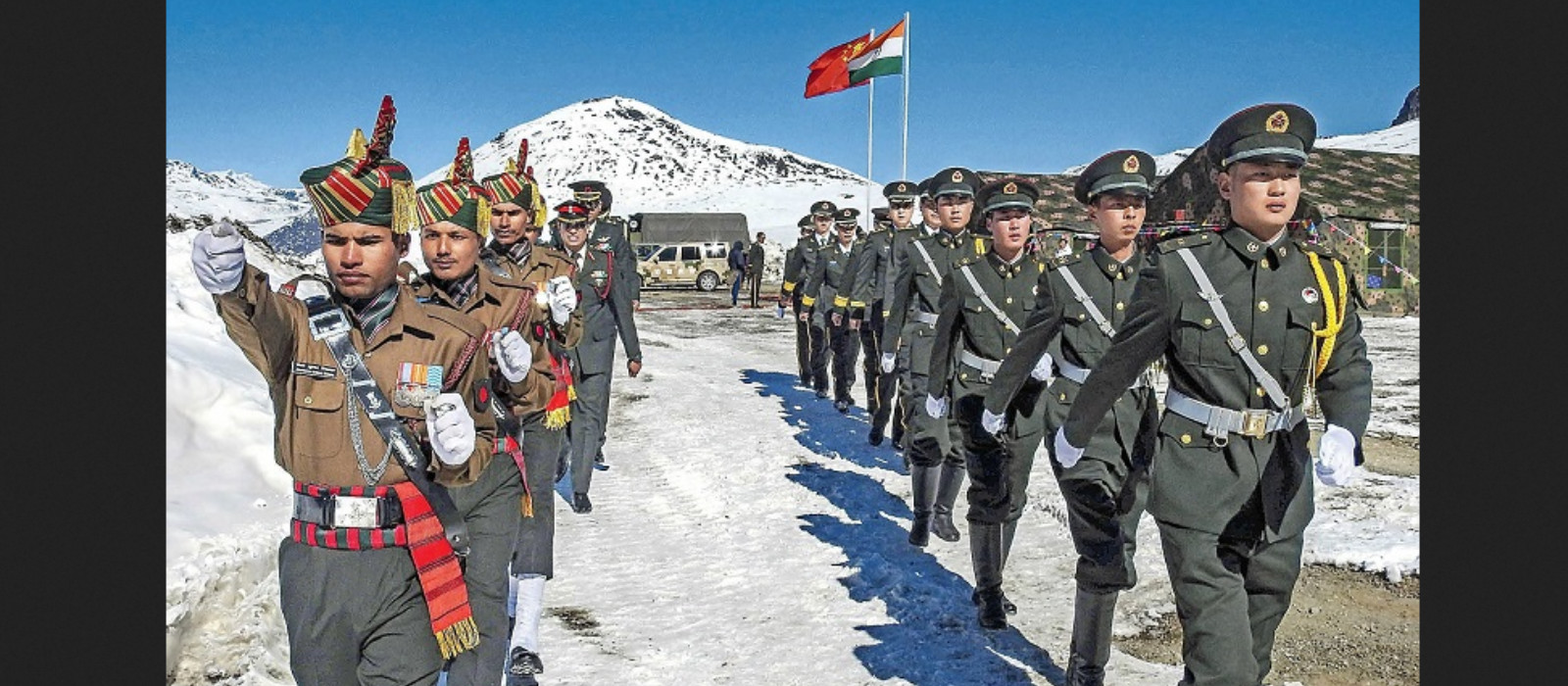
Indian Naval Despatch, Vol. 4 No. 2 – ‘The Escalating Confrontation over India between President...
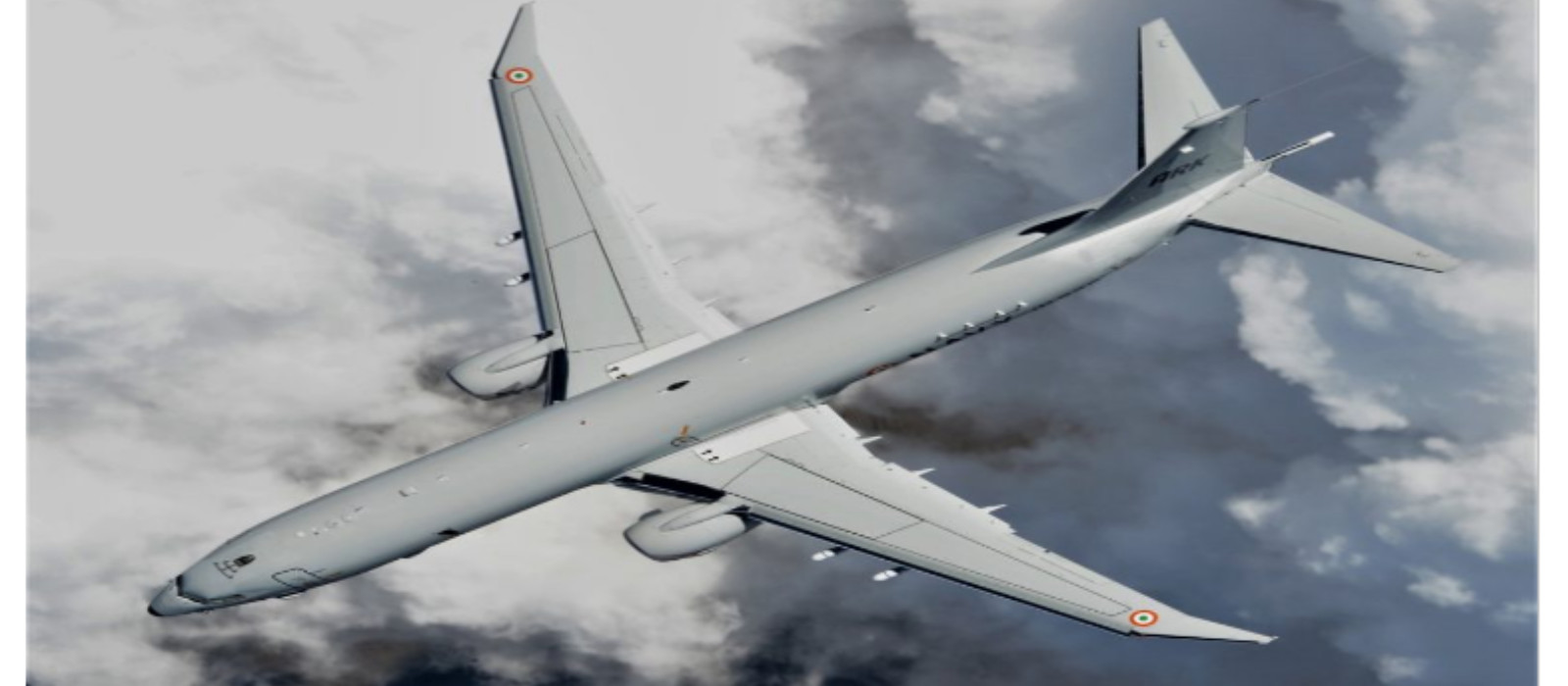
Indian Naval Despatch Monsoon Edition, Vol. 4 No. 2, “Rules-Based Maritime Air Order”1 by RAdm S...
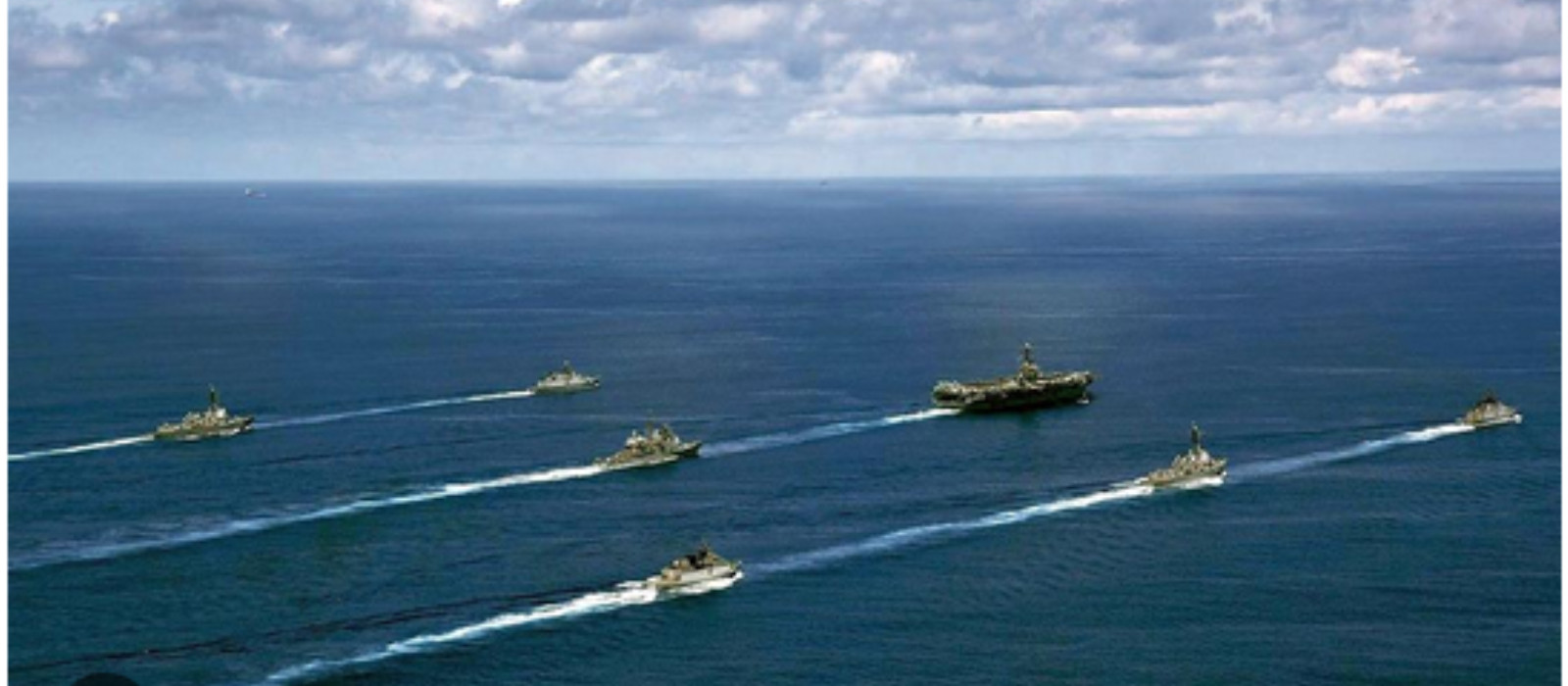
Abstract: Rapid advancements in satellite technology, artificial intelligence, and machine learning ...
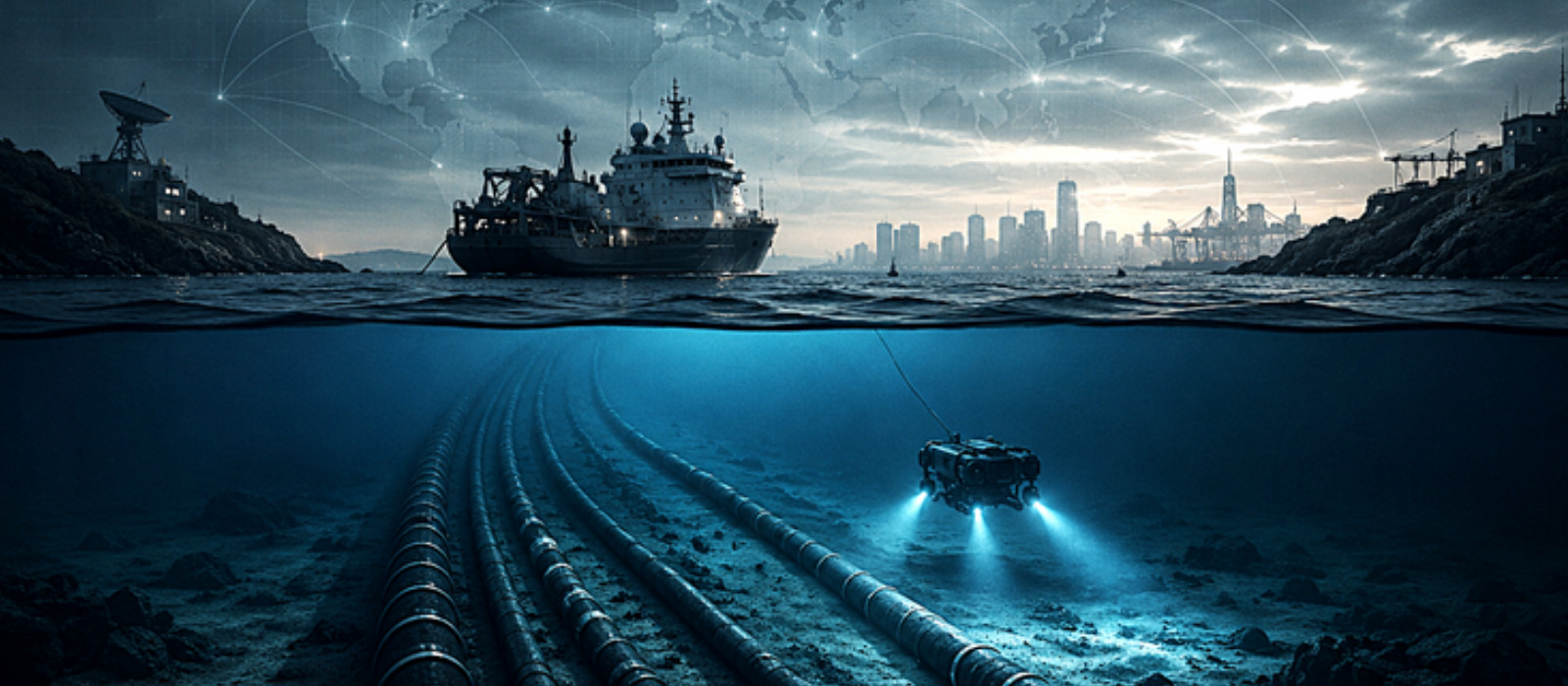
Abstract: Undersea communication cables, submerged along sea and ocean beds, form the silent arterie...
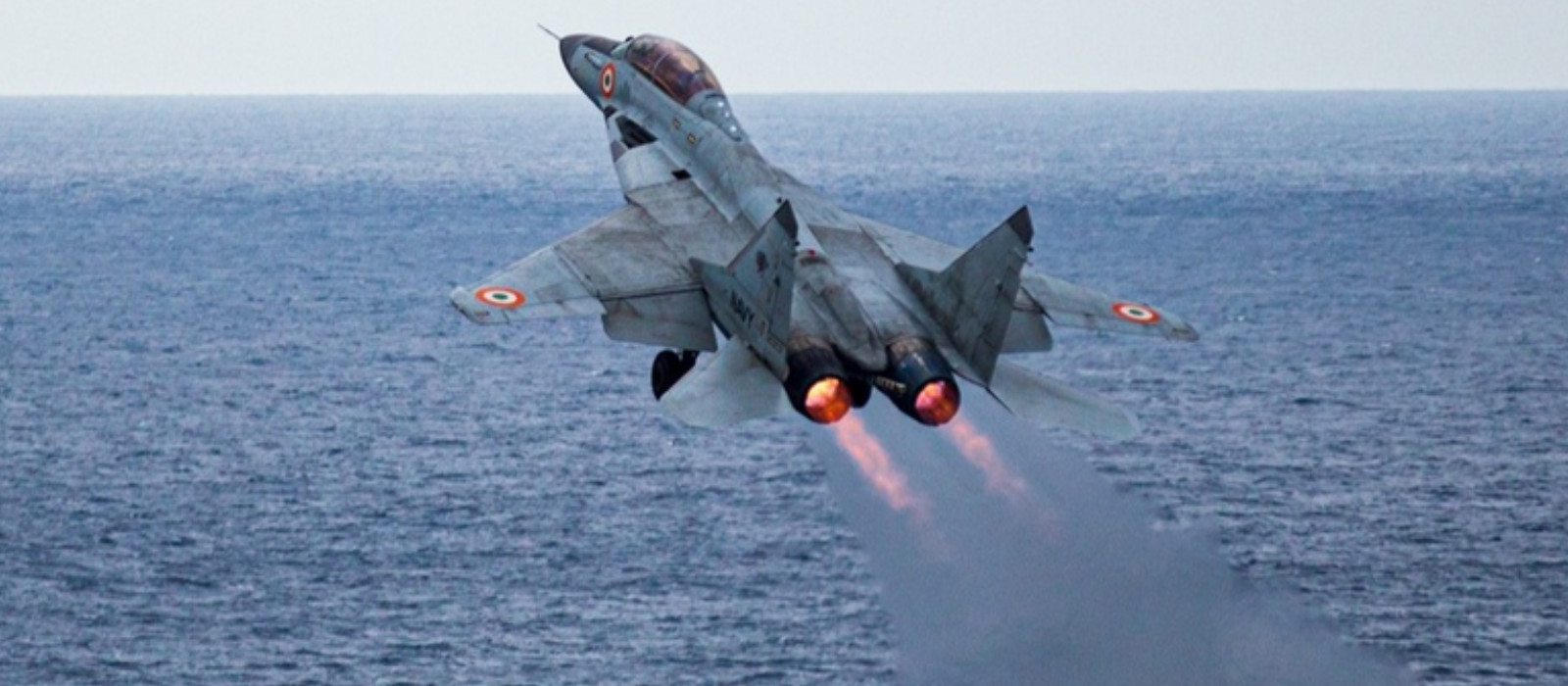
TEST PILOT Ten thousand grand for a dozen g's And no one can take a thirteen of these And all I do f...
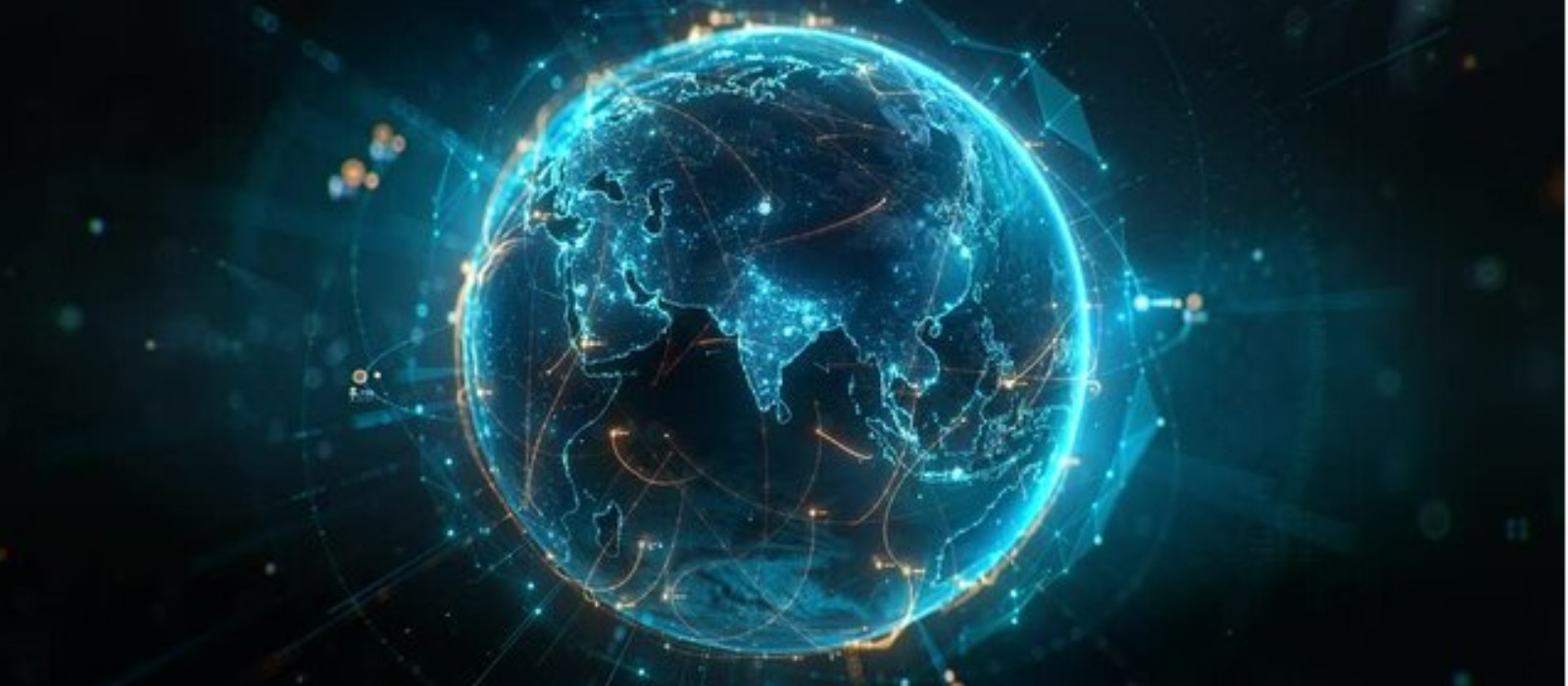
Abstract: The Bay of Bengal Bay of Bengal Initiative for Multi-Sectoral Technical and Economic Coope...
Abstract: As India takes to the centre-stage of geopolitics in the maritime-configured Indo-Pacific ...
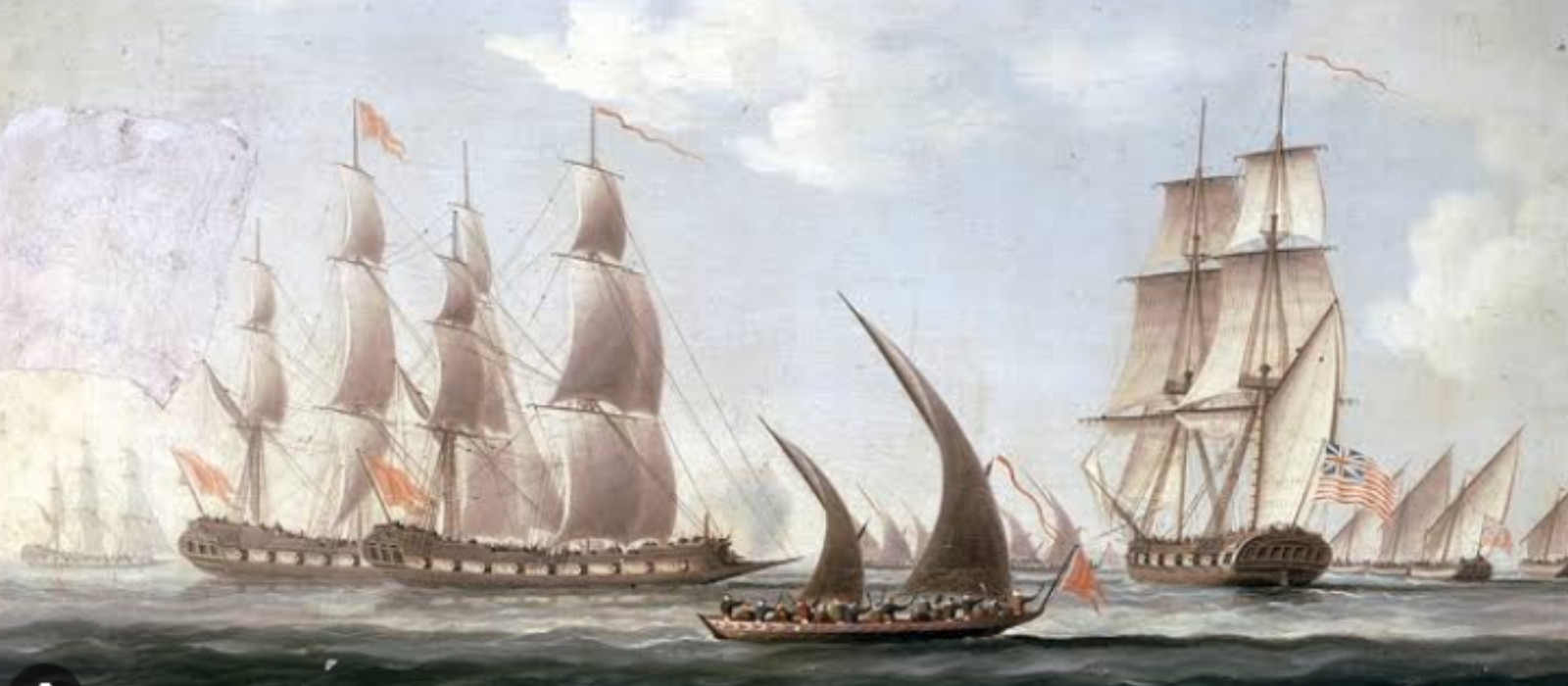
Abstract: This article explores one of the often-overlooked maritime triumphs of Chhatrapati Shivaji...
Abstract:This paper dissects the remarkable ascension of Turkiye as a prominent player in the intern...
Abstract: Advanced navies, including the Indian Navy (IN), have adopted the Naval Operational Planni...
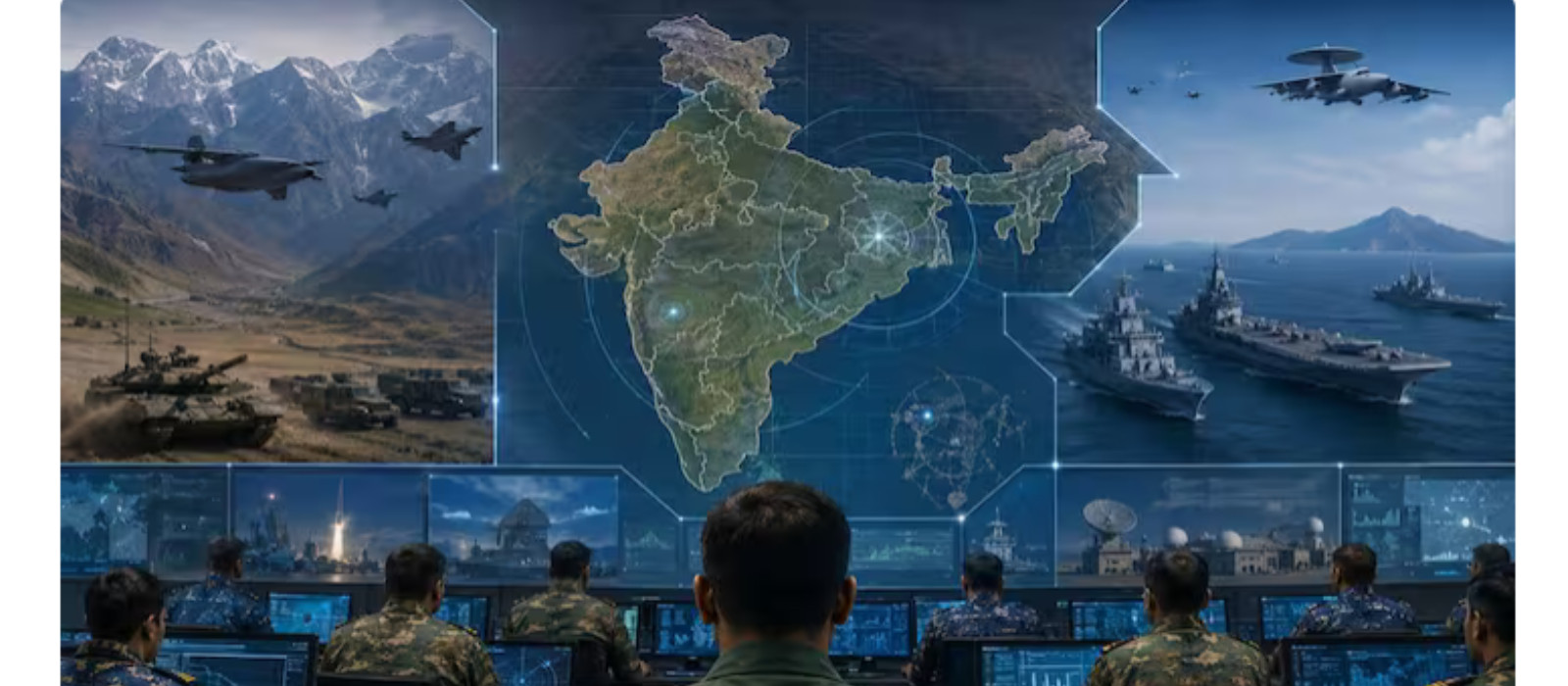
“Some of our leaders want to build a wall against the hurricane…my argument is that you have to ...
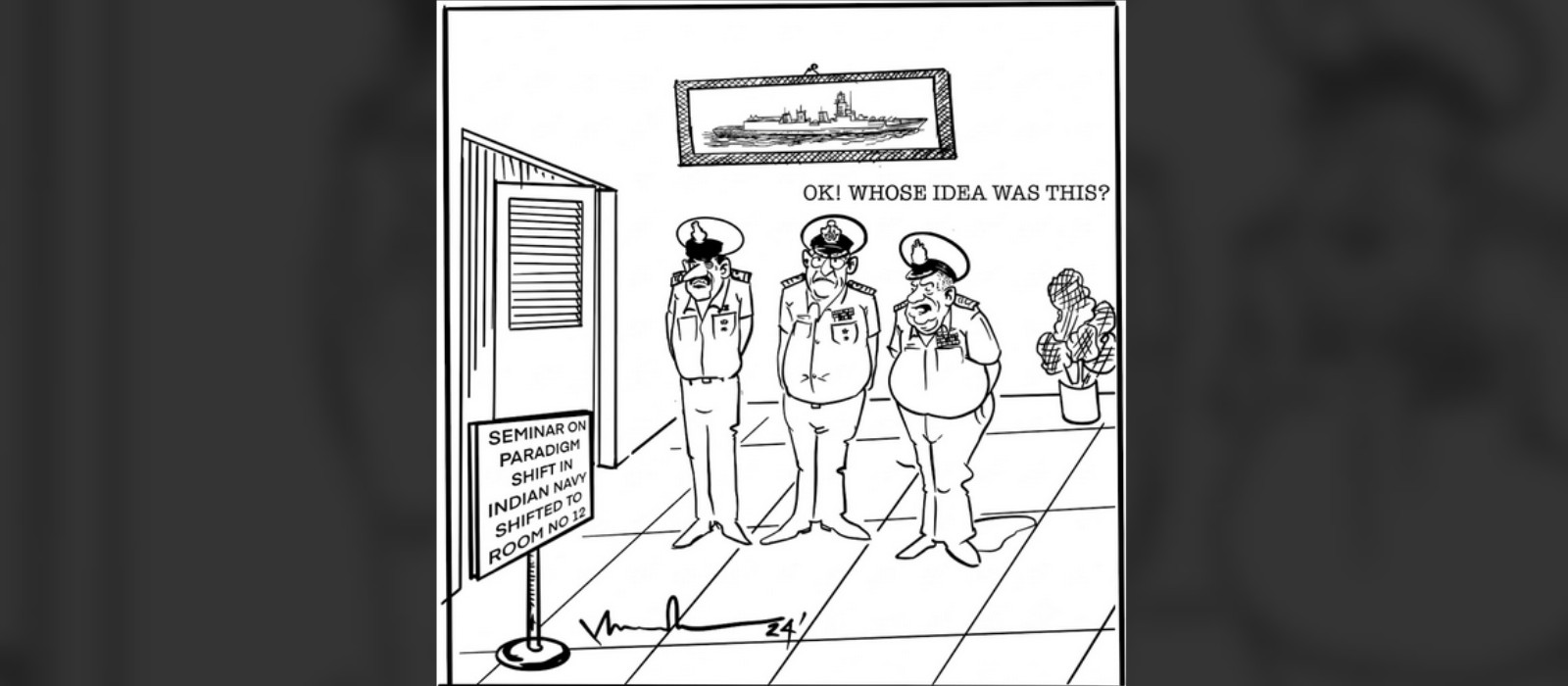
In the high-stakes game of ‘Gradus ad Navalis’, naval officers of all manner of rank and special...