

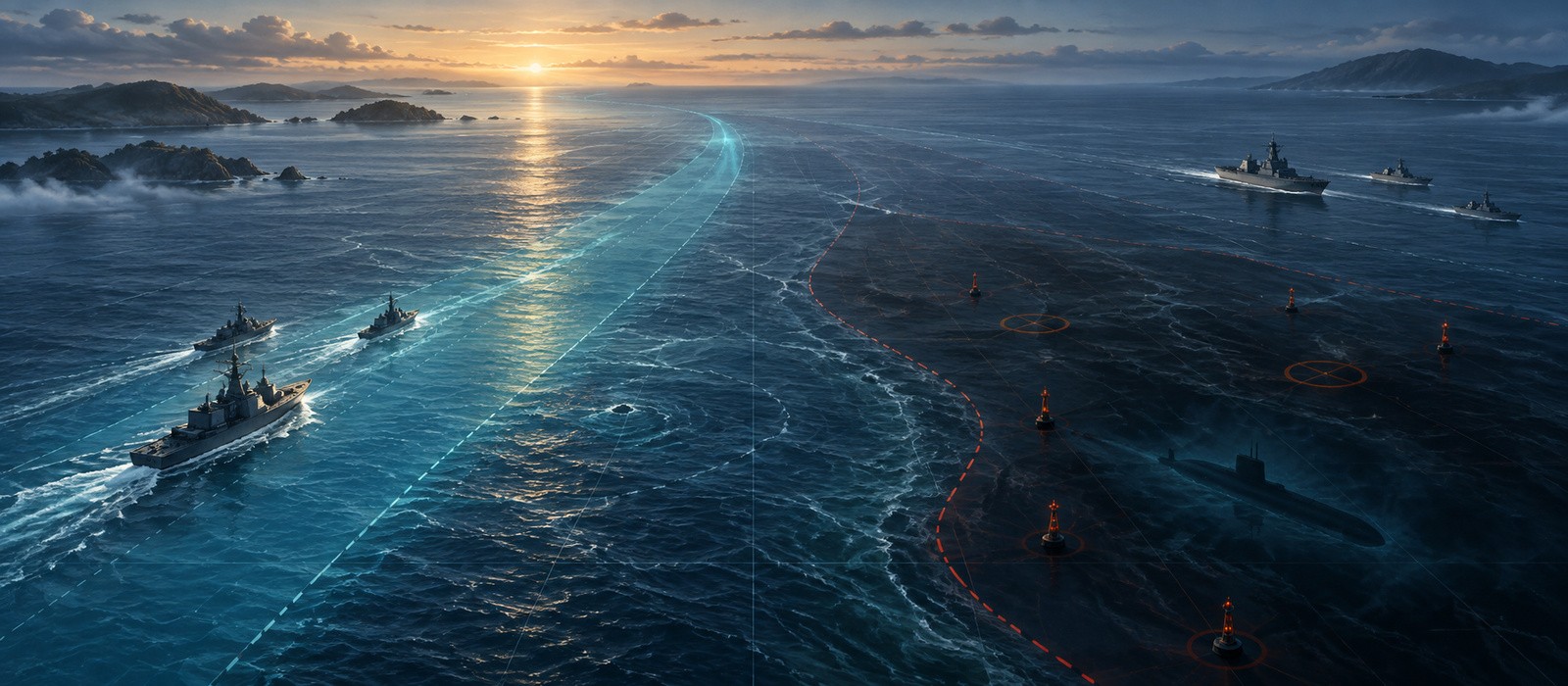
Putting Sea Control and Sea Denial to Work
Dr Prakash Gopal has, indeed, written a well-researched article, Command of the Sea, Sea Control and...
 C/O Naval War College, INS Mandovi, Verem, Goa, India. 403109



Know Your Adversaries; Exploit Capabilities while Understanding Limitations.
The rains in Goa and along the West Coast are just about receding as this Monsoon edition reaches your hands or shows up on your screens. The Spring issue’s editorial tagline was Beware of Jargon, Be Aware of Fundamentals and included a few articles that attempted to explain simple issues as well as some complex issues in simple words. The Despatch team hopes that the pervasive influence and recourse to jargon reduces overall in professional lives and that essays on these pages continue to help explain rather than confuse.
To that end, the lead essay by Captain Pradeep S Sethi continues with that objective but also looks at the strategic environment which contains both, land powers and sea powers. He asks, How Have Land Powers Endeavoured to Gain Strategic Advantage over Sea Powers: Does History Have Something to Say? In his examination, he looks at the Peloponnesian war of 431-404 BCE in which a land power like Sparta prevailed over a sea power and also built for itself a strong, competent navy in due course. In long conflicts, sea power and land power can interact dynamically for one’s side or against each other. In looking at Napoleon’s Continental System and Britain’s blockade of the French and others, he highlights the nuances, of the uncertainties and that the ‘whale’ does not necessarily prevail over the ‘elephant’ and large powers often have needed both creatures on their side. He has interesting thoughts on symmetric and asymmetric strategies that land powers can and do use. It is useful to understand the contextual strategic environments as well as strategic leverage as well as limitations of sea power and land power in different circumstances.
In a comprehensive essay, The Escalating Confrontation Over India Between President Xi and the PLA, Ambassador Prabhat Shukla shares a most interesting – and unusual – view on apparent rifts between Chinese President Xi Jinping, and the People’s Liberation Army (PLA), which as the world knows is the Communist Party of China’s (CPC’s) Army. He supports his thesis with evidence gleaned from diverse, but especially from Chinese sources and supporting events such as some of the sackings and missing senior party and military leaders. Some readers may recall his deeply insightful paper Mackinder, Eurasia and China’s OBOR: Mackinder for the Twenty-First Century (INDES Summer 2021) which knitted together Mackinder’s ‘productive line of inquiry with his 1904 essay’ with missing elements of economics and technology in his thesis that reflect in China’s approaches.
Armed forces are constantly evaluating new technologies to leverage them for greater effectiveness in warfighting and also to develop countermeasures. Often, ethical complications and grey areas associated with such new technologies require thinking by nations, armed forces and even multi-national organisations that continue to look at the body of laws, treaties and conventions that govern armed conflict. Captain Alekh Agarwal, in an Ethical Approach to Lethal Autonomous Weapons Systems, analyses the need for thinking through ethical issues arising from the potentially increasing role of such weapons and what may be the issues with such autonomous weapons in battle. He tries to answer some questions but also explains that much more thinking is required to align these weapons with ethical use, challenges notwithstanding. There are some quarters in India that are also thinking about these aspects, so this is a timely article for our understanding.
A noted naval historian and educator from Australia, Lt Cdr Desmond Woods, RAN (Retd.) looks at some fundamental issues of naval education and training but specifically relating them to junior officers’ areas in his own Navy. His recounting, Understanding Each Other’s Education and Training Methods: An “Aussie” Re?ection on IN-RAN o?cer exchange, May-June 2009 provides much value-addition by relating his experience of spending over a month at Kochi, India, where he participated as an instructor-observer at both the Centre for Leadership and Behavioural Studies (CLABS as it was then) as well at the Maritime Warfare Centre phases. His is a valuable prism with very useful observations on the utility of history for learning; and the need to have smaller numbers in classrooms. He ends with this nugget: “Without that corps of highly trained and motivated o?cers a ?eet at sea in wartime can become, at best a blunt instrument, and at worst, a target. What a Navy needs to be is a lethal instrument of national will, able to deter aggression when possible, and also able to ‘fight and win at sea’when necessary.” At a time when IN-RAN and Australia- India strategic partnership is deep as well as wide, the rekindling of such exchanges once again seems to be on the anvil.
In a well-researched essay Maritime Trade Warfare Against China: Considerations for India, Captain Deepak Tyagi delves into a variety of complexities, opportunities and limitations of trade warfare. He explains, drawing from lessons of history, that it takes a lot of effort, time and resources to impact an enemy’s trade and protect one’s own. His inferences and recommendations, confined to open-source data and interpretations should be of interest across wide cross-sections of our growing readership as well as for senior leadership.
A mention of ‘open-source’ leads to an essay by Commodore Manish Rao who looks at the Military Value of Open-Source Intelligence (OSINT) in the Indian Context: A Myth or Reality? All of us are aware of OSINT, and yet, as the author explains, there are several nuances and complexities, utility as well as limitations. The challenges of using information to make it into intelligence are not as simple as it may sound and Cmde Rao does well in sharing his perspective as well as in indicating what may be happening in the OSINT process in India and what more could be done.
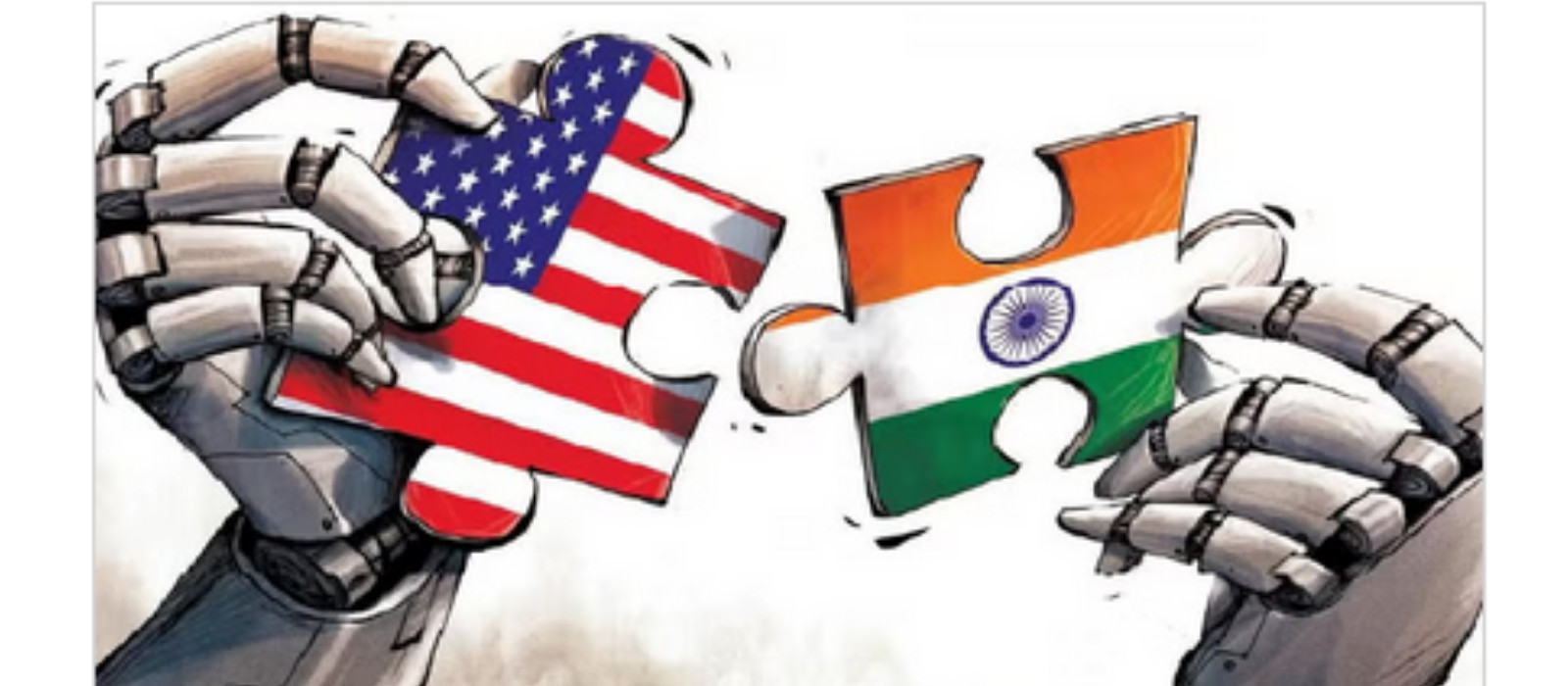
Practically in the stern wave of the G-20 Summit, the Despatch carries an analysis of the state of the relationship between New Delhi and Washington DC. Two well-known scholars, Mr Sanjay Pulipaka and Mr Mohit Musaddi, have contributed The India-US Relationship: Transcending the Geopolitical Imperative, and aver that this steadily expanding relationship has made several specific advances during PM Modi’s visit to the US in June 2023 and again during President Biden’s September 2023 visit in conjunction with the G-20 Summit but also as an important bilateral exchange. After examining details of technology partnership arrangements, trade and investments as well as supply-chain strategies, I2U2 and the recent India Middle East Corridor, the authors conclude that “India-US relations are not defined by the China factor alone,” but go much beyond.
The editorial tagline of knowing one’s adversary is furthered in an analysis entitled Military Modernisation in the 21st Century: The Dragon’s Way. Lt Cdr Pawan Nayak explains the drivers and trajectories of the PLA’s modernisation and transformation. The author looks at certain major generic trends in military modernisation and then traces how China is attempting to be technologically at par with others or even drawing ahead in some ways.
In a review of other players in the IOR, Captain Kamlesh Agnihotri (Retd.) undertakes an environmental scan of the IOR, the presence of Western extra-regional players, mainly the US and the Europeans to a lesser extent. He examines American interests in the region and then goes on to a closer look at China’s interests, presence and deployments in the IOR. His paper, Extra-Regional Maritime Powers in the Indian Ocean Region –Implications for the Indian Navy, then looks at the impact on India’s maritime domain and implications for the IN among which is also the strengthening of the leverage Quad and other partnerships could provide.
As always, this Volume starts with Both Watches, our discussion forum for past articles. We carry the views of RAdm Sudhir Pillai (Retd.) on legal issues related to Maritime Air Operations. However, he also makes very important suggestions on PME and the need for naval and military professionals to understand the laws and conventions that govern military instruments and the politics of war. This matters at all levels of warfare. Lt Cdr Panwar advances as well as counters some of the arguments in a previous article on the Hughes’ Salvo model for missile exchange situations. We do hope that readers will look at tactical development through the pages of this platform and continue to ‘rock the boat’ as I have mentioned earlier via main articles and Both Watches. On matters of strategy and the operational level of warfare, Captain Raghvendra Mishra advances as well as differs from some fundamentals of Sea Control and Sea Denial in the Spring 2023 Despatch article by Cdr Prakash Gopal (Retd.). On the same essay, by Prakash, Captain Suraj James Rebeira advances perspectives on peacetime presence and wartime power projection which are often mistakenly merged into the same thought besides offering some more recommendations on the need for fundamentals to be very clear.
VAdm Dasgupta, who retired very recently as CINC EAST, makes a rib-tickling contribution in Rogues’ Yarn and Small Stu? on the perils of a dictated answer and the danger of a changed question! Once again, VAdm Krishnan (Retd.) delights readers with his ship’s attempts decades ago to have a ‘high-technology’ communications solution to a personnel recall system.
We have a book review of a most interesting new offering by noted historian Paul Kennedy, the author of such classics as The Rise and Fall of British Naval Mastery, and The Rise and Fall of the Great Powers to name two. Cdr Abhishek Pandey reviews his 2022 book, Victory at Sea: Naval Power and the Transformation of the Global Order in World War II. NonetheIess, I do end on a note of concern that we received only one review that met our requirements of it being for a book not more than 18-24 months old, not because older books are not useful, but because the purpose is to review books that may not already have been reviewed much earlier. Therefore, some submissions were of much older books and could not be accepted. The Despatch team does hope, however, that the Navy’s intent of ‘reading for leading’ and reviewing books to encourage others to read acquires more momentum.
Full Sails!

Dr Prakash Gopal has, indeed, written a well-researched article, Command of the Sea, Sea Control and...
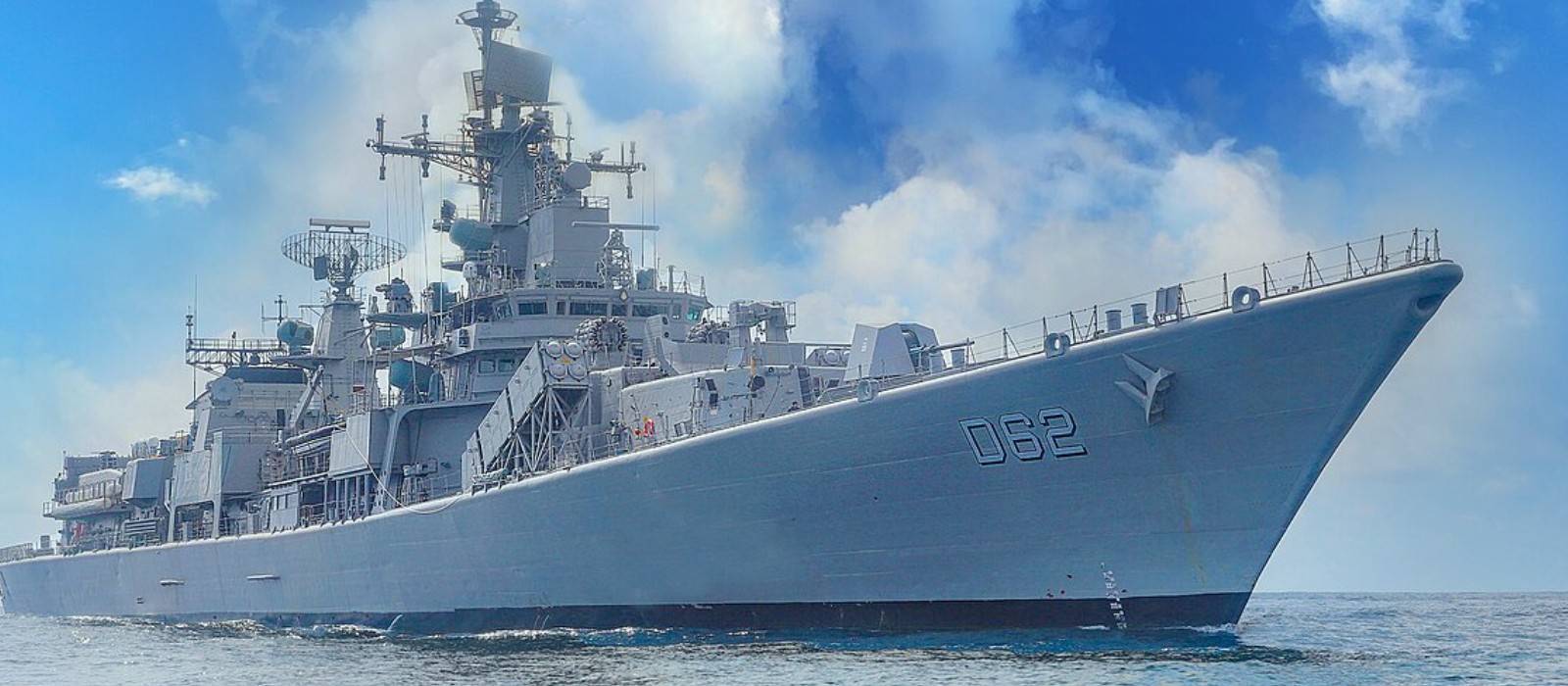
Indian Naval Despatch Spring 2023 - Volume 4 No. 1. “Command of the Sea, Sea Control and Sea Denia...
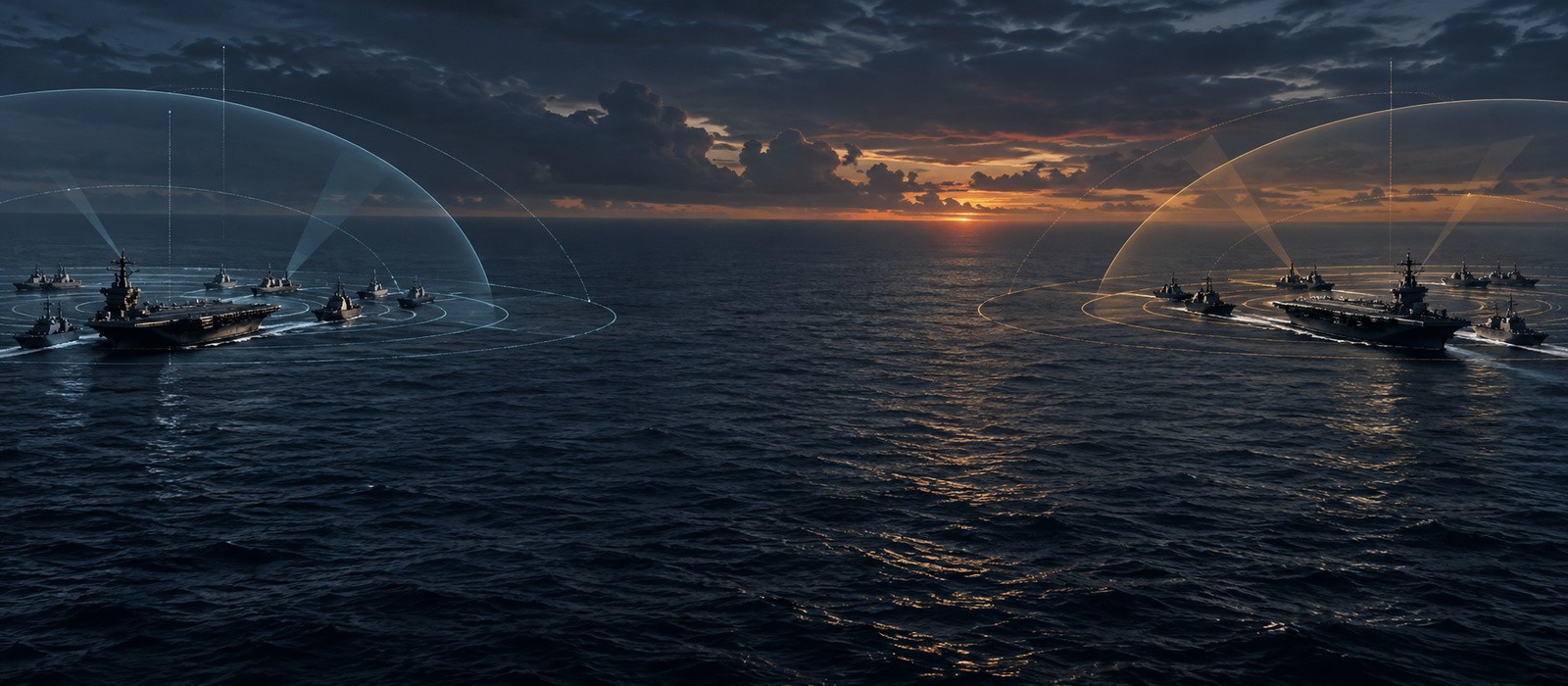
Indian Naval Despatch Spring 2023 - Volume 4 No. 1. “Small May be More Lethal: Indian Naval Force ...
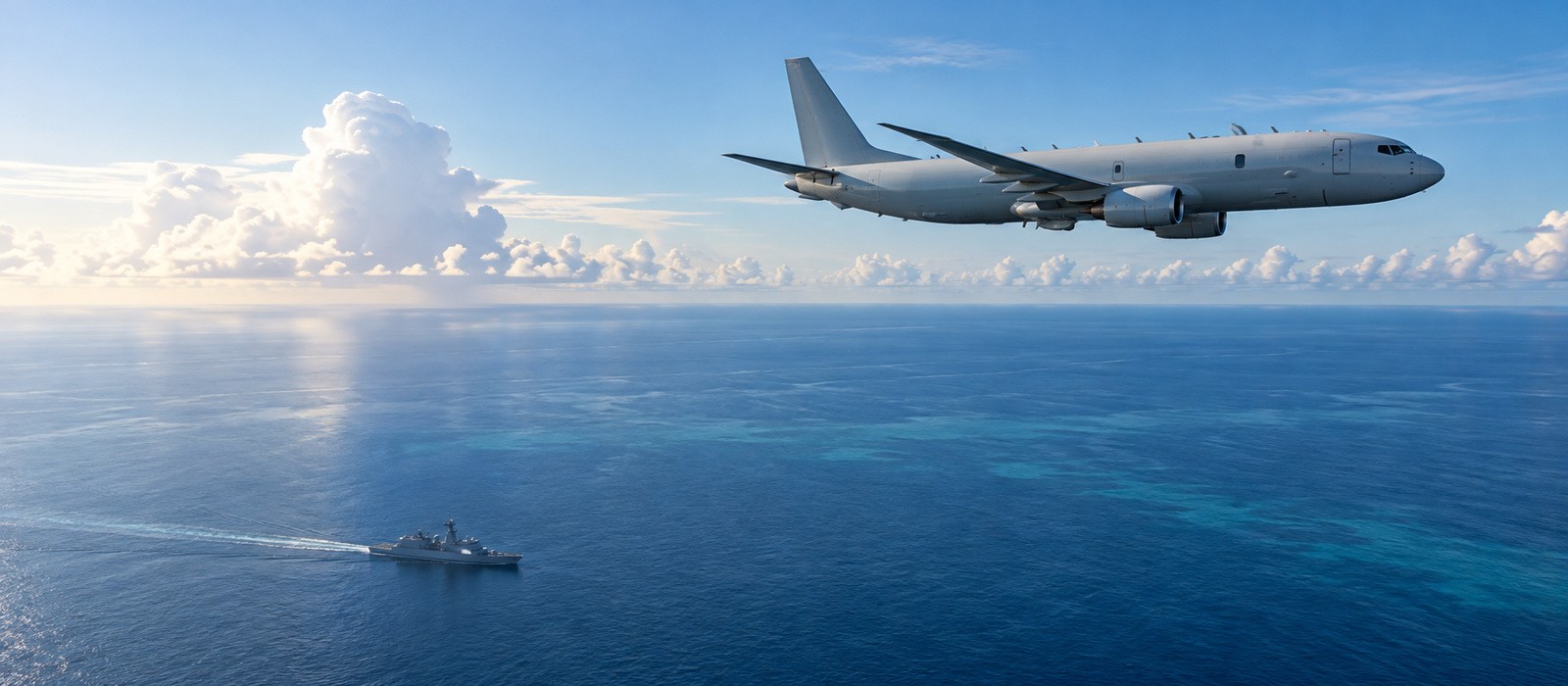
Indian Naval Despatch Spring 2023 - Volume 4 No. 1. “A Legal Analysis on Freedom of Maritime Air O...
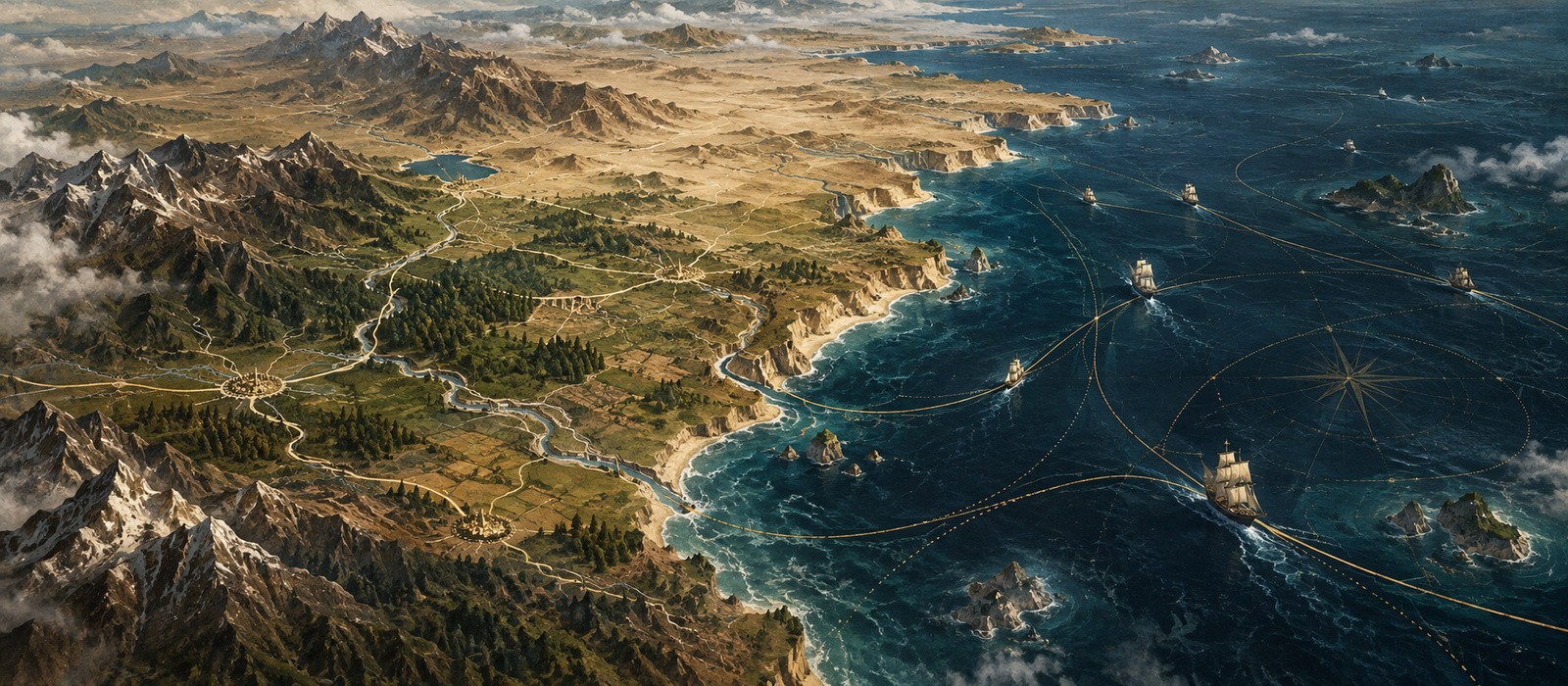
Abstract:The world has witnessed many instances of severe competition between land and sea powers an...
Editor’s Note: “This essay was simultaneously posted on the author’s website on 02 September 2...
In cases not covered by the law in force, the human person remains under the protection of the princ...
Editor’s Note: Nearly 15 years ago, the author had an opportunity to respond to an invitation from...
A picture of an Indian Naval ship named Androth recently launched by GRSE brought back memories of m...
After close to four decades in the Navy, a question that I have been asked a thousand times is “Wh...

Abstract: The paper, based on a comprehensive thesis written during the author’s NHCC, analyses is...
Abstract: The Indian Ocean region has been progressively taking centre stage on the global maritime ...
Ninety per cent of intelligence comes from open source. The ten per cent, the clandestine work, is j...
Abstract: China, aiming to secure its national ambitions and status as a global power, has been at t...
Abstract: India–US relations have been on an upswing in the recent past. This essay argues that th...