

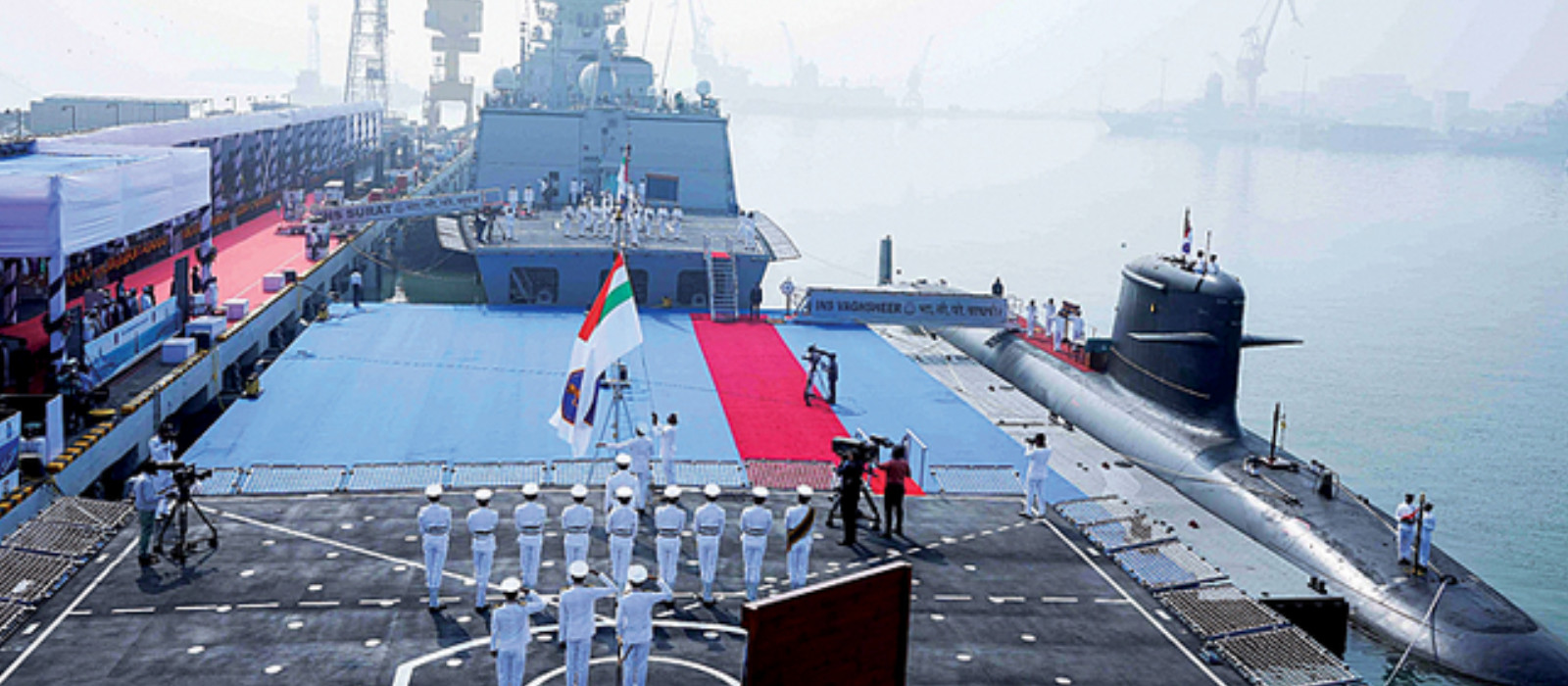
MORAL COURAGE, THE BEDROCK OF VALOUR: A RETRIEVED LESSON
The National Defence Academy (NDA) located at Khadakvasla, Pune, has been recognised the world over ...
 C/O Naval War College, INS Mandovi, Verem, Goa, India. 403109



Well Underway: Powered by Ethical Oars; Propelled by Thought
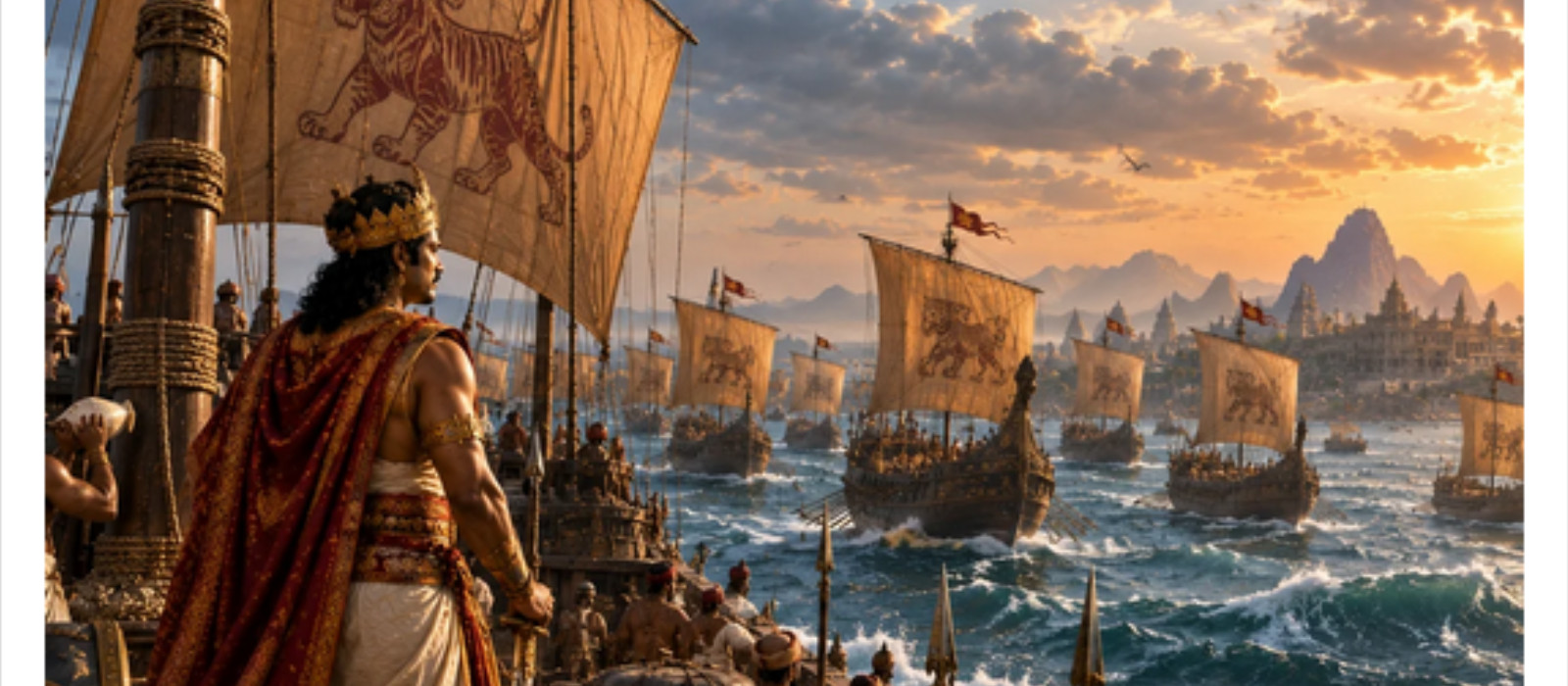
Readers may recall a mention in the Summer 2021 editorial of the hope that the Indian Naval Despatch (INDES) would continue to carry articles that analyse history, seapower or the works of theorists carefully. To recount just two earlier essays, the Summer 21 issue examined Mackinder in a contemporary context; the Winter 21 edition revisited Panikkar’s works. This issue continues that endeavour with a look by Dr Sanu Kainikara at the very important epoch for Indian seapower during the reign of the Cholas. This ex-IAF fighter pilot evolved wings as a historian working on a multi-volume series of books themed From Indus to Independence: A Trek Through Indian History, besides continuing to write books and teach airpower as an adviser to the Australian DOD for several years. In Seapower and the Imperial Cholas, he traces the transformation of a small, peninsular kingdom taking on continental rivals and acquiring heft. The Cholas were a good example of a continental-maritime power and the trials and tribulations over the centuries of its expansion and demise. Dr Kainkara ends his contribution by drawing a few contemporary lessons, giving us much to think about.
An Appetising Wrong or an Insipid Right by Lt Cdr Rajiv Lochan in the previous Despatch has rightfully led to “powering it on ethical oars.” Captain Bill Hamblet, the Editor-in-Chief of the USNI Proceedings in his stirring “guestorial” traced how, since the 1870s, the magazine became a useful platform for discussions on leadership, values, cultural and social change in addition to other subjects. INDES seems to be propelling in that direction sooner than I expected. That is indeed very encouraging.
If Lochan examined “winning is everything” and the means versus ends challenges in an academy, Cdr Allan Rodrigues takes us back more than 50 years to the summer of 1970. His piercing account, Moral Courage, the Bedrock of Valour: A Retrieved Lesson, talks of a cadet who stood his moral ground, acted on behalf of his juniors at the risk of the opprobrium of being thought of as a “snitch” and breaking the omerta code among peers. This cadet went on to win India’s highest gallantry award posthumously. Allan Rodrigues was an eye-witness initially on the wrong side of comprehension. Come December every year, he still goes through a churn and the lessons he shares are searing. Who is the protagonist he writes about?
It would not be right to include a spoiler alert and reveal the name of that “Cometh the hour, cometh the man,” but a good question that we may all ask ourselves is what might we have thought of his moral courage as a cadet had he not fallen on a battlefield? What if he were not given an opportunity for valour heading his small band of soldiers but considered a tattle-tale for years by his peers and by the juniors who may have also thought similarly? Would he be less of a man if his hour had not come? These are difficult questions with no easy answers. But, I hope this article leads readers to reflect and write more. Indeed, a retrieved lesson of value to us all. It seems very likely that we may soon have requests from other magazines to carry it. There is a personal recounting that has some relevance. As a 12-year old school boy, I had attended the POP with my parents and an ex-Navy uncle in June 1970, when this hero marched off the Quarterdeck. I had the parade programme for several years - among the little memorabilia boys would collect - and knew about his sacrifice and medal. However, I did not know this story until a few months ago. That the author has been a shipmate, makes what he shares with us that much more valuable for the editor! On the same theme, and encouraged by Lochan’s thoughts, another young officer Lt Cdr Pandey, presently at the Naval Academy, shares his thoughts on Training for Ethical Conduct.
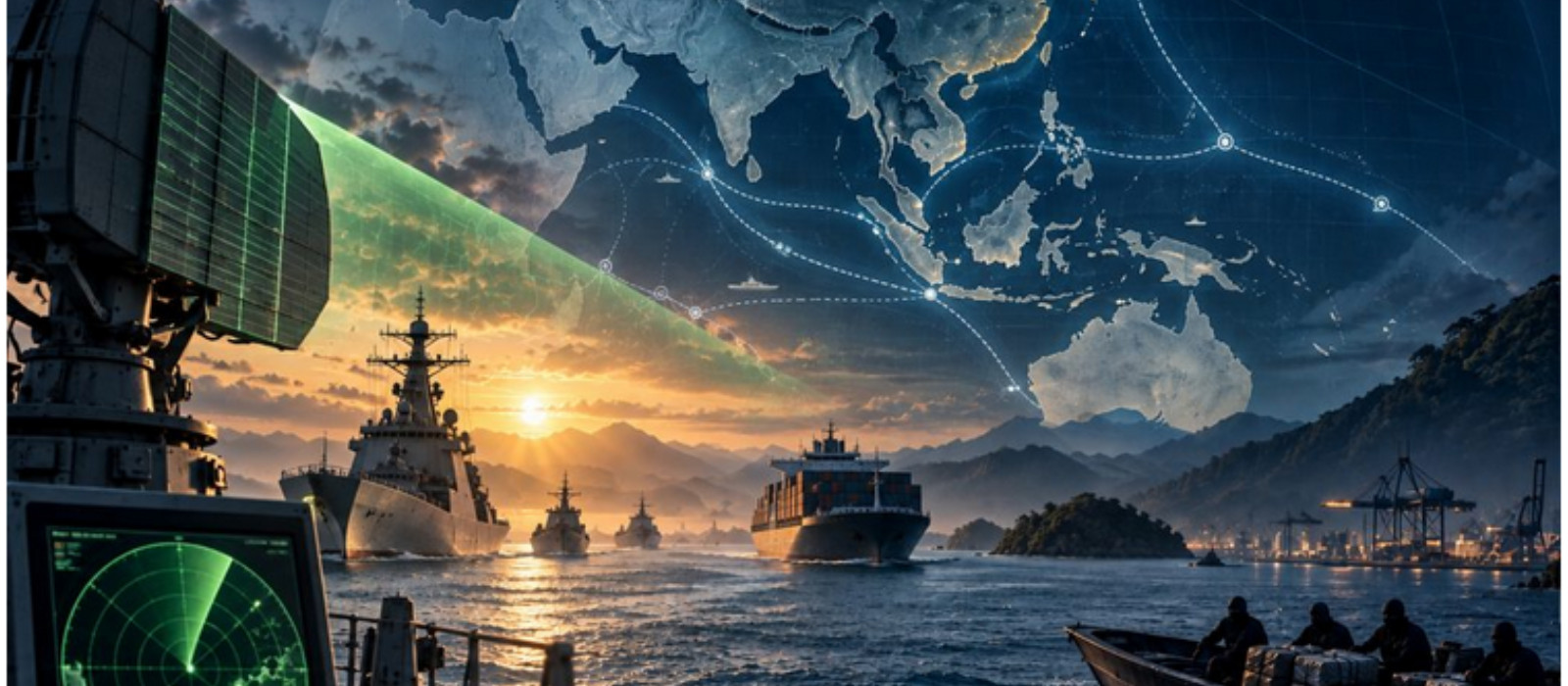
The ink in the Winter 21 was not yet quite dry in November when the “Board of Admiralties,” as termed in its editorial, met for the biennial Goa Maritime Conclave. This congregation of Heads of IOR Maritime Forces is an opportunity for them to put their heads together and share ideas. We carry two markers from the GMC here. One is a discussion with the Commissioner of Police and the head of their Coast Guard as well, where he explains how Mauritius has made great progress via some mini-lateral maritime cooperation with neighbours. Its neighbours seem close on a small globe, but are actually spread out in the vast spaces of the strategically important South Western IOR. The other is a contribution from the Chief of Navy, Republic of Singapore Navy (RSN) on Maritime Priorities for the Indian Ocean. It is the first contribution from an IOR Maritime Force Chief for the INDES, which is fast emerging as the voice of the region, and hopefully the harbinger of many more. Among other matters, his is a call for buttressing a rules-based order at sea and prosperity for the region through cooperation and collaboration.
Two articles are from a ship’s perspective of coping with adversity. The business of going to sea and remaining effective as a warship has never been easy. Yet, professional sailors strive to do just that all the time. Cyclone Tauktae affected vast areas of the West Coast during mid-May in 2021. Lt Cdr Navneet Singh, the Signal Communication Officer (SCO) of INS Kochi, describes the fierce conditions under which their destroyer put to sea and then rescued well over a hundred seamen from a barge that had sunk in the Bombay High oilfield. This deck-eye view is important and may give an idea of the thousands of lives saved or protected by the Navy and Coast Guard at sea as well as in coastal belts through those storm-battered days.
The other article is on the challenges in setting a ship right - rather upright - and making her a fighting frigate yet again. Cdr(E) Binu Mathew encapsulates what it took to set Betwa right side-up after she toppled in dry-dock in Dec 2016. He candidly discusses the severe resultant damage, the difficulties in the plan of work, personnel issues as well as how the crew, the dockyard and other agencies rallied to get her to sea in just over three years. The cyclone that Kochi did so well in, was also one in which Betwa was at sea rescuing people with greater stability than her original design had. This story is a good amalgam of technical problems and human touch.
India-Pakistan and Limited Wars, by a regular contributor, Captain Himadri Bose, looks at some earlier writings on limited wars, limited objectives as well as on nuclear deterrence and limited wars in this bilateral context. It is an interesting discussion. One hopes subsequent articles will examine the differences between Indian understanding of limited wars as “small wars” in American parlance instead of objectives of regime change through war/conflict. It is one of the fewer areas where jargon has not contributed to confusion. Essentially “small” wars can have unlimited objectives of regime change of an adversary while “big” wars can have limited objectives of stopping short of a regime change on the other side.
Space-based ISR for maritime operations in peace and in conflict by Cdr Navdeep Singh points to the current gaps and the considerable efforts that are in hand to plug gaps in persistence, accuracy and coverage that are imperatives for the Indian Navy and for multi domain instruments and operations.
Three somewhat longer papers cover a wider geopolitical canvas. Commodore Sanjay D’Cunha writes on the Significance of “New Regionalism” in the IOR, especially for the island nations. Some nations deftly handle their own interests by “managing” both China and India, at times playing both sides even as they leverage particular aspects of geography, culture and economics. Captain Sachin Dhir looks at the Balance of Power in Asia and how Indo-US defence cooperation could blunt it. Turkey’s impact as a regional power is looked at by Commodore Ashok Rai in Rise of an Assertive Turkey. While Turkey remains an important country for India, the author examines the current issues, especially ones that cause friction.
Captain Mishra takes us through the nuances of Disputed IMBLs and ADIZ- Implications for Maritime Air Operations. Naval officers, more than others, need deeper interpretative understanding of maritime law and of such zones apart from the laws of warfare itself. We are happy to carry articles from the Naval War College’s faculty such as this.
Finally, there are a few book reviews, one of which is by yours truly on a 2021 USNWC publication by Dr Vego on three case studies from WW2 in European Waters. Others are on the Nine-Dash line by Pooja Bhatt and on Elon Musk’s approach to technology and innovation.
Readers would recall a main broadcast “pipe” about a new section “Both Watches,” along the lines of the USNI Proceedings’ “Comments and Discussion” pages. We were hoping a few readers would pipe up with counter-views and additional angles of matters published in previous issues. That has not happened, but we hope that debates will pick up in future volumes. However, a longer comment - again from Cdr Allan Rodrigues - explores, critiques and expands Rajiv Lochan’s arguments. It is highly recommended reading as is his lead article that follows this editorial. It is your thoughts, readers, that will propel INDES. We welcome articles from distant and close shores, younger minds and from older pens.
This journal’s slogan, Lighting Maritime Thought, depends on you!
Let’s proceed with despatch.

The National Defence Academy (NDA) located at Khadakvasla, Pune, has been recognised the world over ...
Editor’s Note. This research paper was specially written by the author for INDES. He presented a m...
Note: This article is adapted from the address delivered by RAdm Aaron Beng during the 3rd Goa Marit...
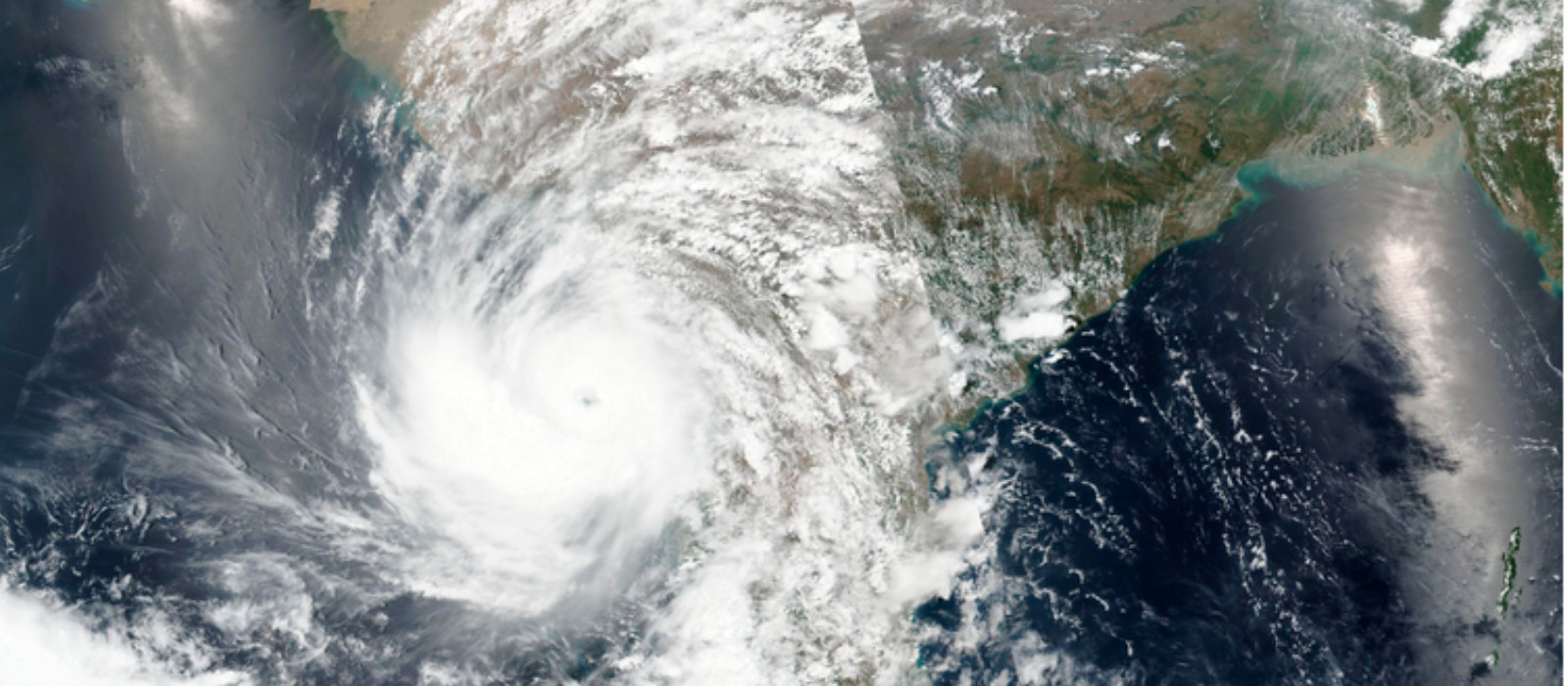
This is a short narrative about one ship, INS Kochi, one super cyclone named Tauktae and of a SOS so...
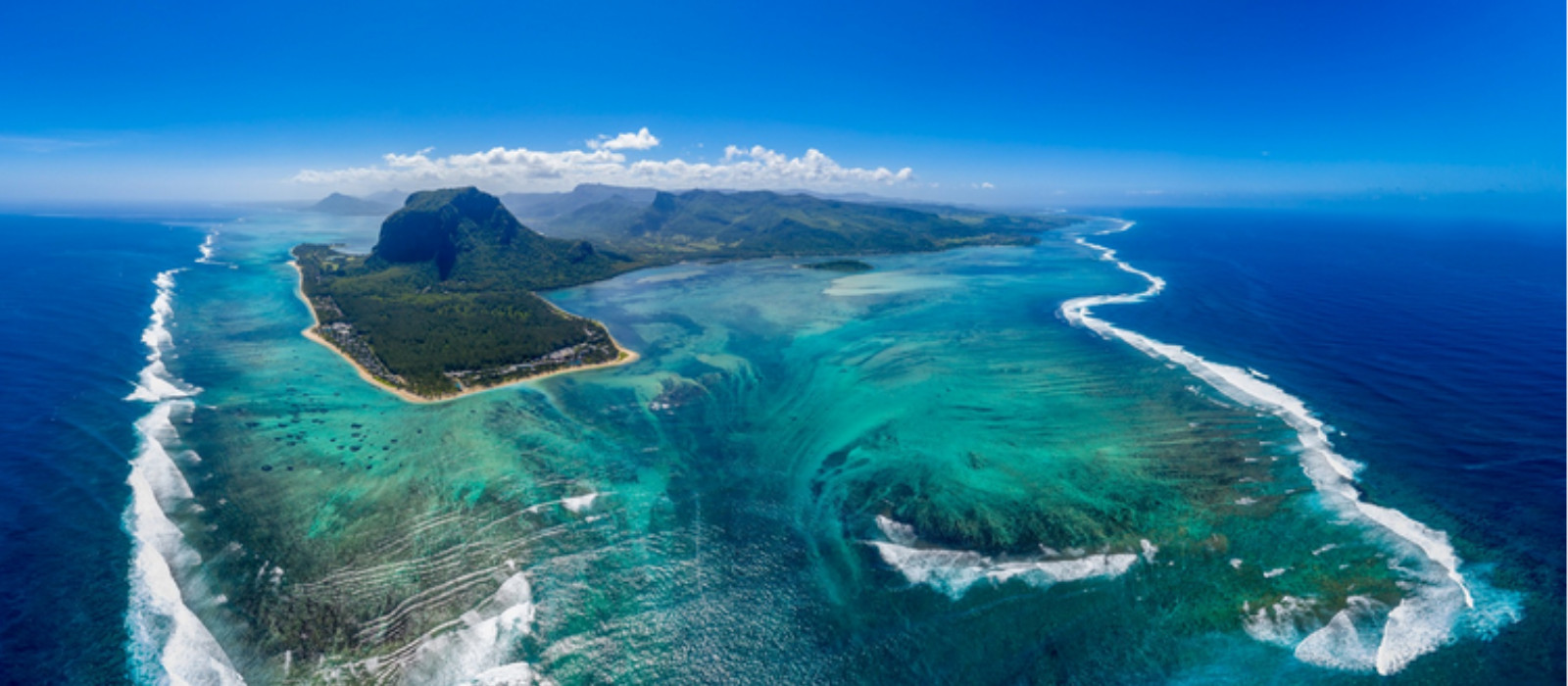
(This is a brief discussion on 09 Nov 2021, where the Police Commissioner of Mauritius, Mr Anil Kuma...
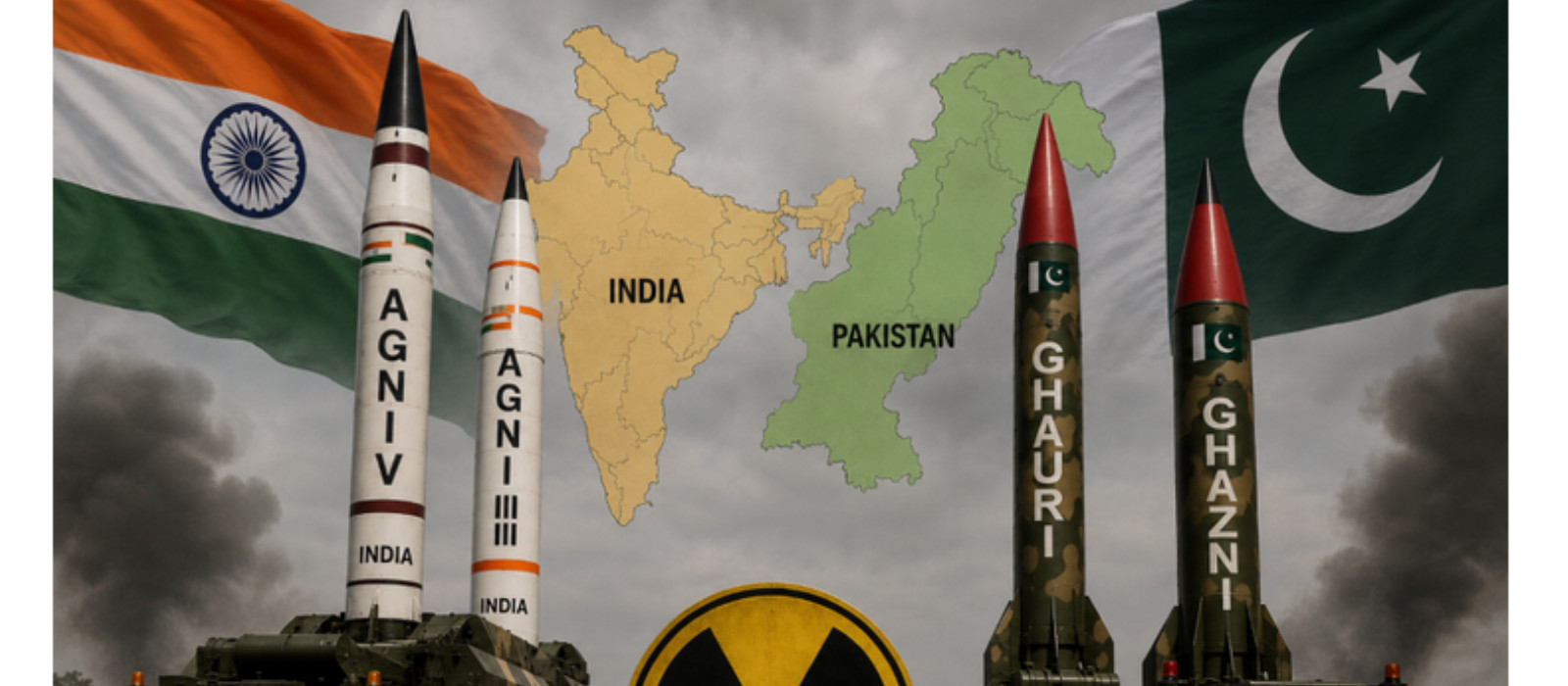
India and Pakistan have fought largely conventional wars bereft of the apocalyptical shadow of a nuc...
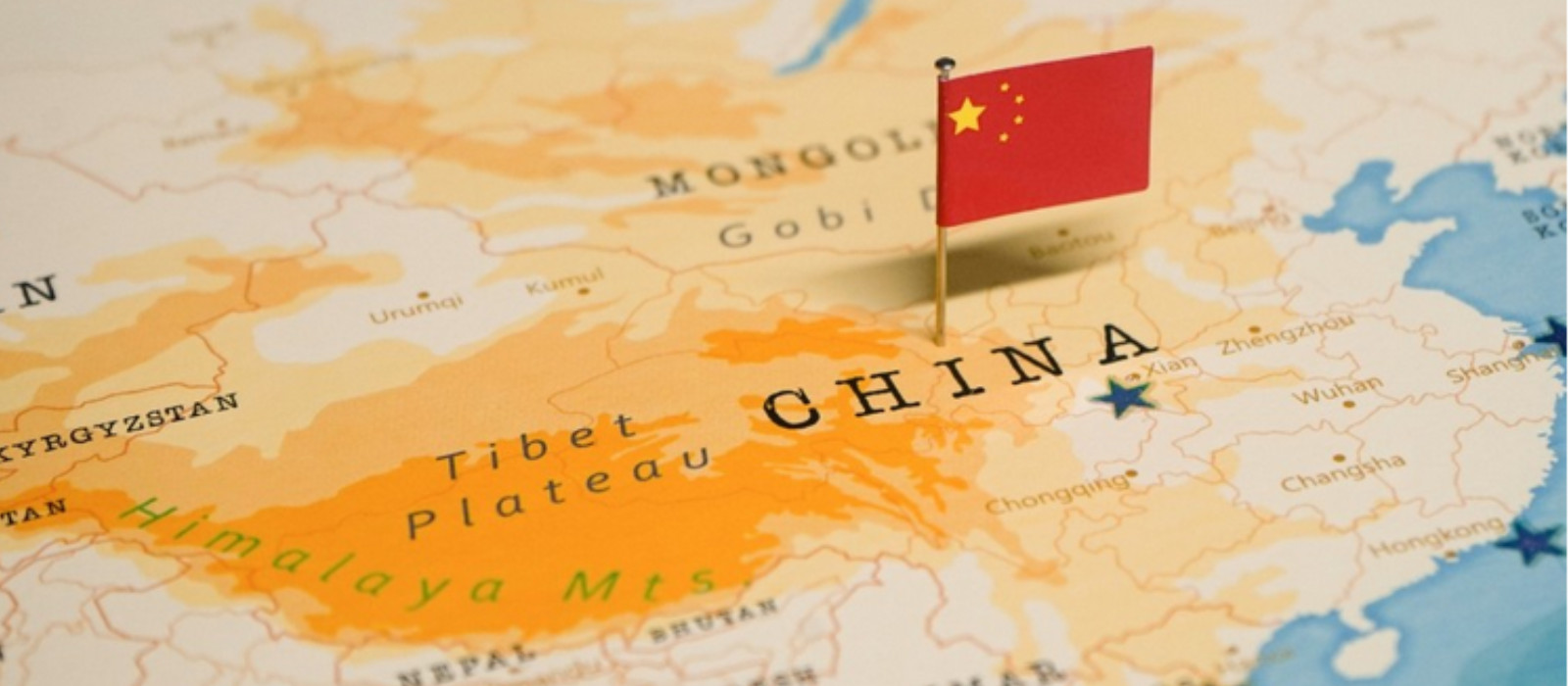
“Nobody is nobody’s friend, Nobody is nobody’s well wisher Persons become friends or enemies o...
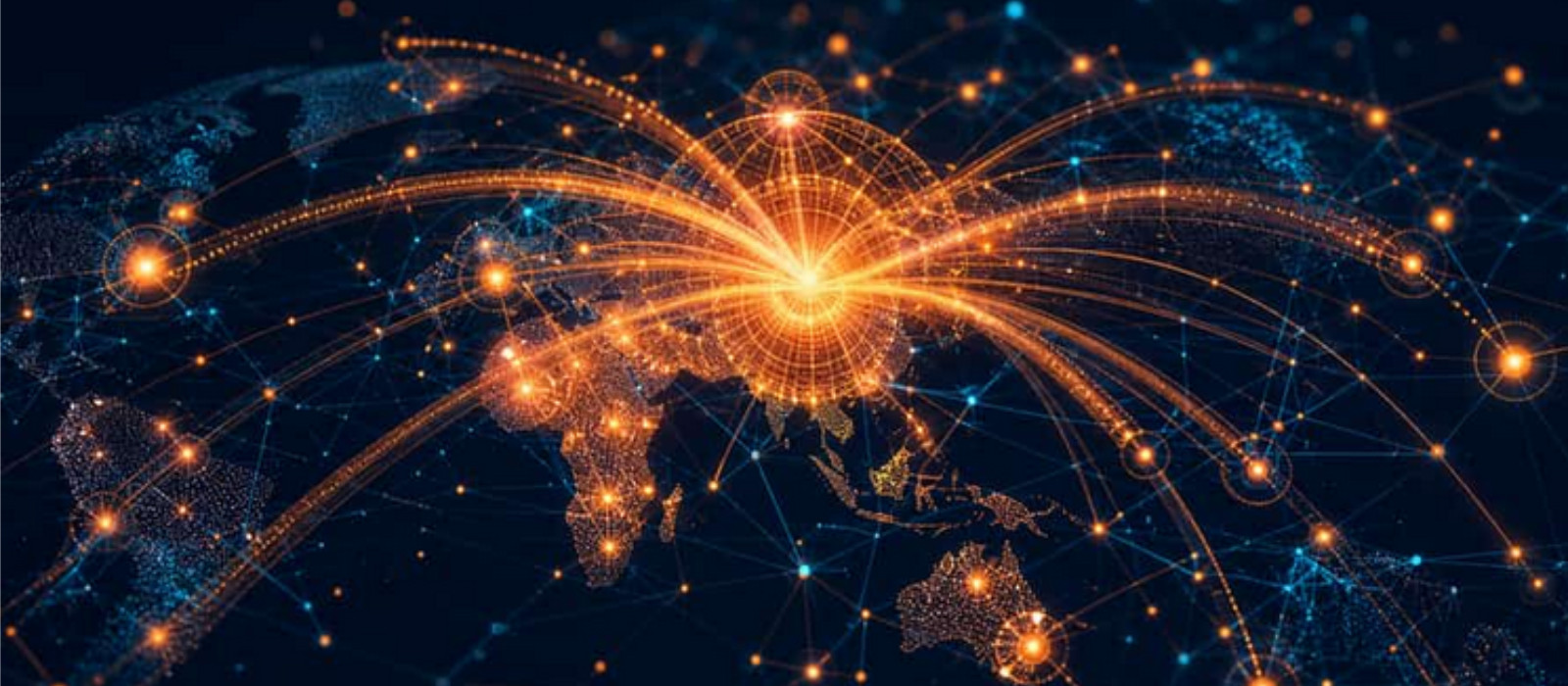
In the post-1945 period, Regionalism emerged as a political-security-economic variant and dominated ...
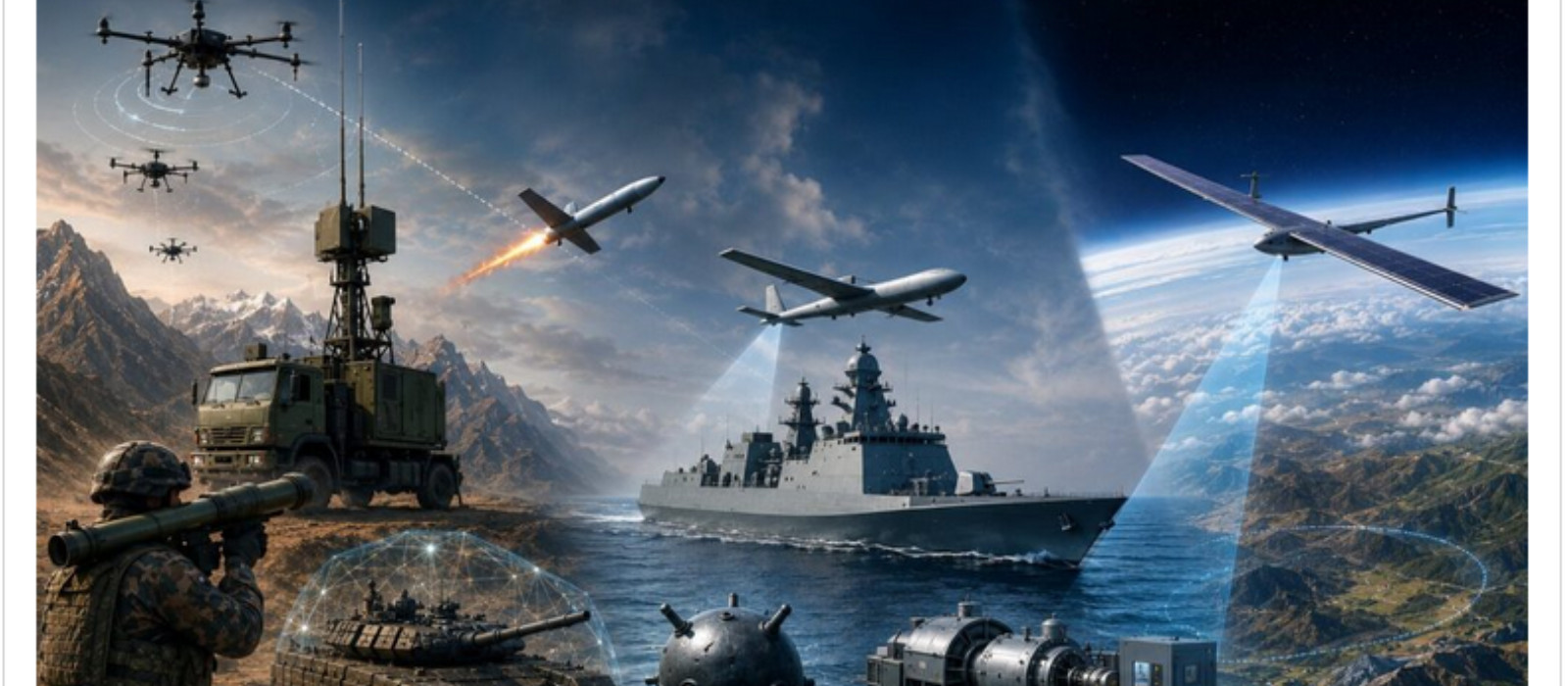
Overview To say that the maritime environment has become increasingly complex is to state a truism. ...
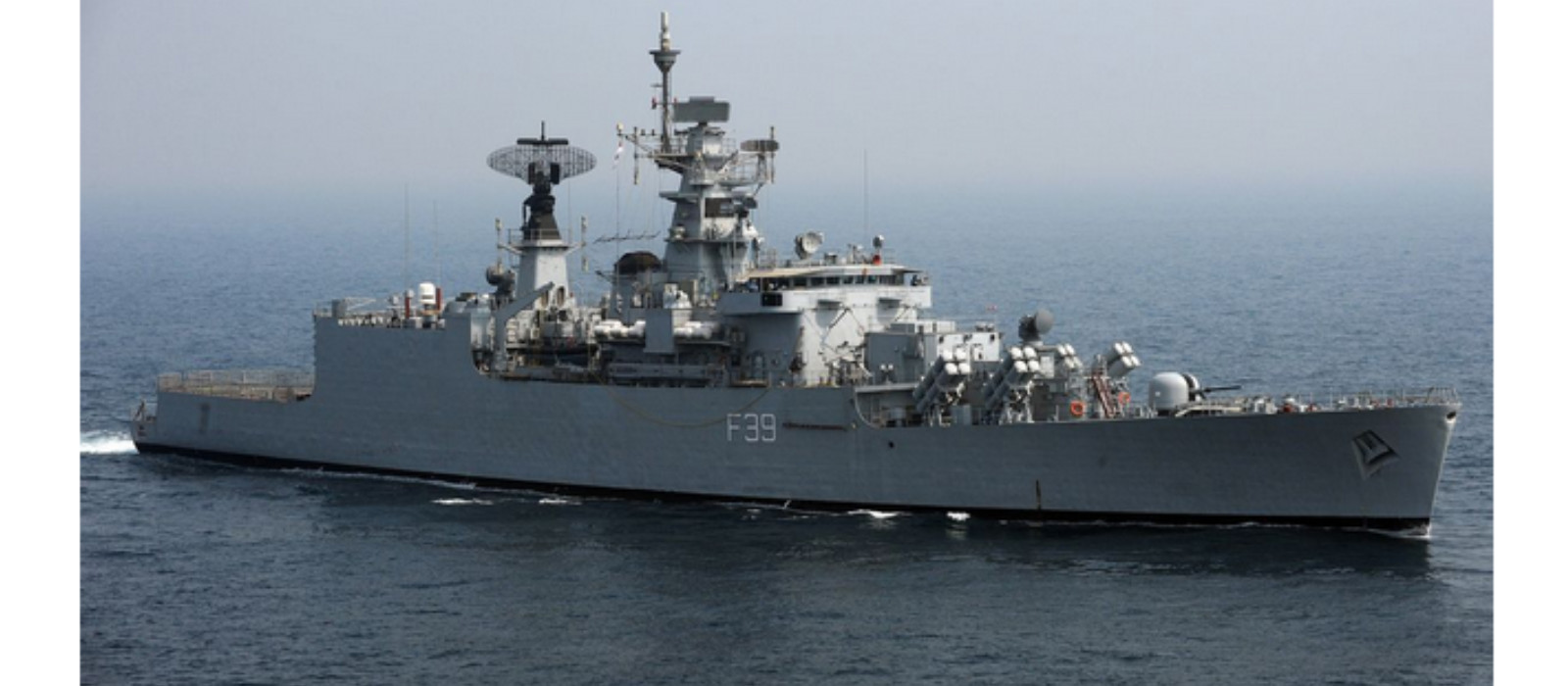
INS Betwa (F39) is an indigenously designed and built, steam propelled, guided missile frigate of th...
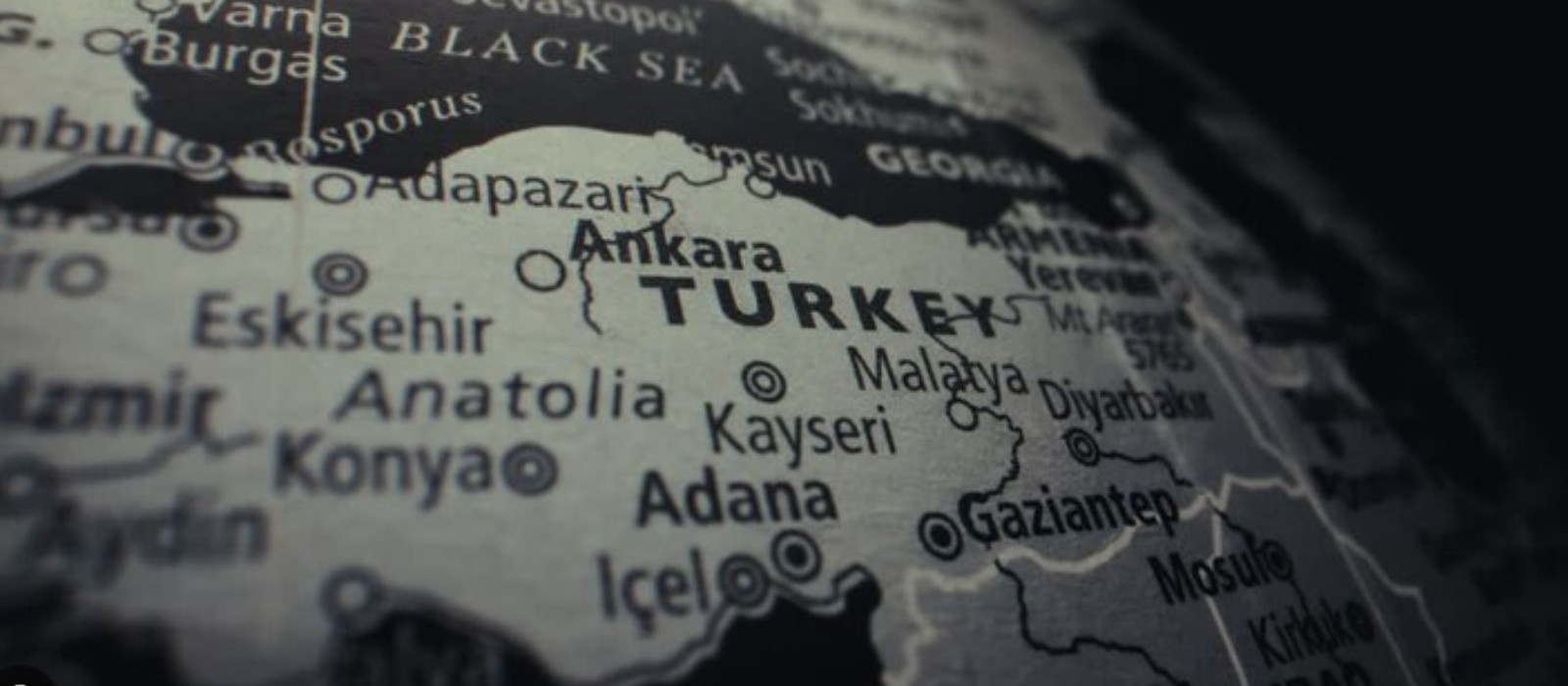
In Samuel Huntington’s 1993 book, Clash of Civilizations and the Making of the World Order, he pos...
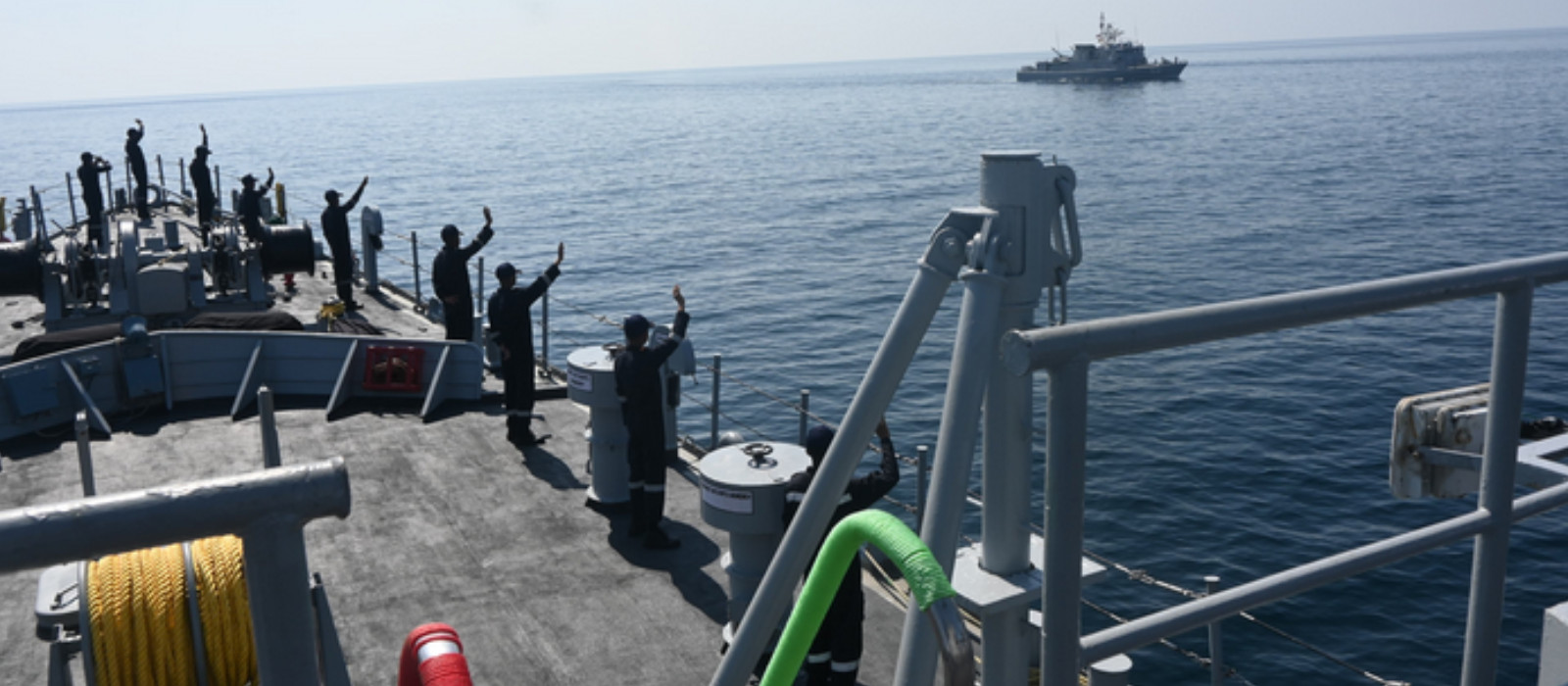
एकंसद्विप्रा बहुधा वदन्ति (There is one truth, wise me...
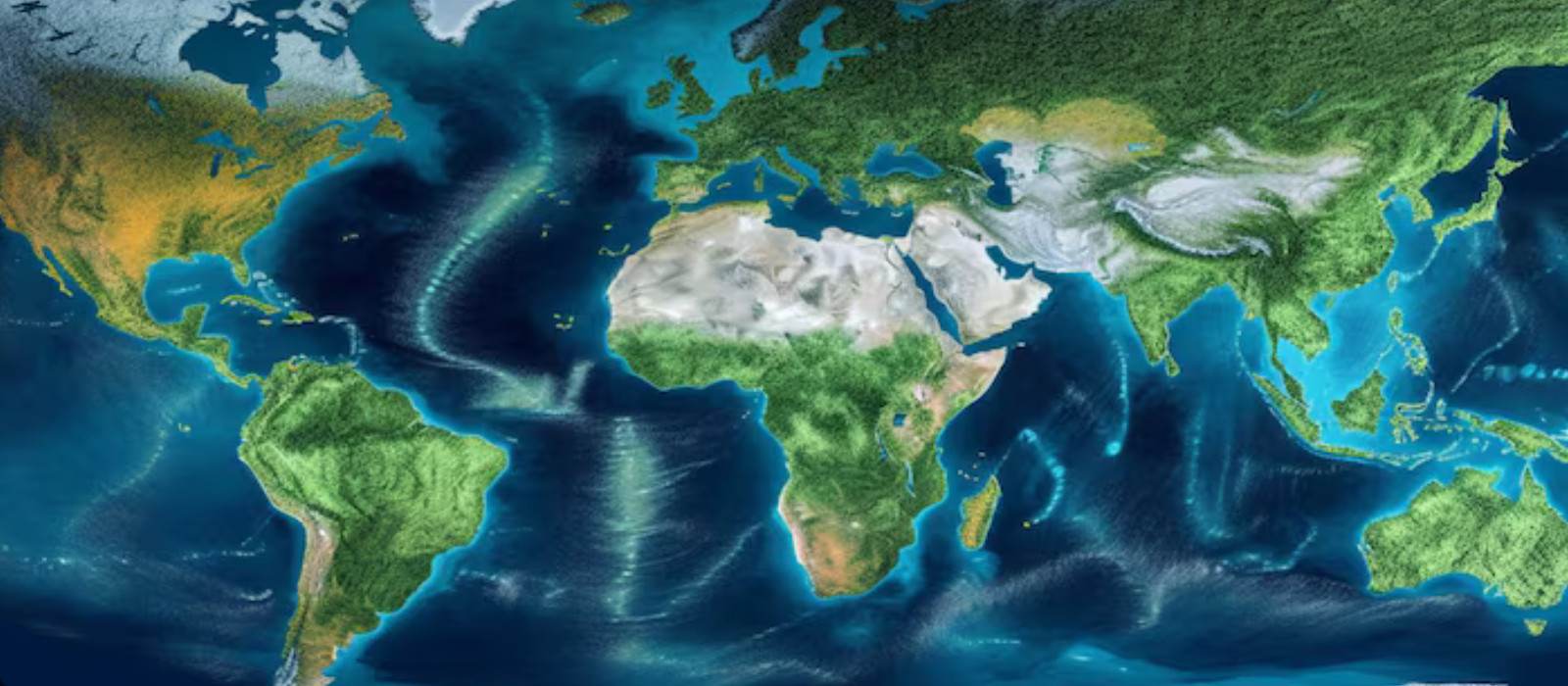
The waters of the world form one vast expanse. While land may be enveloped by the sea - and the Cont...
An outstanding article by Lt. Cdr Rajiv Lochan on a subject that has largely been left unaddressed a...