

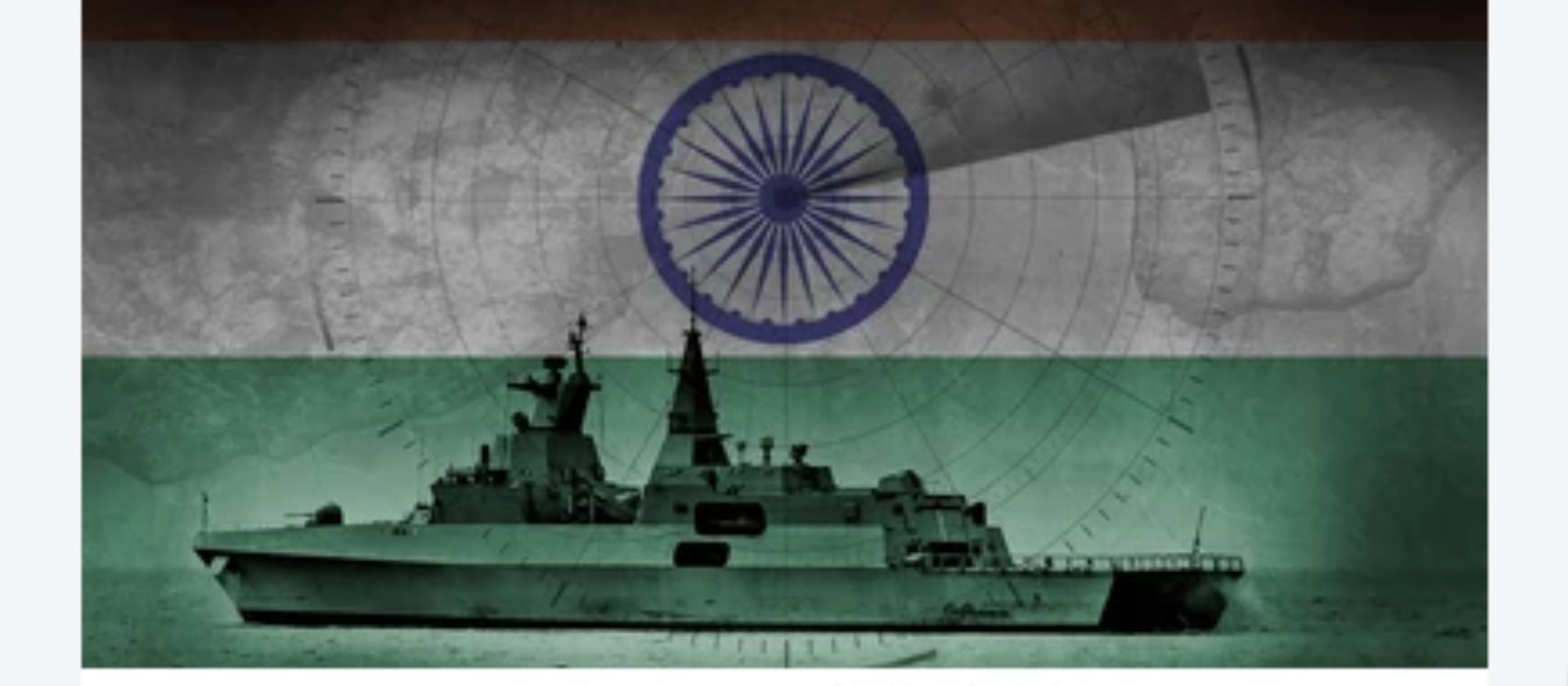
AN APPETISING WRONG OR AN INSIPID RIGHT
Duty, Honour, Courage! The Indian Naval Academy (INA) at Ezhimala, Kerala, functions with the primar...
 C/O Naval War College, INS Mandovi, Verem, Goa, India. 403109



From keel to mast-head: professional problems require professional approaches to derive solutions
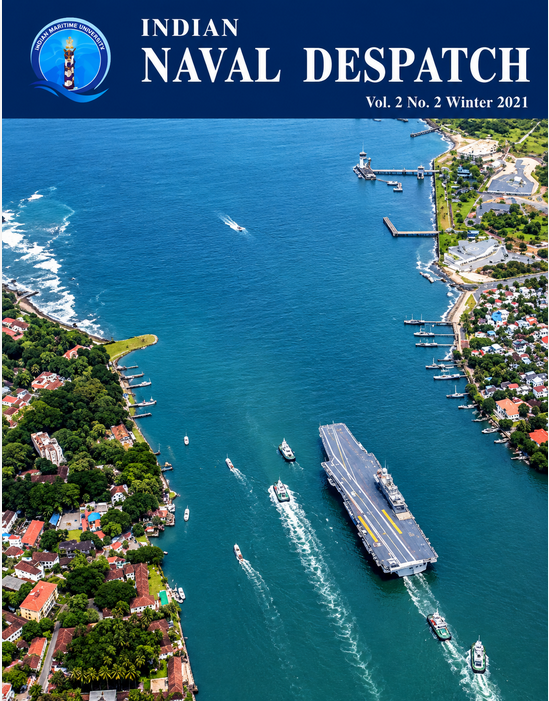
The Winter Volume of the Indian Naval Despatch is in your hands now. The Winter 2021 edition is indeed special as it is the first edition being published under the aegis of the newly established ‘not for profit’ company, the Indian Naval Despatch Foundation (INDEF). The Indian Naval Despatch is the flagship product of the Foundation, a company which has set upon itself the task of ‘Lighting Maritime Thought’ through promotion of independent thinking, reading and writing in the maritime domain. The Summer 2021 Editorial was titled, “On Many a Distant Shore and in Many a Professional Wardroom,” and it modestly ended with a question mark. This edition gives our team hope and confidence that we could be making way towards turning it into a statement instead.
Professional ethics and the foundations of junior-rank leadership are the keel of a navy. In An Appetising Wrong or an Insipid Right, Lt Cdr Lochan, currently part of a “wardroom” in Mauritius while serving in its National Coast Guard, examines some quandaries that begin at a young age in an academy and which could manifest later in more insidious ways. While his article is the lead-in, the other book-end, as it were, is a memoir of an exciting time in the 1970s of a young Navy lieutenant. He too was on secondment but to a fighter squadron of the Indian Air Force. This recounting is important for several reasons. It covers a period when the author was in the 1971 Indo-Pak War; it deals with his keen observation not only of his Squadron CO’s gallant leadership, but also the nuances of different professional cultures and flying environments between naval and air force aviation. Third, it discusses the importance of writing, archiving and sharing of military history ought to have for us to become better at what we do. Fourth, the author, “Oh just by the way,” happened to have become the Chief of the Naval Staff (CNS) in 2004 and one the IN knows well as Admiral Arun Prakash!
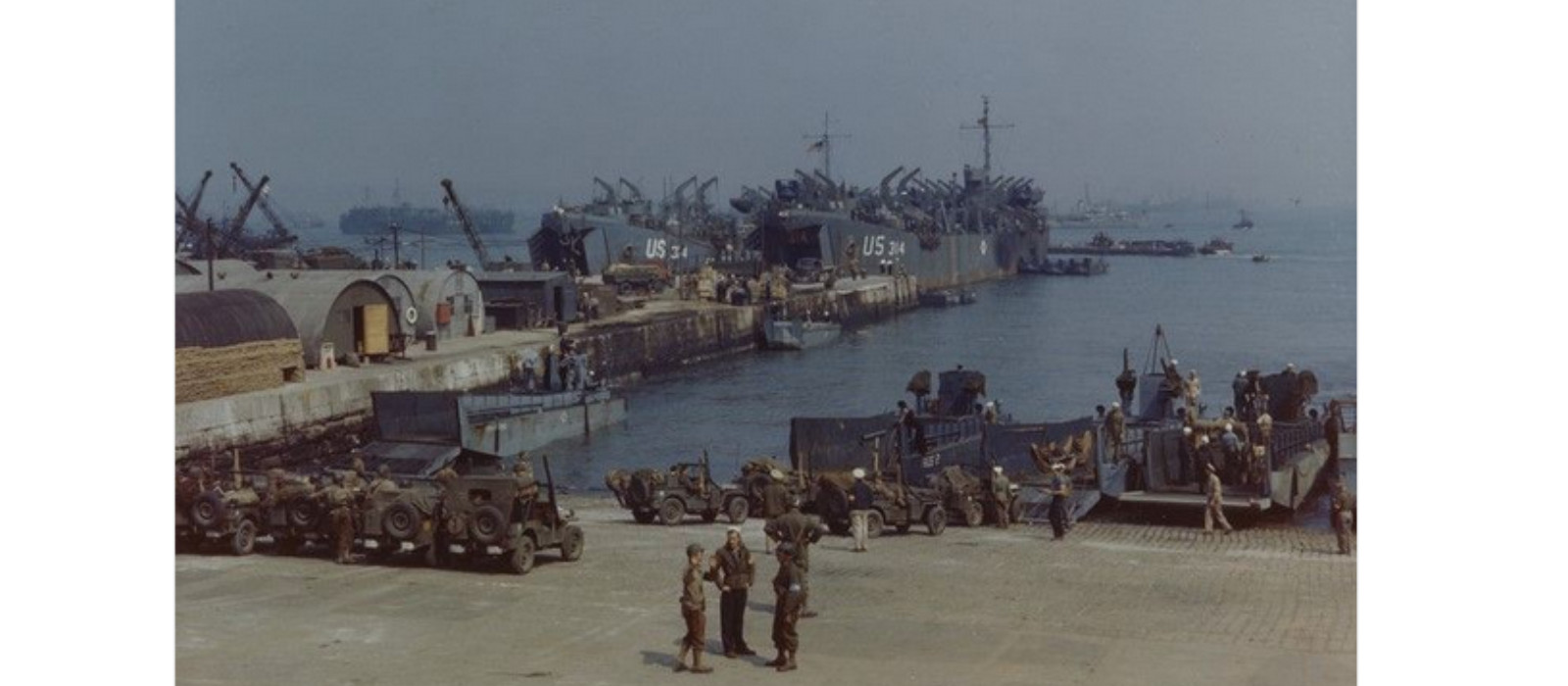
Between these book-ends, there is much more that prompted the title of this editorial, From keel to mast-head: professional problems require professional approaches to derive solutions. Therefore, the next provocation, Proceeding with Despatch, is a special contribution - a “guestorial” - from Captain Bill Hamblet, my opposite number as the Editor-in-Chief of the USNI Proceedings. He explains the circumstances of the USNIP’s birth and the influence it might have had on seapower and the US Navy since 1873. This American magazine has rocked the boat of naval thought from its inception. Bill Hamblet recounts a former USN CNO, Admiral Thomas Hayward, saying this about an 1878 article by a Lieutenant: “Pretty gutsy of a lieutenant wouldn’t you say? But that’s what Proceedings is all about.” Echoing a couple of things I wrote in my previous editorial, Bill adds for good measure, “And it sounds like the Indian Naval Despatch also aspires to stir such critical debate.” As time goes by, we hope that Lieutenants and senior sailors will be among those who send their well-argued provocations to us, a quality not alien to us. What may have been a gap in the process earlier was the absence of a platform and yet, I have read a superb paper, Role of the Submarine: A Statistical Study, written by a SLt Vishnu Bhagwat in 1962 for the US Journal. The Indian Naval Despatch aspires to be an accessible platform, meant for candid, reasoned, and well-written essays and articles. In the open domain, the Indian Naval Despatch could mirror the intent of the internal “CNS Discussion Forum” started a couple of years back.
Just above the “keel” of ethics and leadership, are other professional matters of which ship safety is one. Captain Malik, one of the early members of a more formalised approach within the IN’s safety organisation looks at it from a leadership perspective. Safe operations, boldness and tactical aggressiveness are not contradictions after all. A few decks above all this, we have RAdm James Goldrick, a well-known veteran of the RAN and naval historian from his younger years, sharing some thoughtful insights via Command: A Historical Perspective. Originally an address to the cadets of the USAF Academy, he has revised, updated and annotated it for us. This rich offering examines the challenges that were (and will be) not only for navies, but for other services as well and of course, has universal applicability. In writing about the necessity of naval leaders to understand airpower, Cdr Sawan makes several important points. The IN rightly sees aviation as an important tactical instrument, whether it is afloat or shore-based. All airpower is used tactically to cumulatively - even if often slowly - achieve objectives of strategy. Instruments are rarely inherently strategic when used as a label. And yet, our navy needs to study airpower closely. In an increasingly joint environment this seems more important than ever. The subject has been close to my heart having taught the works of airpower strategists at the NWC and at the Staff college for a few years now. Among other articles in this and earlier issues, we hope that views that reinforce and From the Editor’s ‘Deck’ counter his and other articles will reflect in future submissions. A bit more on “Both Watches” a little later.
The previous Indian Naval Despatch had an essay on Mackinder for the 21st Century. In this edition, the well known Indian maritime strategist, KM Panikkar is the focus of a deep look by Cmde Abhay Singh. In revisiting Panikkar’s works, we get to understand him from an analyst’s rather than an acolyte’s lens. This is an important distinction and a necessary underlay for imagining and formulating strategy. This approach would help us consider several greats of strategy as points of reference as well as departure. While principles of strategy and of war remain valid across millennia, the contexts in which these are applied may present new challenges. We hope readers and contributors beyond the current readership will help others benefit from their insights about other masters, ancient or modern.
The next two articles cover Afghanistan after the Taliban took over in a major defeat for the USA and a different perspective on China’s digital currency. Prof Shanthie D’Souza, an expert on Afghanistan of long standing, looks at what it means for India. Yes, that country is landlocked, not an obvious subject for this journal and yet neither continental nor maritime contexts remain in exclusive silos. Seapower advocates have to imaginatively consider how they interact and how our national strategies need to take into account the inter-linkages that span Afghanistan’s neighbours that have coasts, and China which seeks coasts that are not very “distant shores.” An abridged college thesis is what Captain Yaduvanshi presents about China’s amazing progress with digital currencies and attempts to replace the dollar as a global currency. Is that too ambitious of China? It may be so, but they seem to know how they might realise this and a few other “dreams.”
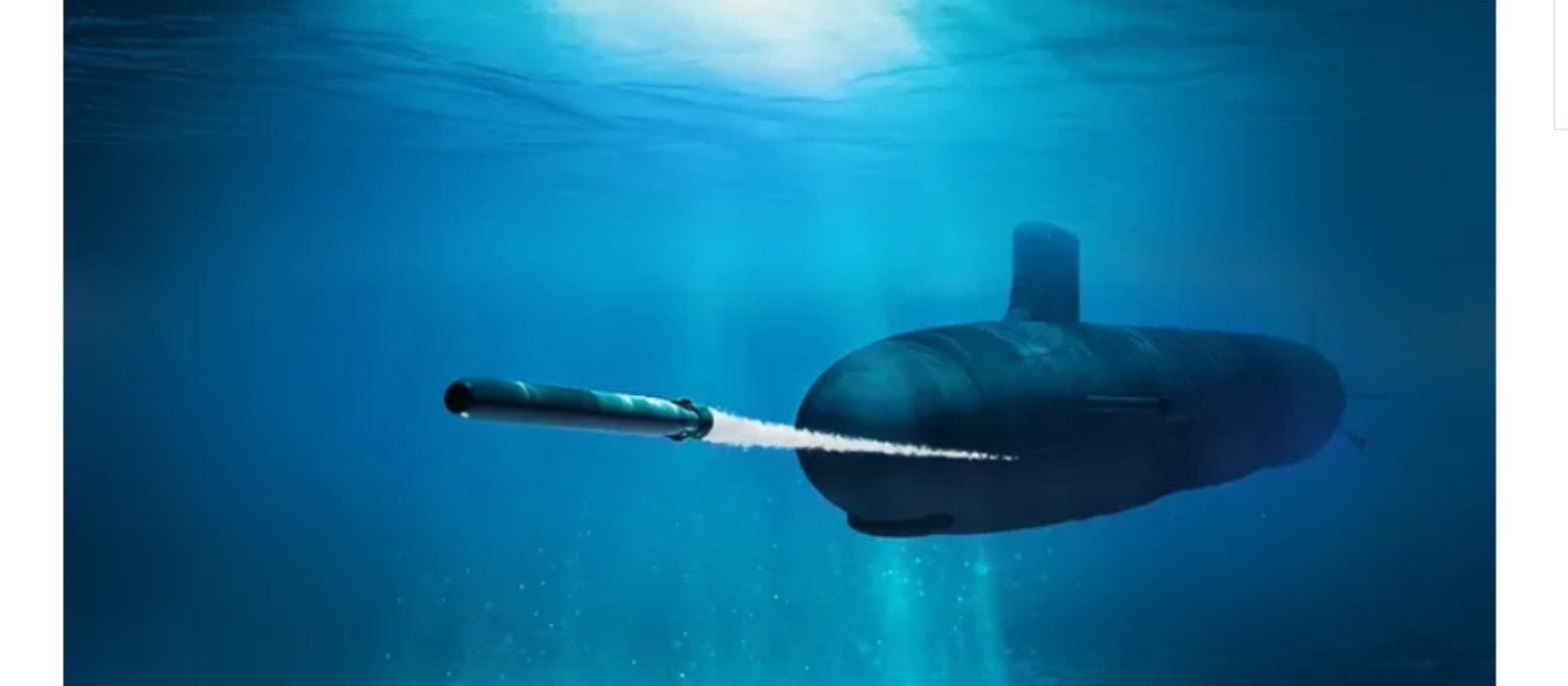
Two articles specifically go into matters for the IN and the Indian armed forces, but do have a wider applicability. Cmde Arvind looks at ship - level leadership to explain whether there is a Broken Bridge and takes us beyond the ship to larger problems that may need addressing. Cdr Pandey explains military innovation processes of a few nations and looks at the state in India and makes recommendations worth noting. Towards the end, Captain Sunil David (Retd) displays his wit with a satirical, and refreshingly irreverent look at innovation and the reason for the likely success of a Paint Homing Torpedo.
A retired sailor-scholar from the Bangladesh Navy, Commodore Haq, shares his perspective on the concerns he sees for the region across a range of developments. He makes a few suggestions for more regional cooperation. In a sense, this is most timely because the IN is scheduled to host its biennial Goa Maritime Conclave in November this year. The GMC brings together heads of regional navies and maritime security agencies (may I call it a “Board of Admiralties?”) for professional deliberations in which several other speakers and delegations also participate and come to listen and share. Our team hopes to bring to you discussions with some of these senior leaders in future issues.
Some of our international readers may not know that in 2021, India marks the fiftieth year of the 1971 war with Pakistan that began as a civil war and genocide in East Pakistan. India stepped in to assist the Bangladeshi government-in-exile and the guerillas who played very significant roles. We will carry more articles on this war in forthcoming issues. In the one you hold now, apart from Adm Prakash’s recollections, Mr Sandeep Unnithan, the Executive Editor of India Today, critically looks at the Pakistan and Indian Navy’s submarine deployments in the IOR. He is not only an author of a few books on security issues, but is also a keen student of history and has examined “grey zone” operations in East Pakistan in which the IN played a central role with the Mukti Bahini in his book, Operation X. Among the book reviews you will find three reviews for two very recent books by IN authors on China and one book review on the USMC. An interesting feature introduced in this edition is a review undertaken by two different reviewers on the same book viz., India China Rivalry: Asymmetric No Longer by Cmde A K Singh (Retd).
From 2022, we intend to have a section, “Both Watches: the Port and Starboard View,” where we would like to carry your comments on previous articles, counter-points and critique. The only suggestion I would have is that good order and naval discipline be kept in mind as well the ABC of accuracy, brevity and clarity. May I end quoting Bill Hamblet from his “guestorial” : We do not yet know the answers, but publications such as the Indian Naval Despatch and Proceedings will be where those answers emerge and where future leaders will debate and refine them. That captures the purpose of the title of this editorial.

Duty, Honour, Courage! The Indian Naval Academy (INA) at Ezhimala, Kerala, functions with the primar...
Editor-in-Chief Note: This article is a special one from Captain Bill Hamblet, USN (Retd), the Edito...
In the Indian Navy, as in most work organisations, it is a fundamental characteristic of regular dai...
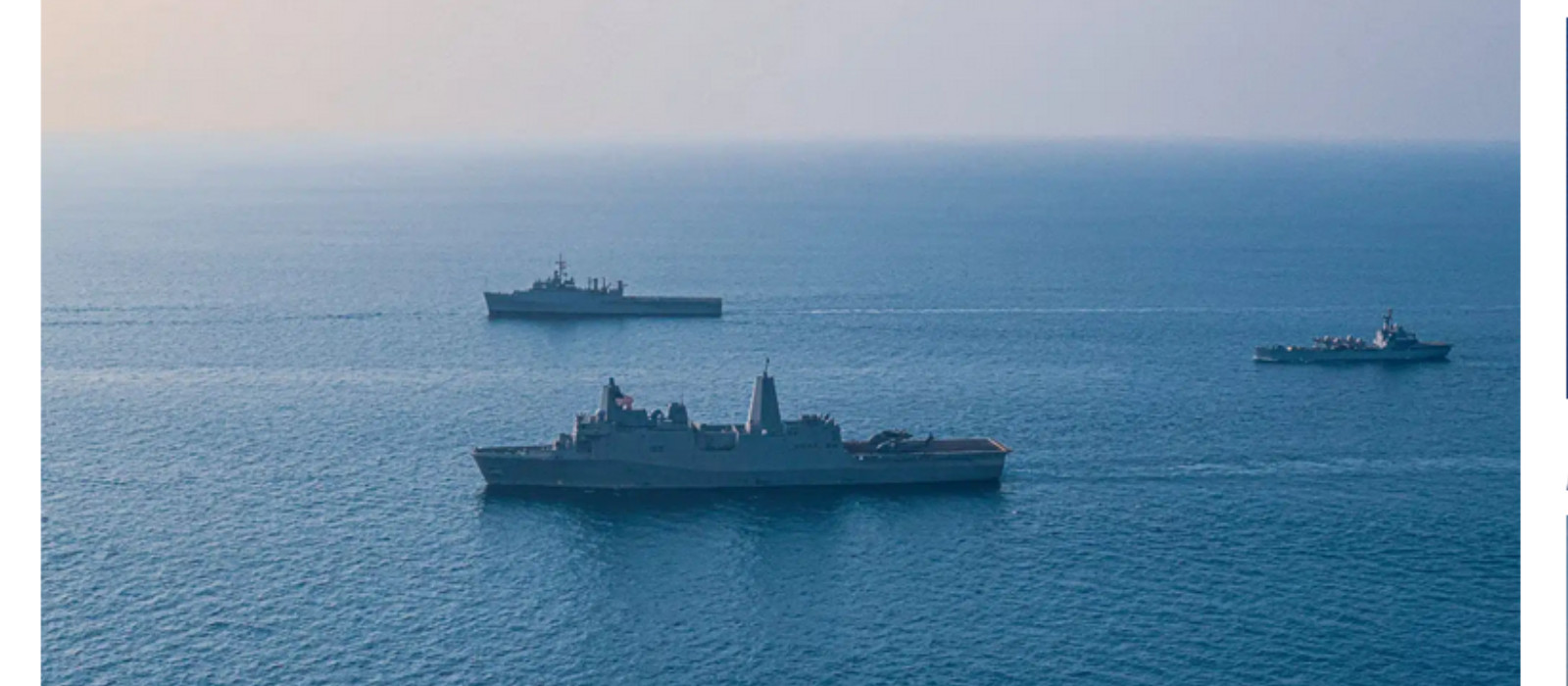
Disclaimer: This is a revised and updated text of an occasional paper originally published in 2020 b...
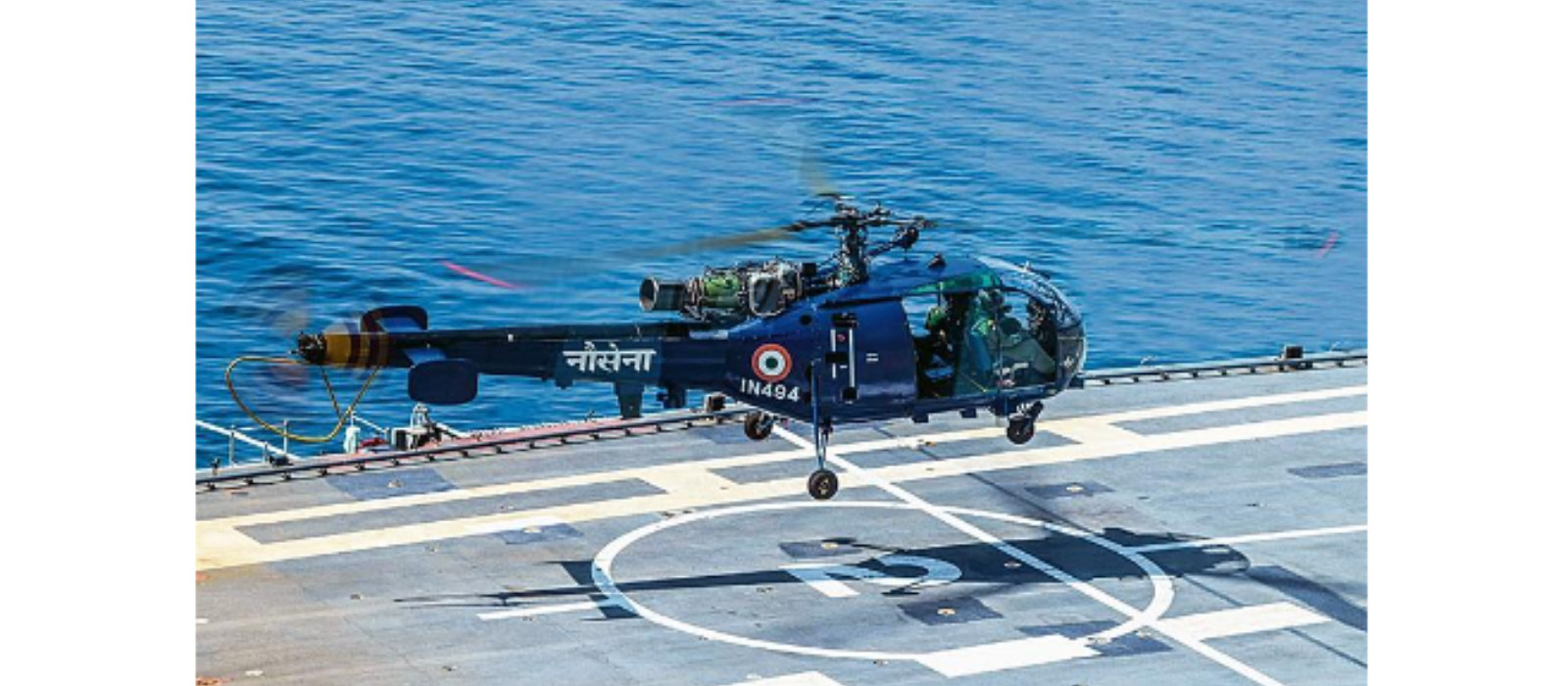
“The air constitutes a battlefield of equal importance.” Giulio Douhet1 Introduction The Indian ...
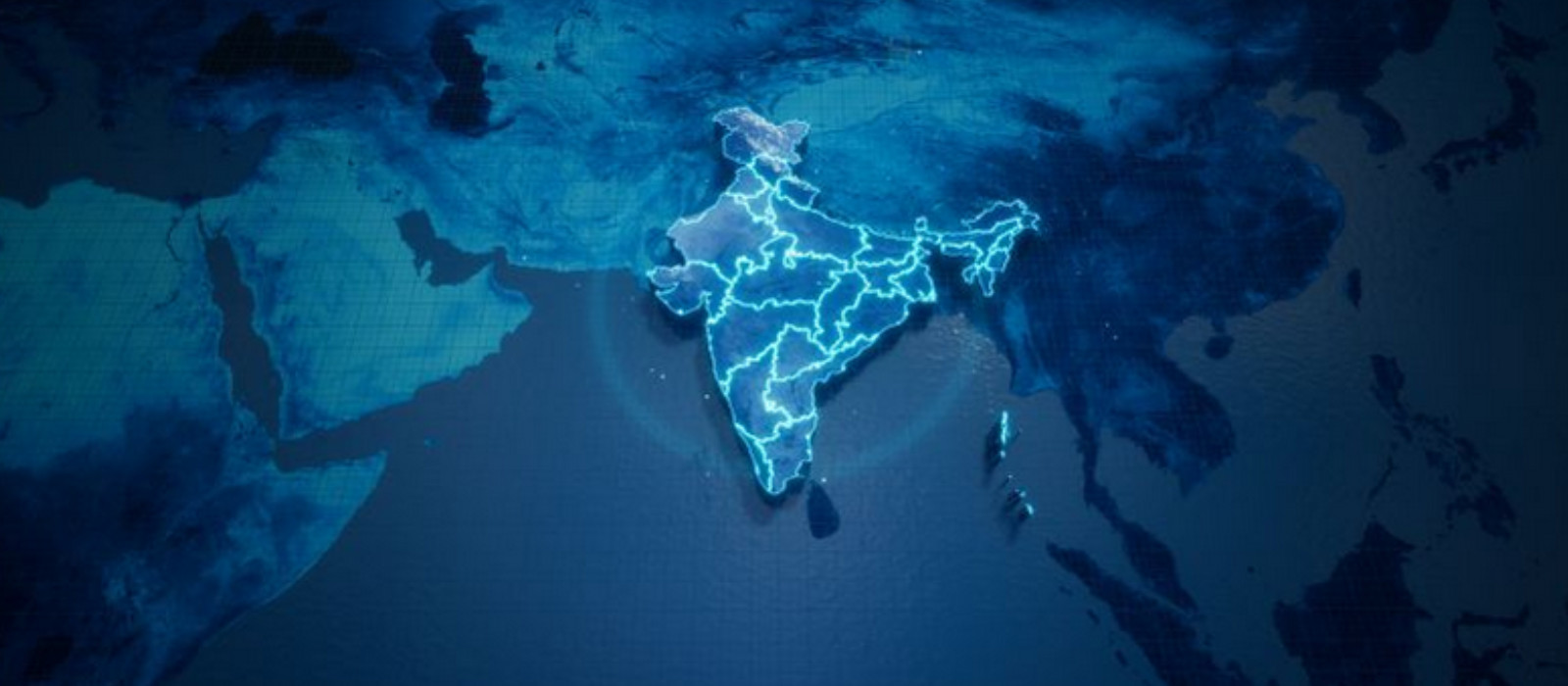
Introduction Stephen Jay Gould has argued that “the truly awesome intellectuals” have woven vari...
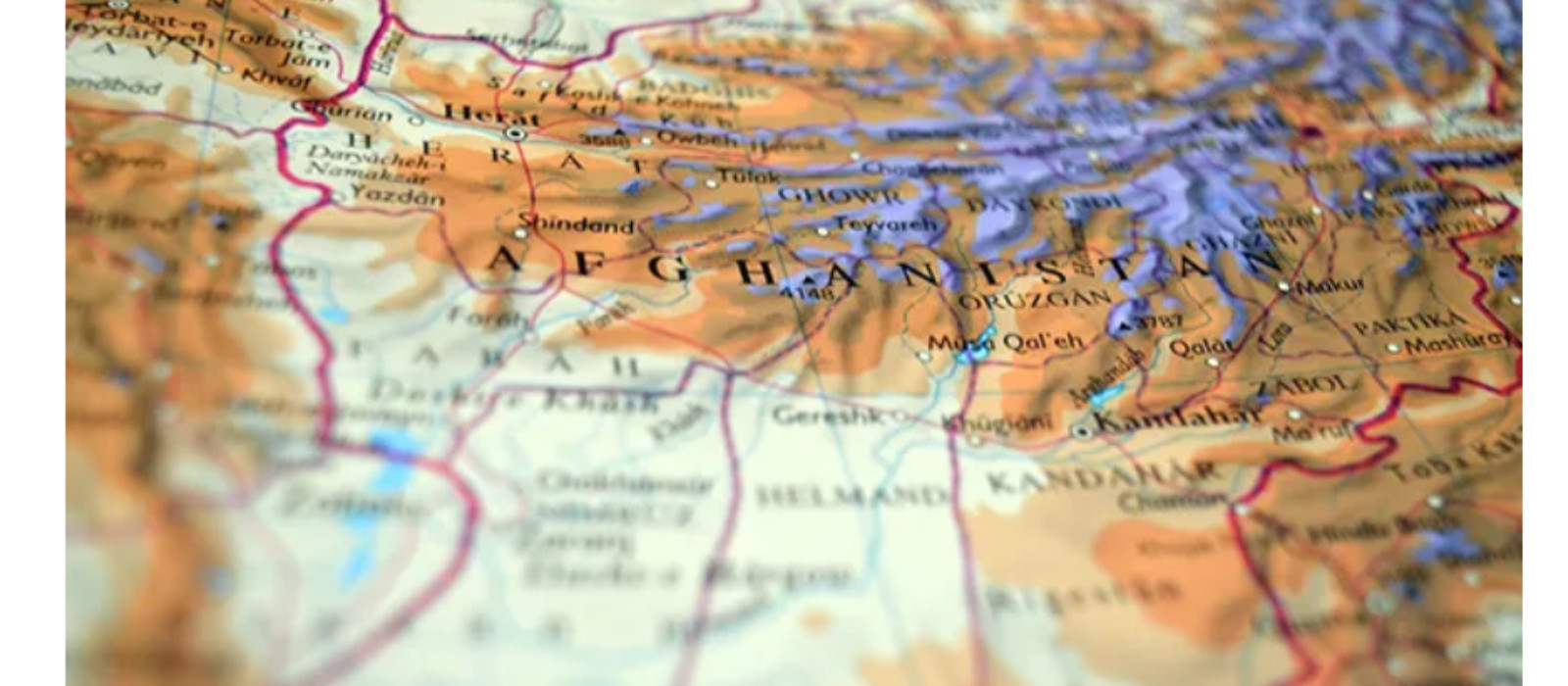
Introduction Kabul fell into the hands of the Taliban on 15 August 2021, thereby bringing to close t...

“No matter what political reasons are given for war, the underlying reason is always economic.”1...
Introduction A navy is about roles, mandates, deployments, training, preparedness, maintenance and t...
Disclaimer: This essay was the prize-winning essay in the IN’s Commodore Nott Annual Essay for 202...
Editorial Note: (This is a sequel to an earlier article titled: Paper Seeking Missile) Krepkiy Oboro...
Prologue The Indian Ocean Region (IOR) is home to 2.5 billion people, one-third of the world’s pop...
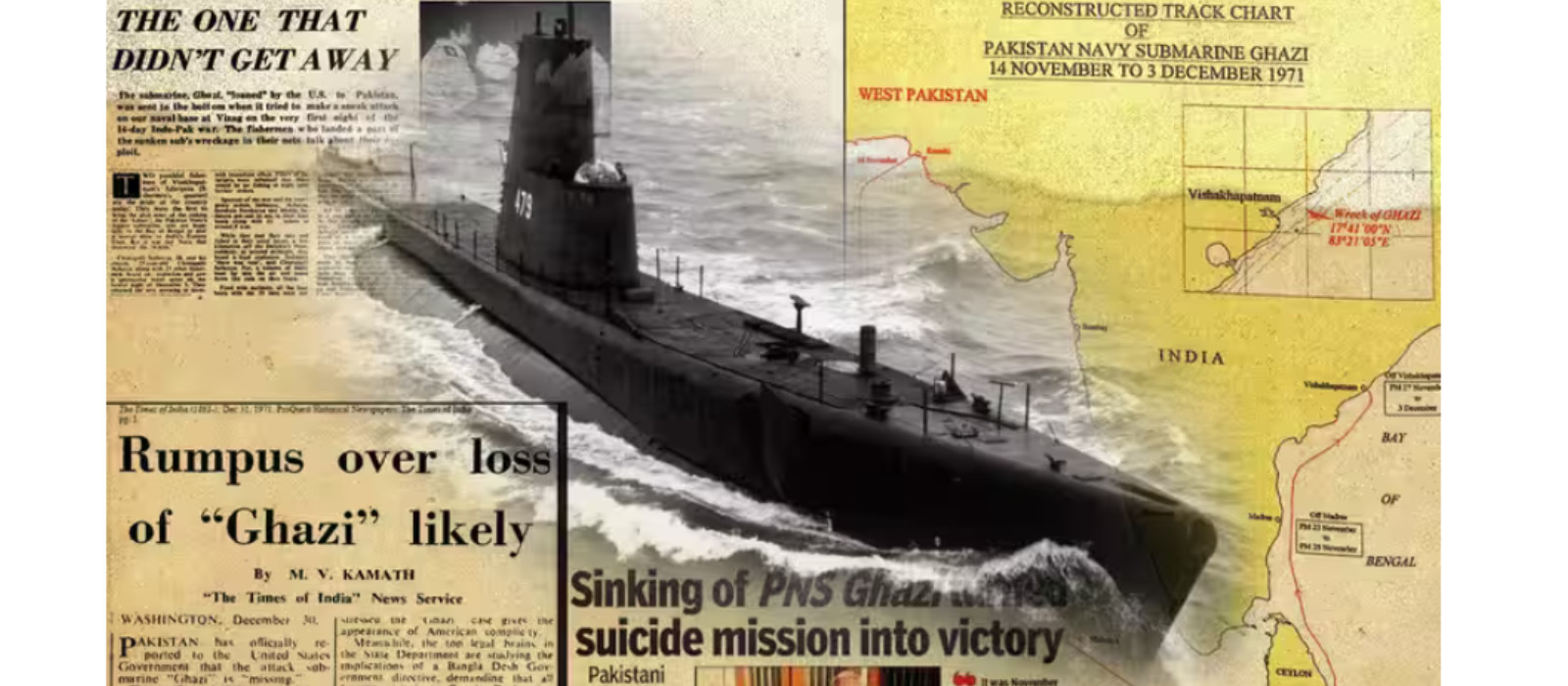
The 1971 Indo-Pakistan war, fought a half-century ago, remains one of the few post World War II conf...
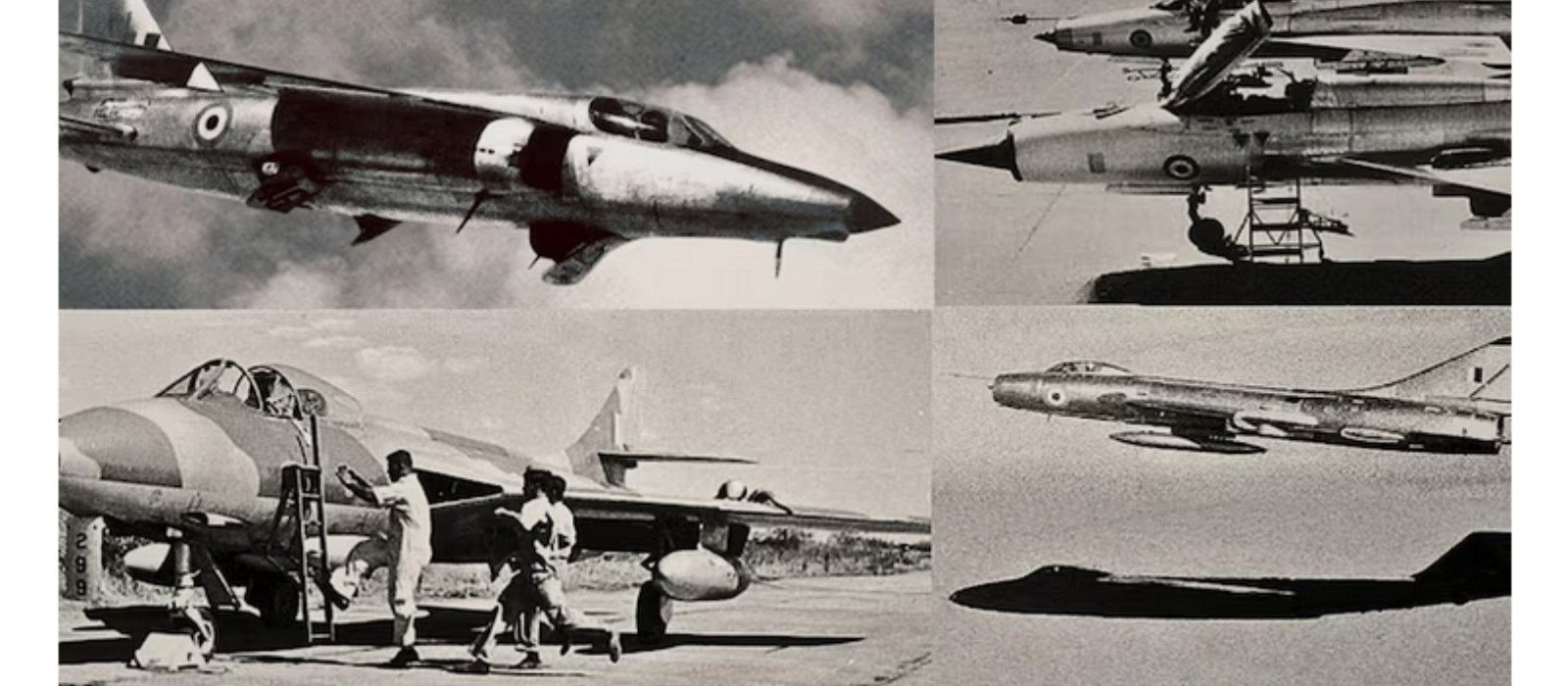
Editorial Note: This article is a combination and expansion of two articles centred on the 1971 conf...