

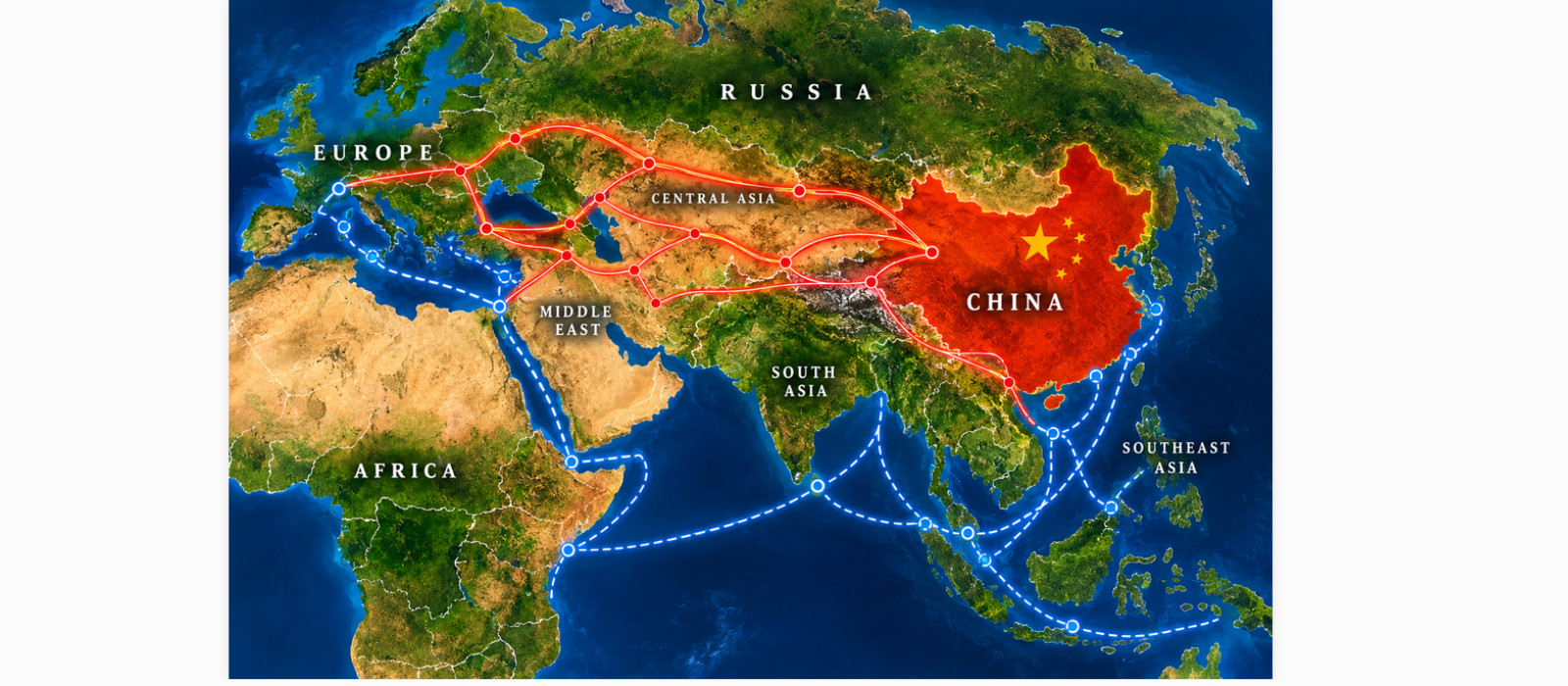
MACKINDER, EURASIA AND CHINA’S ONE-BELT-ONE-ROAD: MACKINDER FOR THE TWENTY-FIRST CENTURY
The lines quoted above reflect Mackinder’s own summary of his Tworld view, developed since his fir...
 C/O Naval War College, INS Mandovi, Verem, Goa, India. 403109

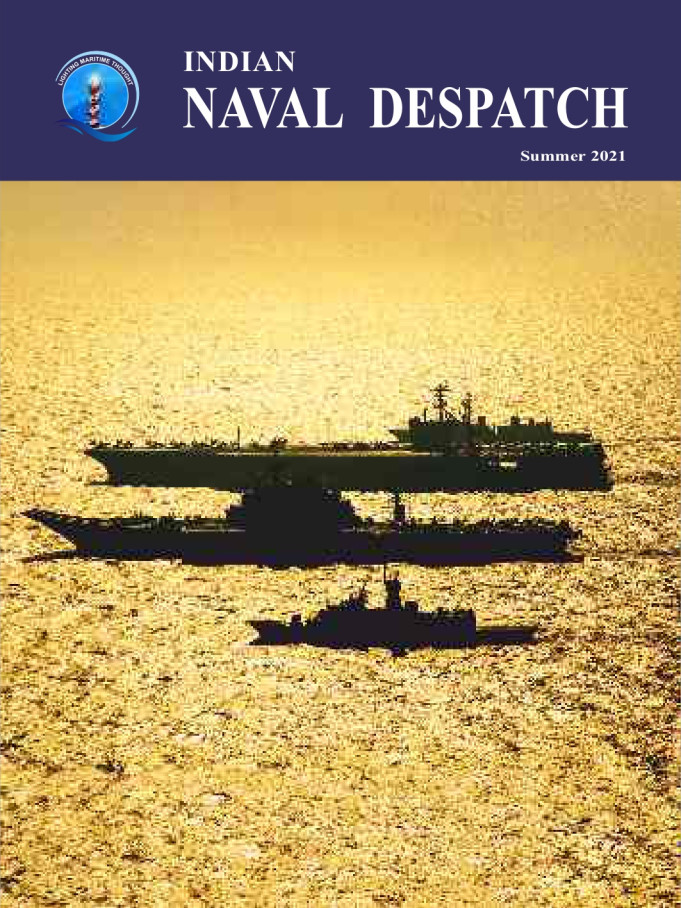


On many a distant shore and in many a professional wardroom?
This is the first editorial that I am writing in the second issue of the Indian Naval Despatch (INDES). The inaugural issue was published in Winter 2020. The Indian Navy asked me to helm the journal as ‘Editor-in-Chief’ a few weeks back and how could I not have accepted this great opportunity and the challenges that keep it company? The objectives that the Navy has set for itself have been mentioned by the Commandant in his Foreword.
Personally for me, the need for a journal that flies the Indian Navy’s ensign, in a manner of speaking, was sowed decades back. As a very young officer I became an avid reader of the USNI’s Proceedings magazine. A few decades later, I wrote a lament within a Review Essay written for Maritime A?airs (Summer 2013) published by the National Maritime Foundation. It was also carried by the British Naval Review (NR) in Feb 2014, with the NMF’s permission. In the book Dreadnought to Daring: 100 Years of Comment, Controversy, and Debate in The Naval Review, there is a range of thoughtful essays that delve into how the NR might have contributed to the Royal Navy and beyond from 1913-2012. The extract below from that essay reflects what today’s naval leadership has ordered the NWC and our editorial team to “make it so!”
“In our own Service we have many publications - some feel perhaps too many - of erratic frequency, varying quality of contents and yet with much that could be useful. Perhaps there is a case for some consolidation, stress on self-censorship but more candour. This writer feels that unlike some other navies, we still lack something that we ourselves and the world could recognise as the IN’s ‘flagship magazine.’ The Naval Despatch could, but does not as yet, meet that aspiration, especially of a Service that is respected, admired and tracked on many a distant shore and in many a professional wardroom.”
The task we set for ourselves with confidence and with humility is to slowly have the INDES read with satisfaction on many a distant shore and with contributions not limited to many a professional wardroom. We will look forward to articles from senior sailors’ messes as well.
How is that to be achieved? I am not entirely certain, but I am convinced that the quality of articles shall matter the most. For one, these could span reiteration or renewed examination of nearly unchanging principles as well as evolving dimensions and contexts of the application of seapower. Secondly, the lessons of history, sometimes others’ but even more so in the Indian context, could yield benefits that might profitably inform a better understanding of the present and improved readiness for the future. We are going to celebrate the 50th anniversary of the 1971 war with Pakistan; sometimes called a “coming out party” for our Navy. That may be a compliment perhaps, but could we use it to analyse the deeper issues that resulted in the marginal role the IN played in the 1965 war; the gaps in jointness, or some examples of poor tactical planning and execution in 1971? Or, look into the role seapower played in the rise as well as fall of the Chola empire? The larger point being suggested here is that much of Indian military history output, especially since 1947, has been celebratory. This, of course, has its place and merit, but it need not be the overwhelming strain. Other avenues are available for describing tactical valour, but INDES could dig deeper into operational and strategic level shortcomings even as brilliance at this level was also evident, especially in 1971. Hopefully, the INDES will provide a platform to examine and analyse history that is not dominated by the more preferred ‘mentioned-in-despatches’ genré. Let me add a remarkable point made by a sailor-historian, Rear Admiral James Goldrick, RAN (Retd), that the Chinese - as did Mahan himself - seem to be examining anew some of Mahan’s works as much to understand why the French failed as the British succeeded.
Thirdly, observations and critical reflection that span tactical, operational and strategic levels of warfare, as well as materiél and training aspects of seapower ought to occupy our thinking and writing. The USNI Proceedings sums it up well in its byline, “Dare to read, think, speak and write.” The spirit is reflected in the foreword by the CNS in the inaugural edition of this journal.
Fourthly, candour is not only important, it is vital even within the bounds of prudence, self-censorship and the general tenets of “good order and naval discipline.” These bounds are not at the expense of the benefits that come from rocking the boat about things that do matter or could matter. There are different ways of addressing some of these needs. The Naval Review gives the option of writing under a nom de plume; the names are known only to the editor. The USNI encouraged self-censorship and editorial determination of what may best not be published due to potential security issues. At the same time, I must juxtapose this with a Soviet example. As a Lieutenant, undergoing a weapon and sonar engineering and ASW tactics PG course in the Soviet Naval War College (Academy, in European parlance) from 1985-88, I regularly read their Morskoi Sbornik (Naval Digest). These were the days of the USSR; the handful of IN officers on diverse courses were an oddity because we were the only ones from an actual, liberal, democracy. The Sbornik had excellent essays on what was happening in the “West,” but internal Soviet naval and military matters required careful adherence to party lines and several articles began with stock paeans to decisions of the preceding Communist Party of the Soviet Union (CPSU) Session! The Sbornik’s value was somewhat diminished by the constraints of the Soviet environment. Fortunately, “rigorous discussions” (as underlined by the CNS), contrasting views, and we hope the very best of contributions not only from us ‘argumentative Indians’ but from distant shores as well, will populate our peer-reviewed journal. The endeavour of the NWC and the editorial team shall be to translate that into reality.
In that spirit, it is fitting that the lead essay is by a former diplomat, Mackinder, Eurasia, and China’s One-Belt-One-Road: Mackinder and the Twenty-first Century. It is a very nuanced and unusual examination of Mackinder’s work and contemporary utility. It draws us to the geo-strategist’s works as points of reference as well as of departure. Not only in India but across the world, we sometimes make rather simplistic inferences that put several strategists in neat and separate continental/ maritime/ air and at times even “indispensable/ useless bookshelves.” This essay helps us understand the pitfalls of convenient simplifications that occur if there is over-reliance on secondary sources without sufficiently delving into original works. The lead article provides a good transition to the next essay Maritime Strategy and Terrestrial In?uence. The author is a recent graduate of the Naval Higher Command Course at this College. That it is based on the work he did recently is testimony to the education, opportunity for reading and reflection that can be leveraged here. One hopes that the original works of ancient masters of strategic thought such as Kautilya, Thucydides, Sun Tsu, the later trio of Clausewitz, Mahan and Corbett and more recent individuals like Panikkar, Mao, K Subrahmanyam, Jasjit Singh, Colin Gray… to name a few, shall find authors willing to take up their pens. A caution, that I would like to share, has developed over some years of teaching and exposure to original works. Adjectives like Mahanian, Clauswitzian, or Kautilyan are not really helpful and rarely correct. None of them - again to name just these three - were prescriptive, or commended their thoughts as dogma. Yet, they might remain useful for millennia not completely perhaps, but substantially. So, we hope to receive essays by those who write as analysts, not as acolytes. INDES will have space for these and other masters always. As a platform for thought, I am tempted to quote one such master:
“No definite formulation of the revolution in thought is known to exist, but in the change that came over the organisation of the fleet it is very clearly expressed. It is impossible to examine these changes without feeling ourselves in contact with a new and more scientific conception of naval warfare…Whether or not it was done as the conscious expression of a scientific conception of naval warfare is unknown, but it is none the less interesting, if it was due to the silent pressure of strategical law acting through the hard experience upon a creative mind, and forcing the fleet into the shape demanded.”
This extract from Julian Corbett brilliantly captures the need and benefits of Professional Military Education (PME); the importance of a professional mind to be “the home of thought;” the value of hard experience of officers and commanders; the importance of strategic principles for improved future readiness. (Corbett, in the final chapter, “Lessons of the War,” from England and the Seven Years War: A Study in Combined Strategy, Vol II, Longmans, 1907, 366- 368.)
Other articles in this volume span nuclear deterrence, Chinese joint theatre organisation, the Indo-Pacific, India-UK relations, tethered drones in surface ships, concerns and maritime responses about Mozambique, suggestions about the upcoming Indian Joint Maritime Theatre Command, etc. Towards the final pages is one navy veteran’s personal reflection on the training missile boat crews received on the Soviet Union’s Pacific coast, two years before the 1971 war. There is also some space for book reviews. Here younger officers have reviewed somewhat older books; since older books of course, provide value, we have carried them and reading is itself important. However, the urging is to review books published more recently. So, may I commend this journal to you, and ask you to consider translating your thoughts, concerns, experience, and hopes into essays and shorter articles for the INDES? (There is a brief guide at the end to help a reader. We will soon have comprehensive writing guidelines on the Naval War College, Goa web page on www.indiannavy.nic.in, which will be accessible across the board for all.
Assuredly, the next editorial will be shorter! But, I end with a thought long on hope. The Naval Review observed its 100th year in 2012-13; and the Proceedings will complete150 years of contributing to seapower and more in 2023; the US Naval War College Review will be 75 in 2022. What might well be said about the Indian Naval Despatch in the year 2071 and 2121? That depends upon the current and future teams at Goa and readers and contributors on many a distant shore and in many a professional wardroom and more!
Finally, it bears reiteration that the views expressed in this journal are solely of individual authors and do not represent or reflect the official policy or position of the Naval War College or the Indian Navy.
Fair winds and full sails,

The lines quoted above reflect Mackinder’s own summary of his Tworld view, developed since his fir...
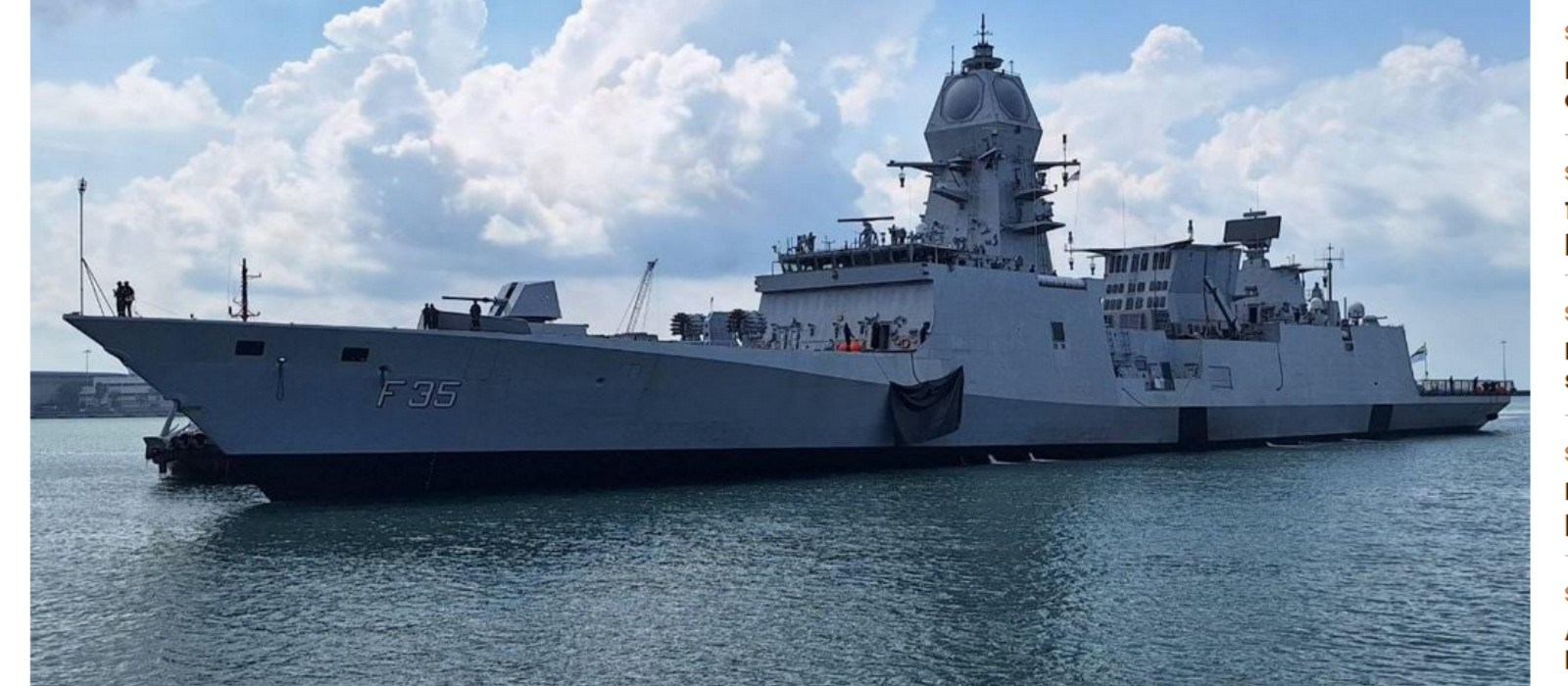
“The supreme test of the naval strategist is the depth of comprehension of the intimate relation b...
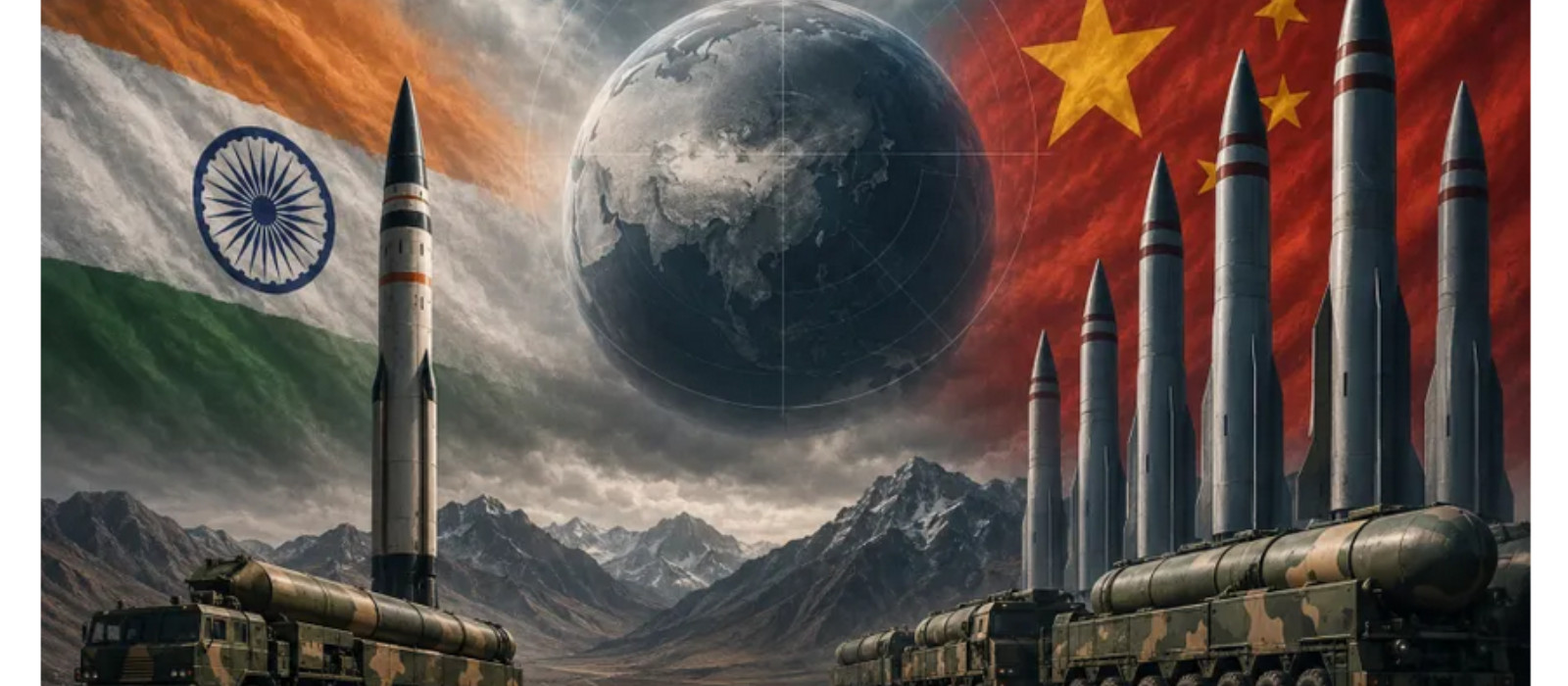
Introduction Attempts to reduce the ongoing tension on the Line of Actual Control (LAC) between Indi...
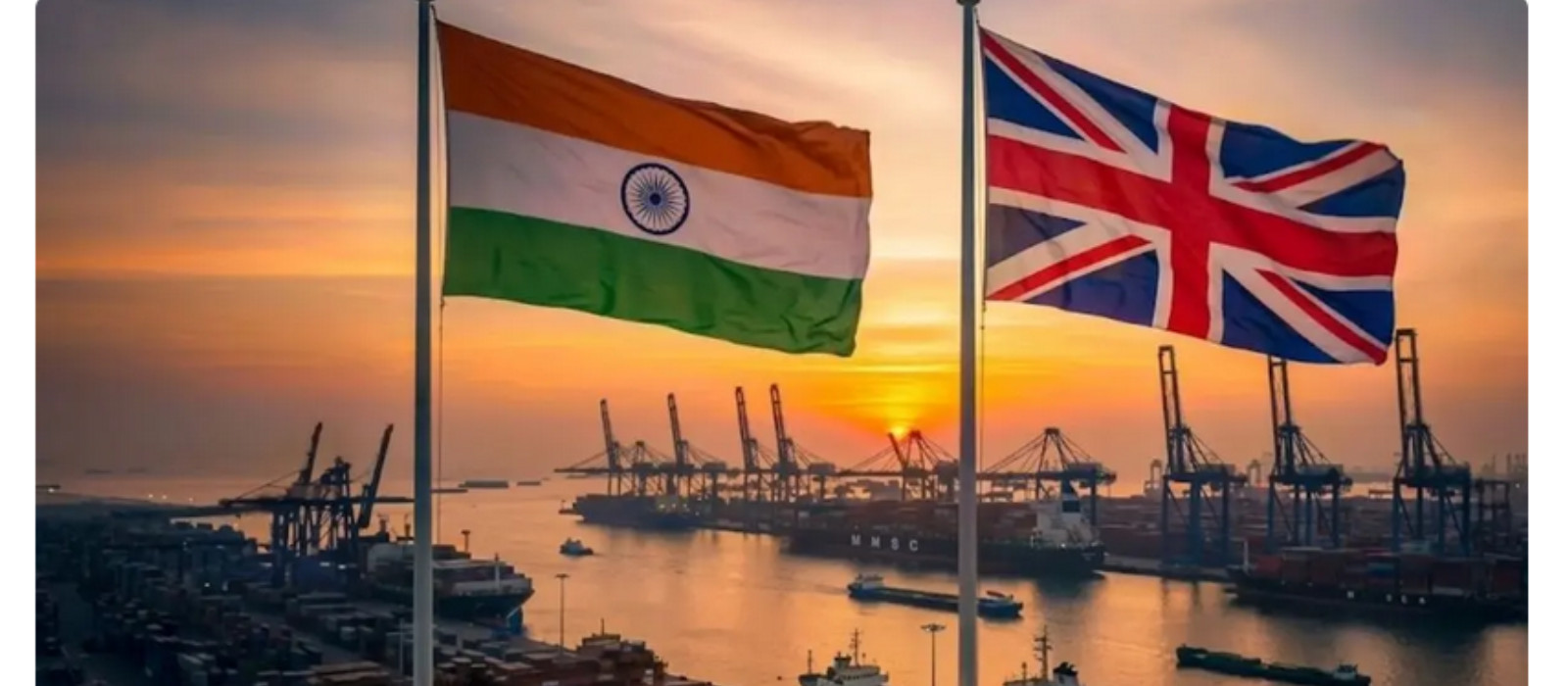
India looms large in the United Kingdom’s (UK) world view as it emerges after four years of politi...
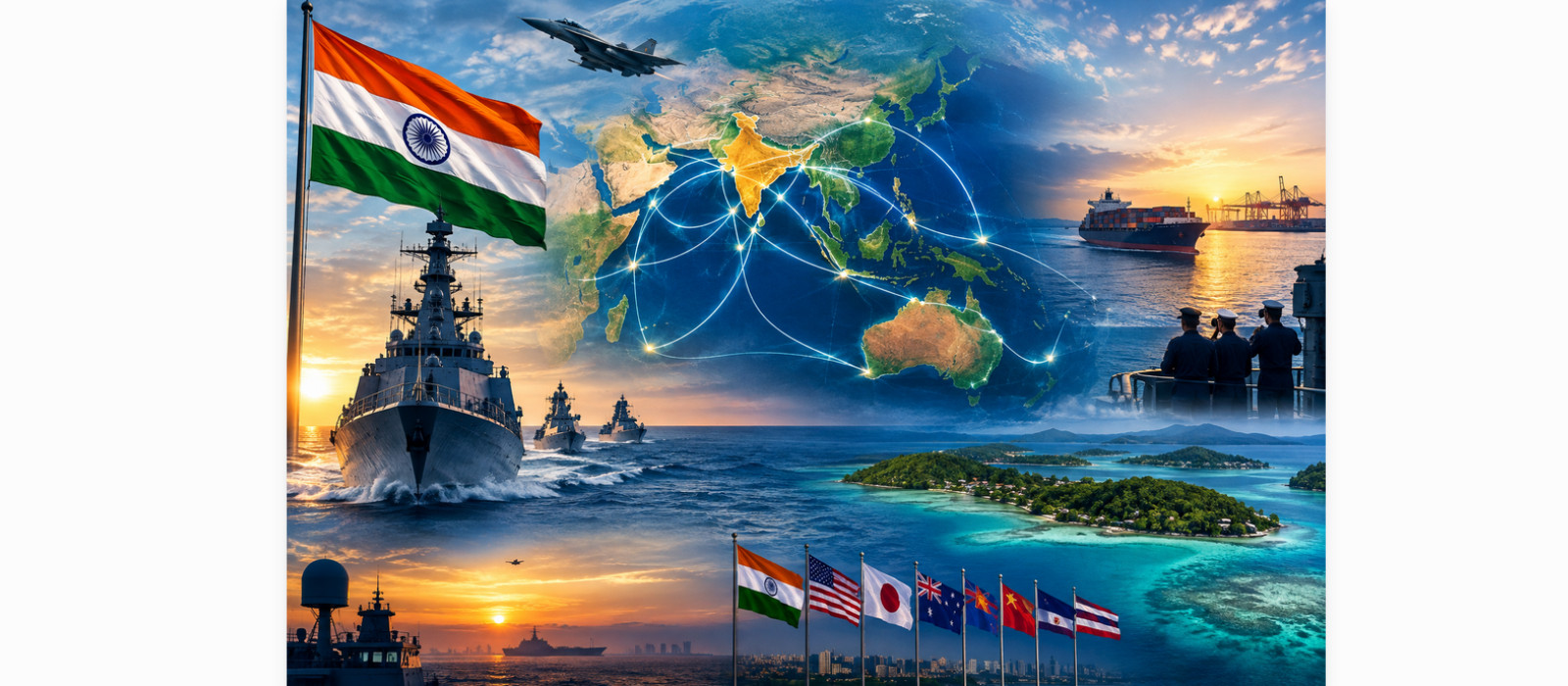
The pursuit of security, stability and prosperity has always shaped the geostrategy of great powers....
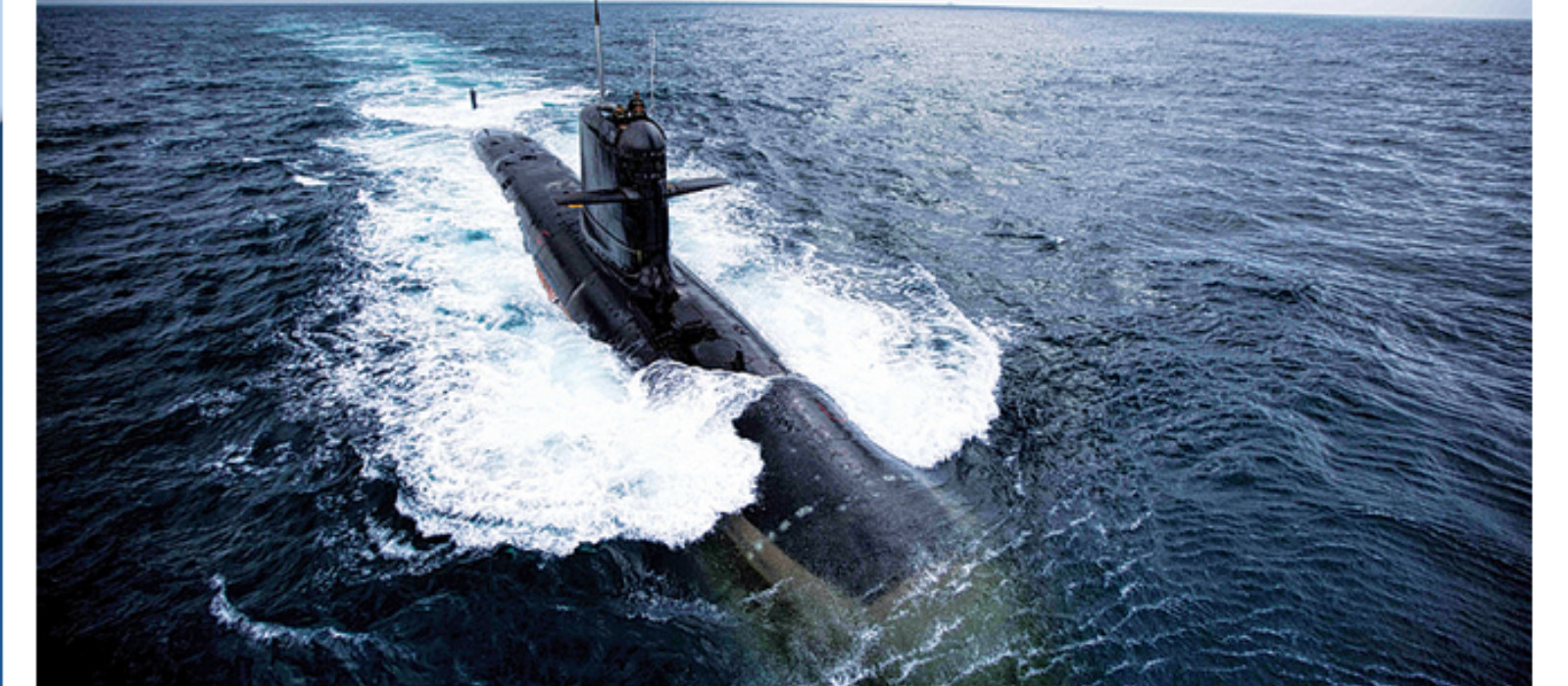
“The only thing that ever frightened me during the war was the U-boat peril.” Winston Churchill,...
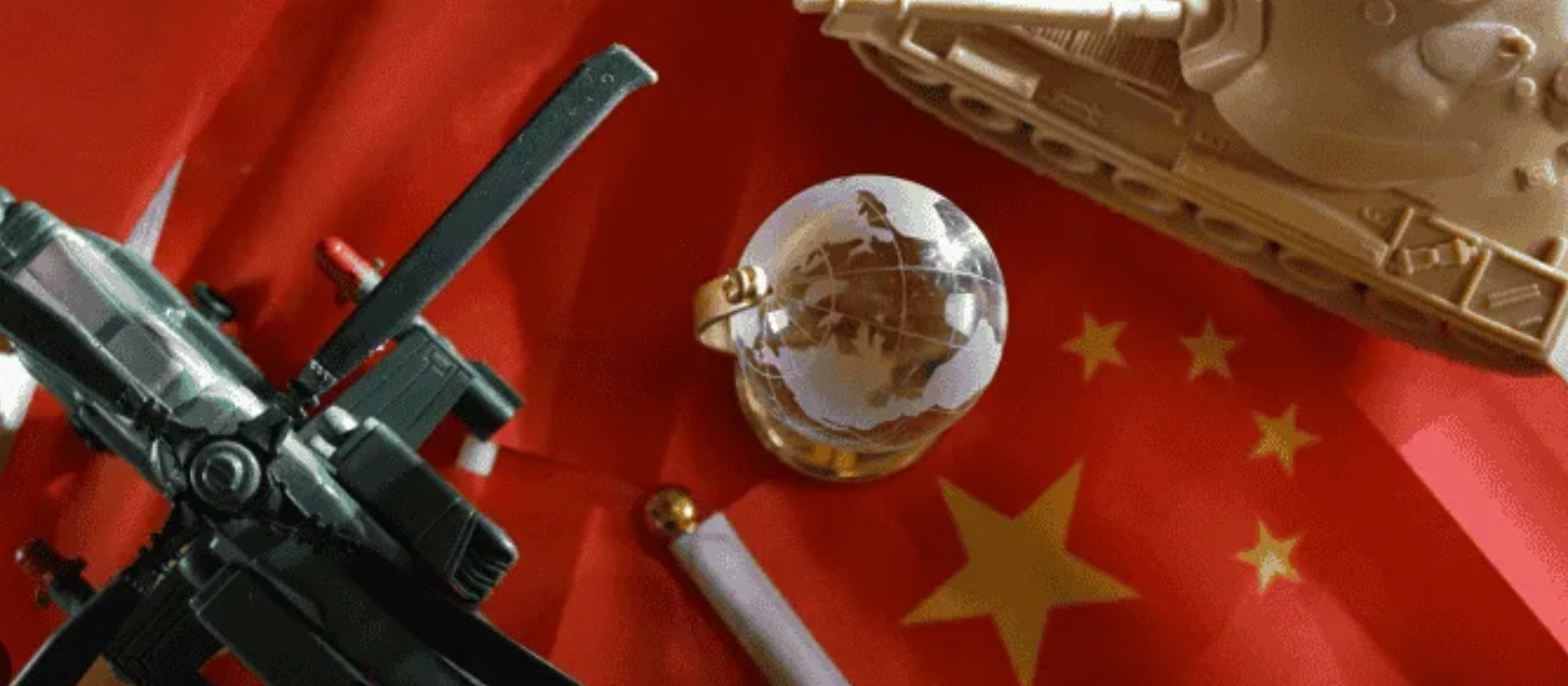
Back to the Future China’s incentive to modernise and reorganise the Peoples’ Liberation Army (P...
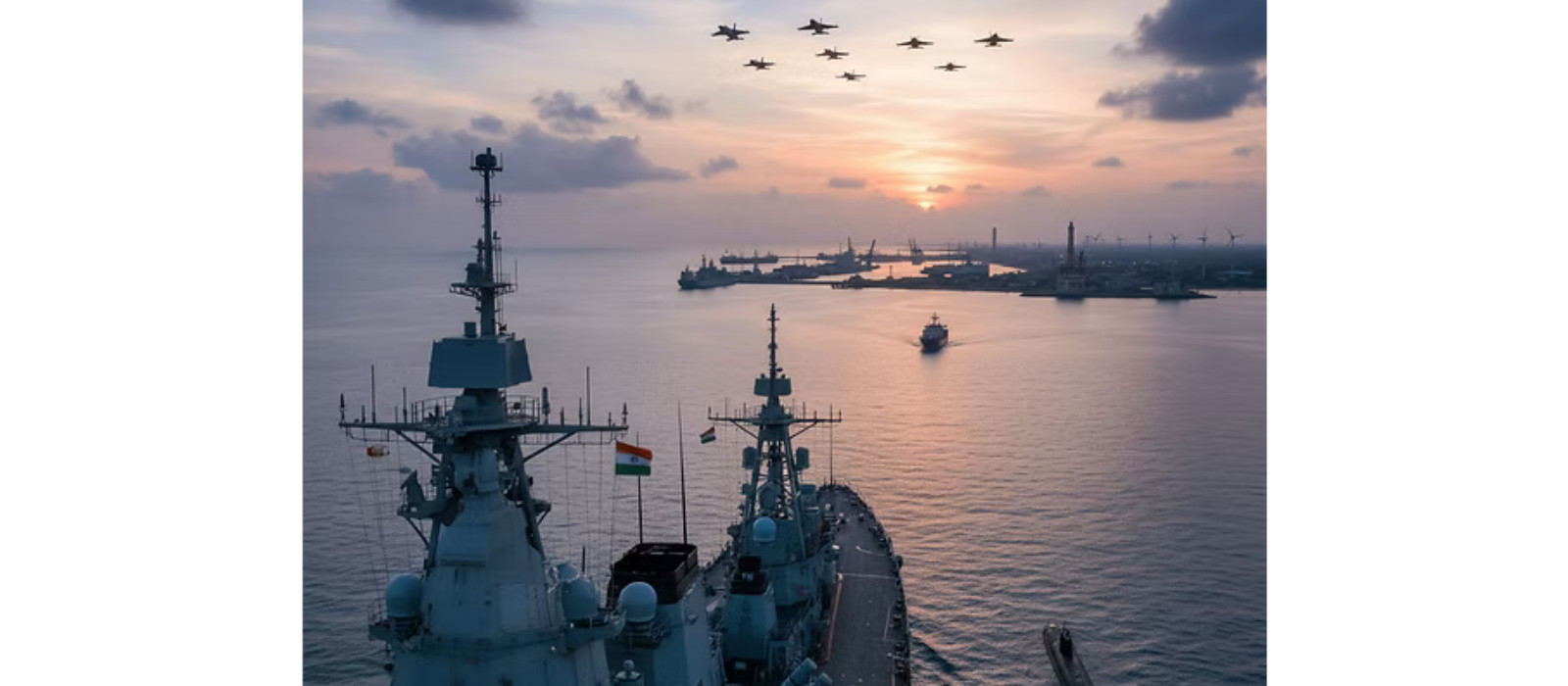
“Separate ground, sea, and air warfare is gone forever. If we ever again should be involved in war...
Nepal went into the throes of a political turmoil in December 2020. This has not been a one-off inst...
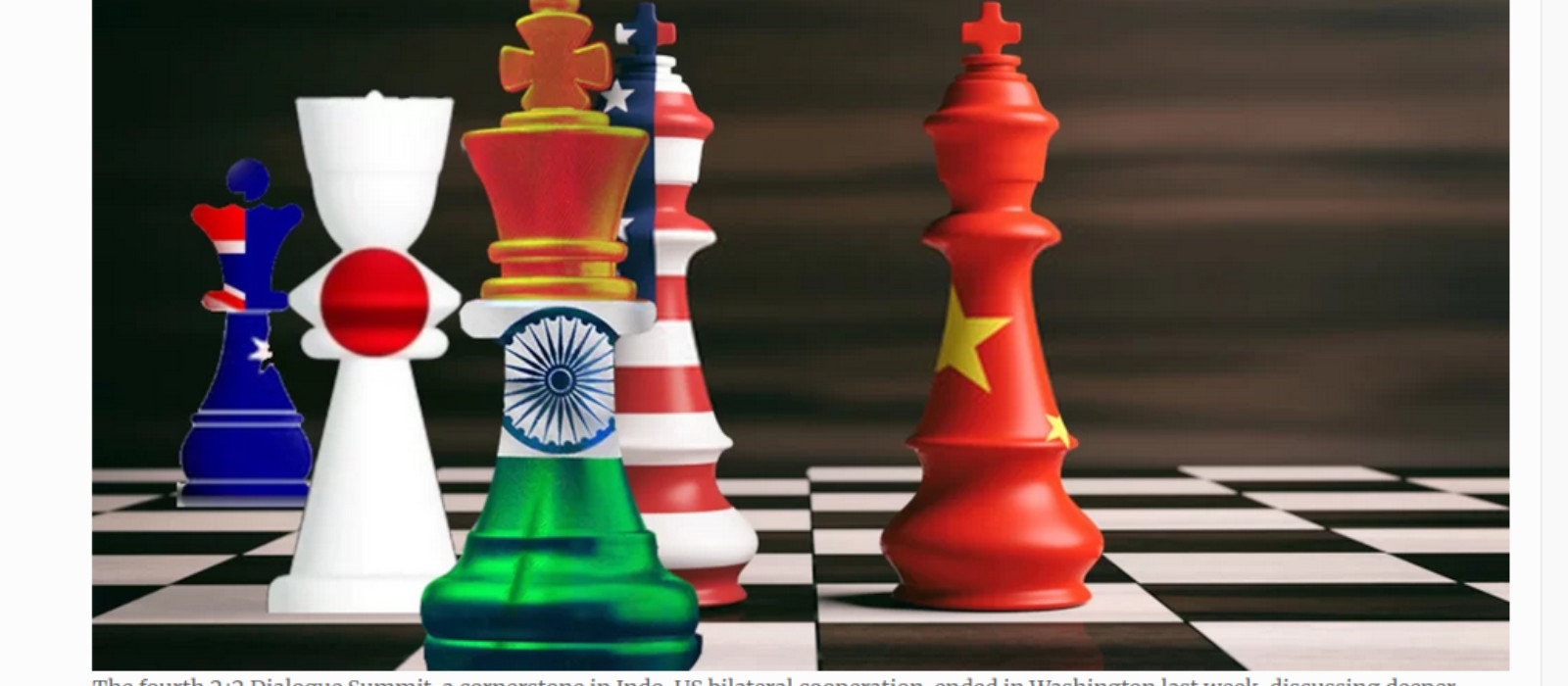
“The Greater Indian Ocean region...will be the centre of global conflicts, because most internati...
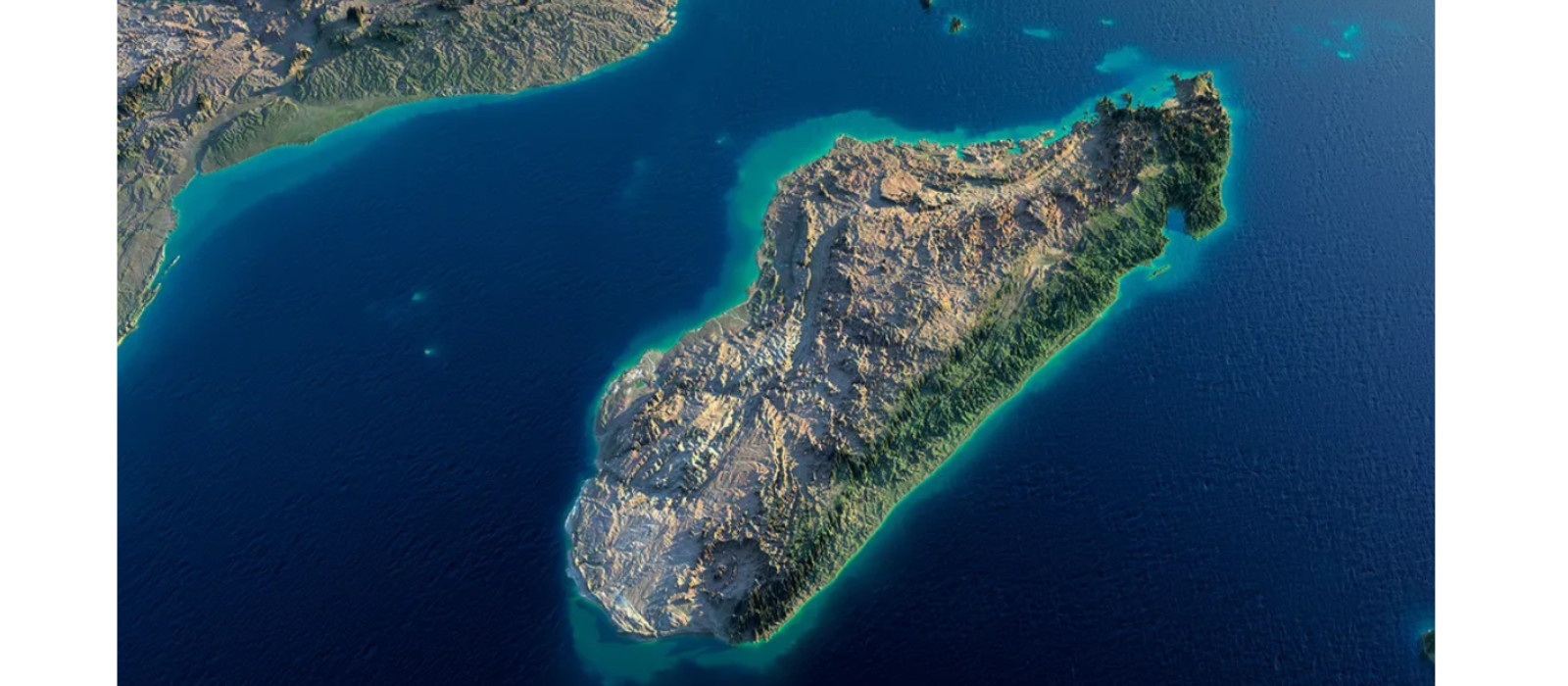
“If India desires to be a naval power it is not sufficient to create a navy, however efficient and...
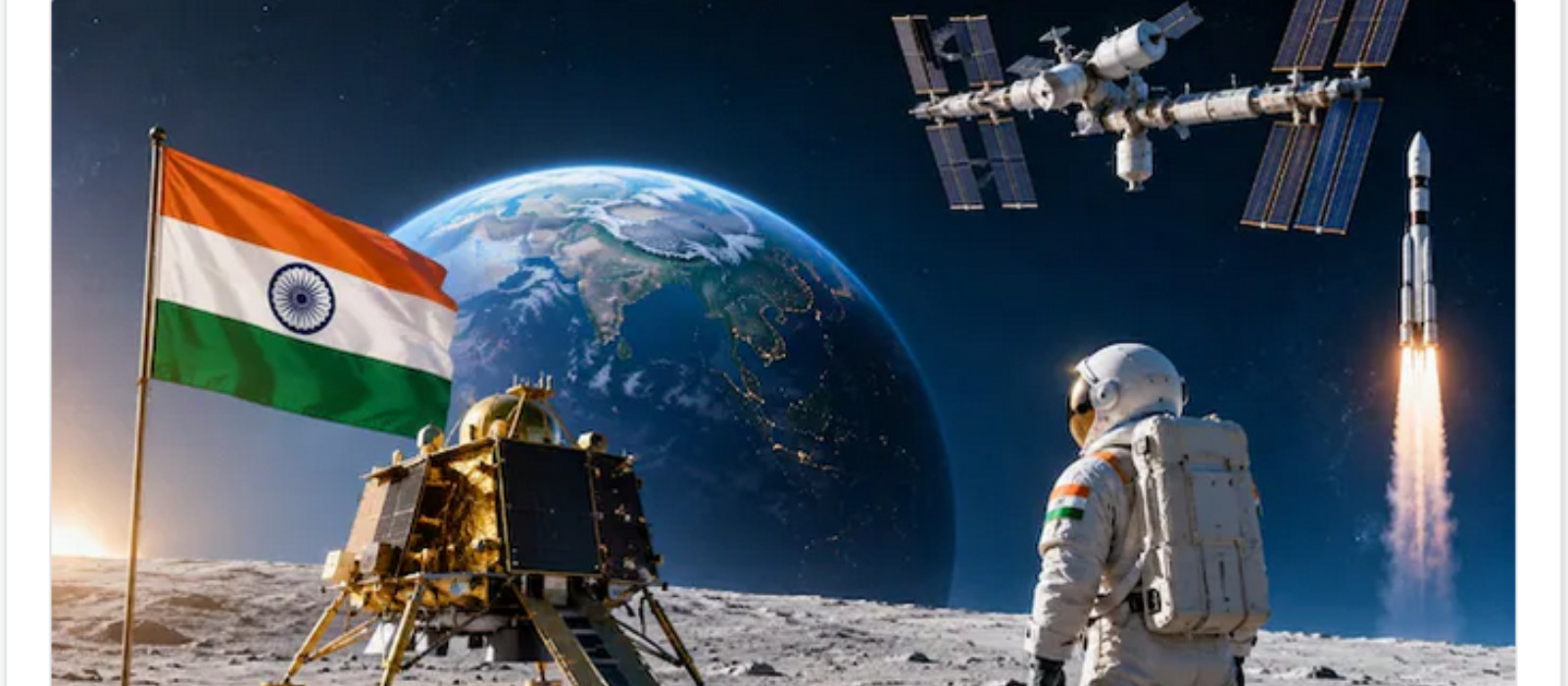
“Space is for everybody. It’s not just for a few scientists or astronauts. That’s our new fron...
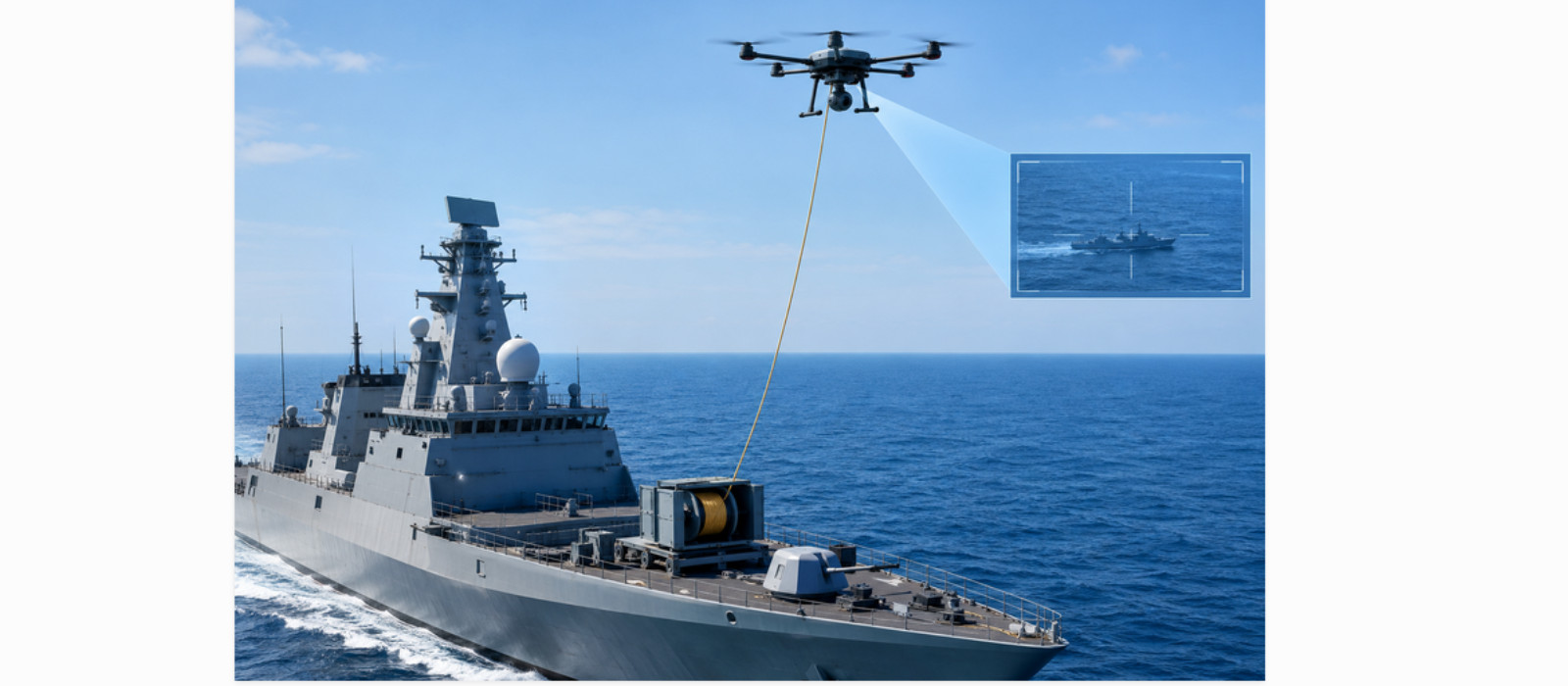
Background The use of tethered balloons for reconnaissance onboard warships was first experimented w...
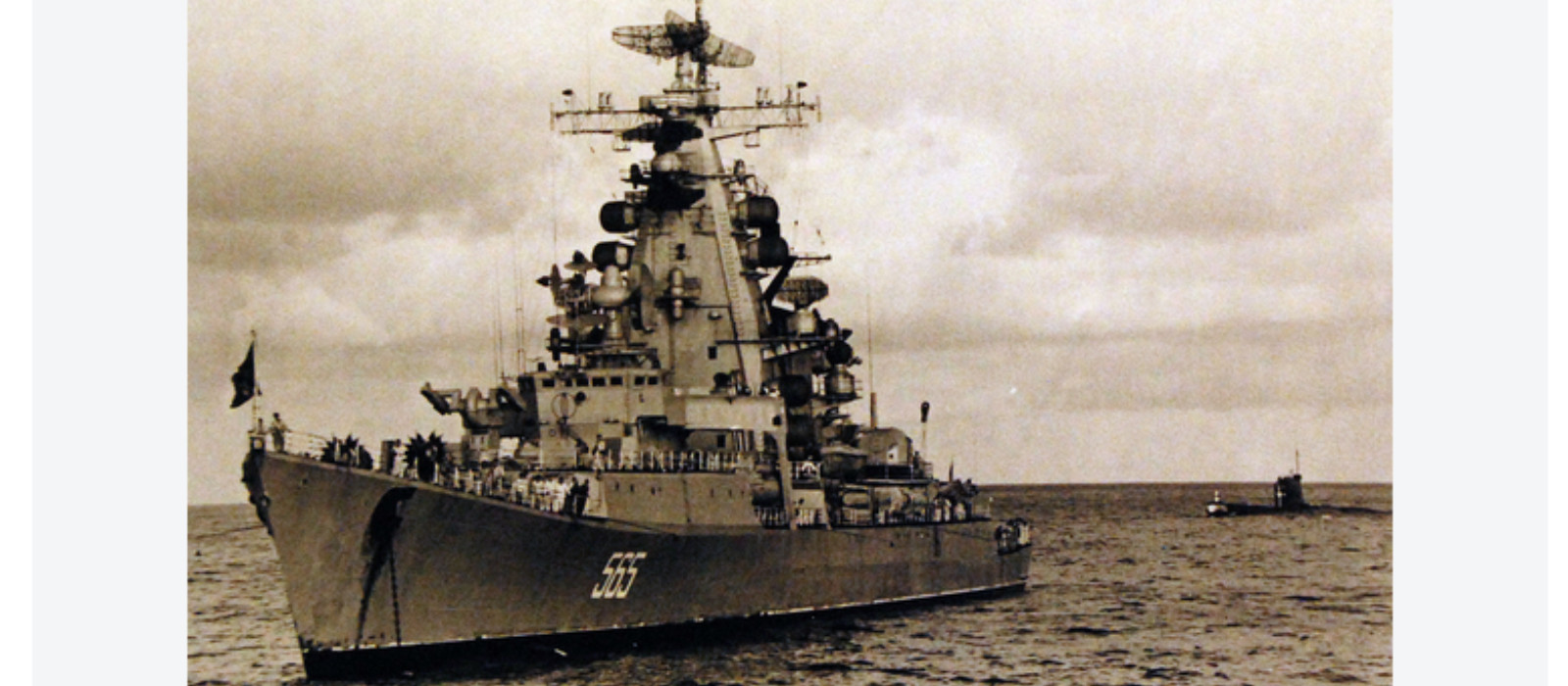
Perhaps the most difficult decade for our armed forces was the 60s. The Sino-Indian war of 1962 expo...