

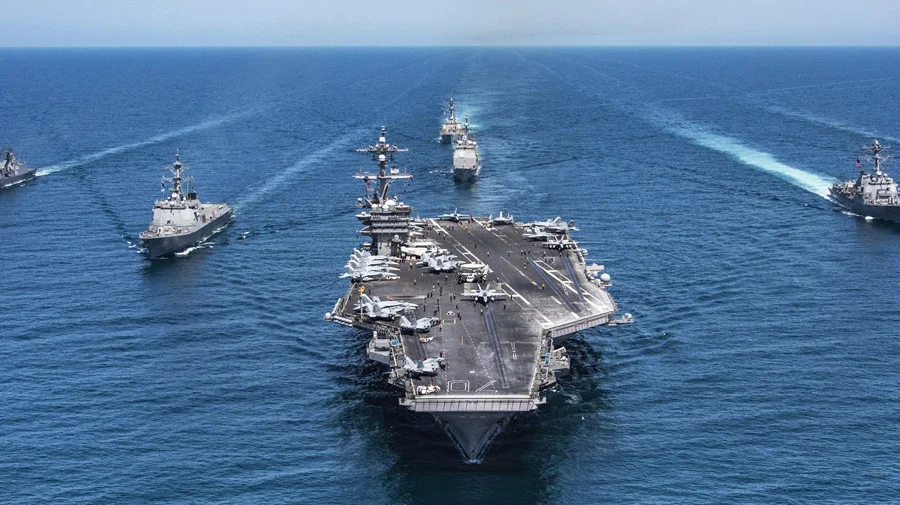
DYNAMICS OF SECURITY IN THE INDO-PACIFIC
Introduction Indo-Pacific, as a term, was introduced by former Japanese Prime Minister Shinzo Abe in...
 C/O Naval War College, INS Mandovi, Verem, Goa, India. 403109

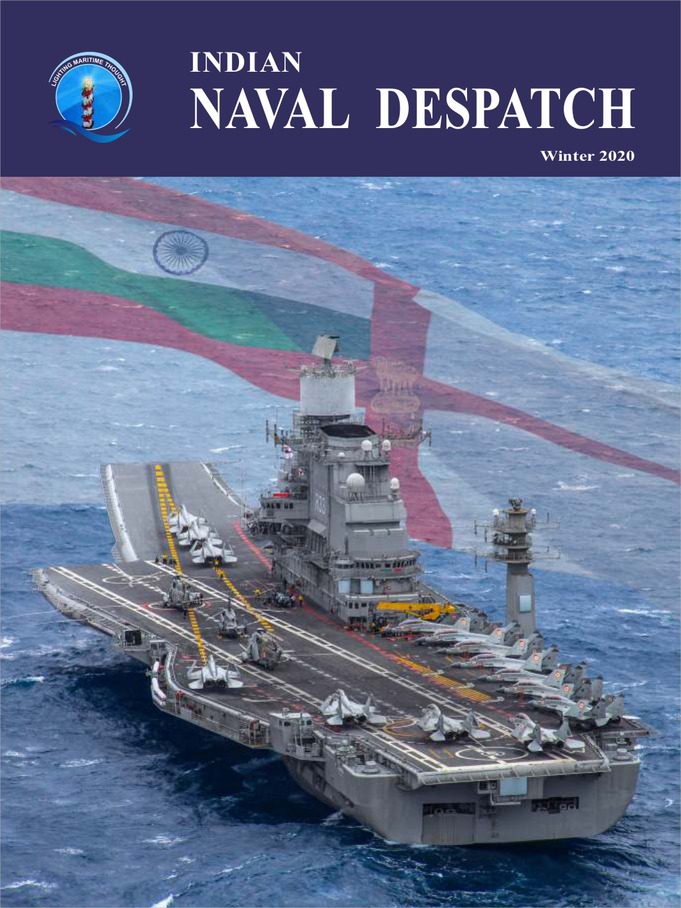


The Naval War College, as the Indian Navy’s apex institute of higher Professional Military Education, has been given the responsibility for conceptualising, collating and coordinating publication of the inaugural edition of the Indian Naval Despatch. It amalgamates the earlier NWC Journal and the Naval Despatch into a single, professional journal, which would be published bi-annually to start with, and eventually become a quarterly. Envisaged as the Indian Navy’s flagship journal, it aims to discuss, debate and deliberate upon the range of professional naval matters, which naval thinkers, planners and practitioners need to grapple with, amidst a dynamic, interlinked, maritime and strategic environment. The journal’s logo, viz. ‘Lighting Maritime Thought,’ reflects this aim. The inaugural edition, accordingly, covers a vast spectrum of genres and themes, viz. geo-politics in the Indo-Pacific, naval strategic thinking, China and the South China Sea, nuances of nuclear deterrence, maritime security cooperation, Covid-19 implications for India, power-play in the Arctic, changing dynamics in Afghanistan and ramifications for India, continental strategy and land warfare in the Indian context, India’s coastal security architecture, communication strategy in the armed forces, fleet maintenance, technology and innovation, and naval history.
The Naval War College, as the Indian Navy’s apex institute of higher Professional Military Education, has been given the responsibility for conceptualising, collating and coordinating publication of the inaugural edition of the Indian Naval Despatch. It amalgamates the earlier NWC Journal and the Naval Despatch into a single, professional journal, which would be published bi-annually to start with, and eventually become a quarterly. Envisaged as the Indian Navy’s flagship journal, it aims to discuss, debate and deliberate upon the range of professional naval matters, which naval thinkers, planners and practitioners need to grapple with, amidst a dynamic, interlinked, maritime and strategic environment. The journal’s logo, viz. ‘Lighting Maritime Thought,’ reflects this aim. The inaugural edition, accordingly, covers a vast spectrum of genres and themes, viz. geo-politics in the Indo-Pacific, naval strategic thinking, China and the South China Sea, nuances of nuclear deterrence, maritime security cooperation, Covid-19 implications for India, power-play in the Arctic, changing dynamics in Afghanistan and ramifications for India, continental strategy and land warfare in the Indian context, India’s coastal security architecture, communication strategy in the armed forces, fleet maintenance, technology and innovation, and naval history.
A rich canvas of contributions were received, and put through a rigorous peer review and editorial process. An encouraging aspect has been that, besides senior experts, there were numerous articles submitted by mid-level officers. It augurs well for the Indian Navy that ‘leaders’ of tomorrow are budding ‘scholars’ today, indicative of enquiring minds and growing intellectual capital, with inclination towards research. This, indeed, is in keeping with one of the stated aims of this platform, viz., harnessing and leveraging maritime thinking.
We hope this inaugural edition of the Indian Naval Despatch will ‘light maritime thought’ and stimulate intellectual, professional debate. It bears reiteration that the views expressed in this journal are solely of individual authors and do not represent or reflect the official policy or position of the Naval War College or the Indian Navy. We look forward to receiving your valuable feedback, suggestions and contributions to improve and diversify the follow-on editions of the journal.

Introduction Indo-Pacific, as a term, was introduced by former Japanese Prime Minister Shinzo Abe in...
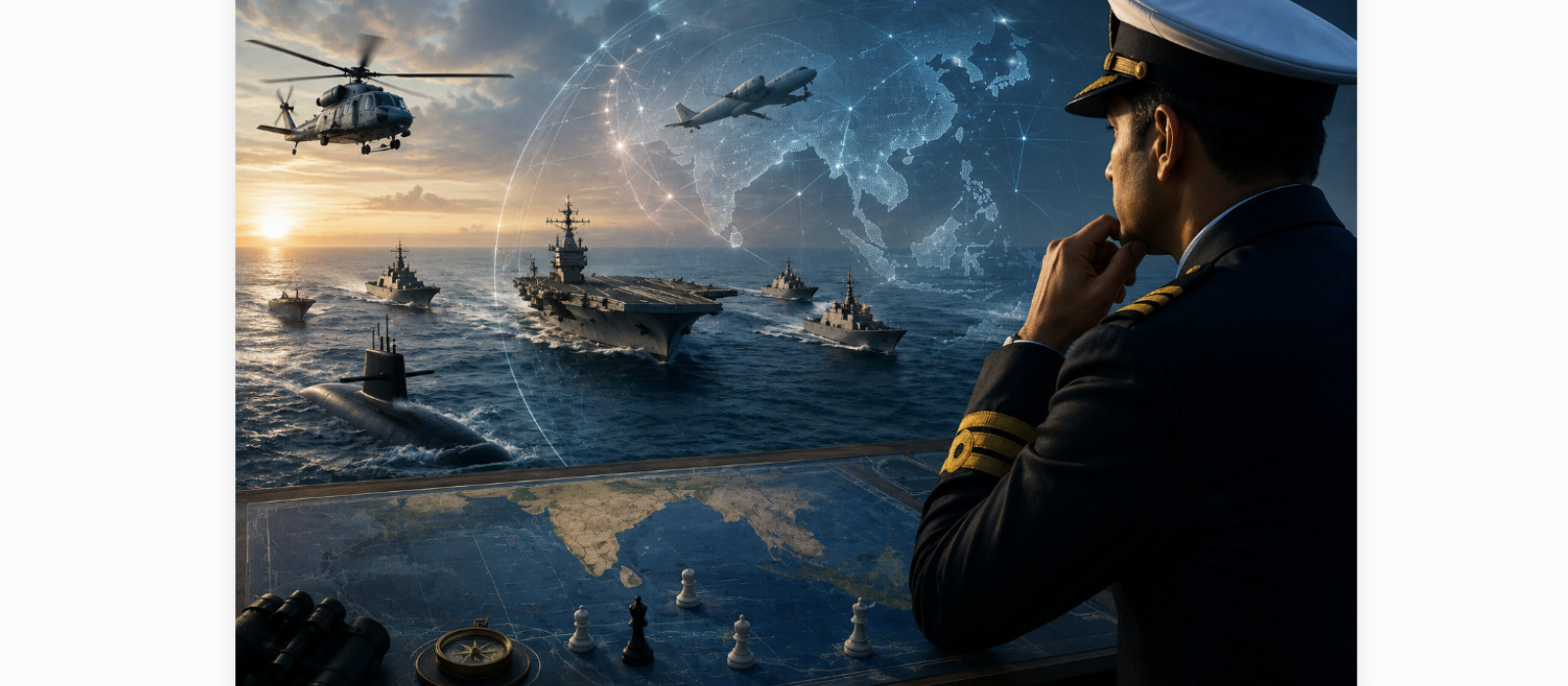
Introduction There is considerable irony in the fact that it took the recent Sino-Indian border conf...
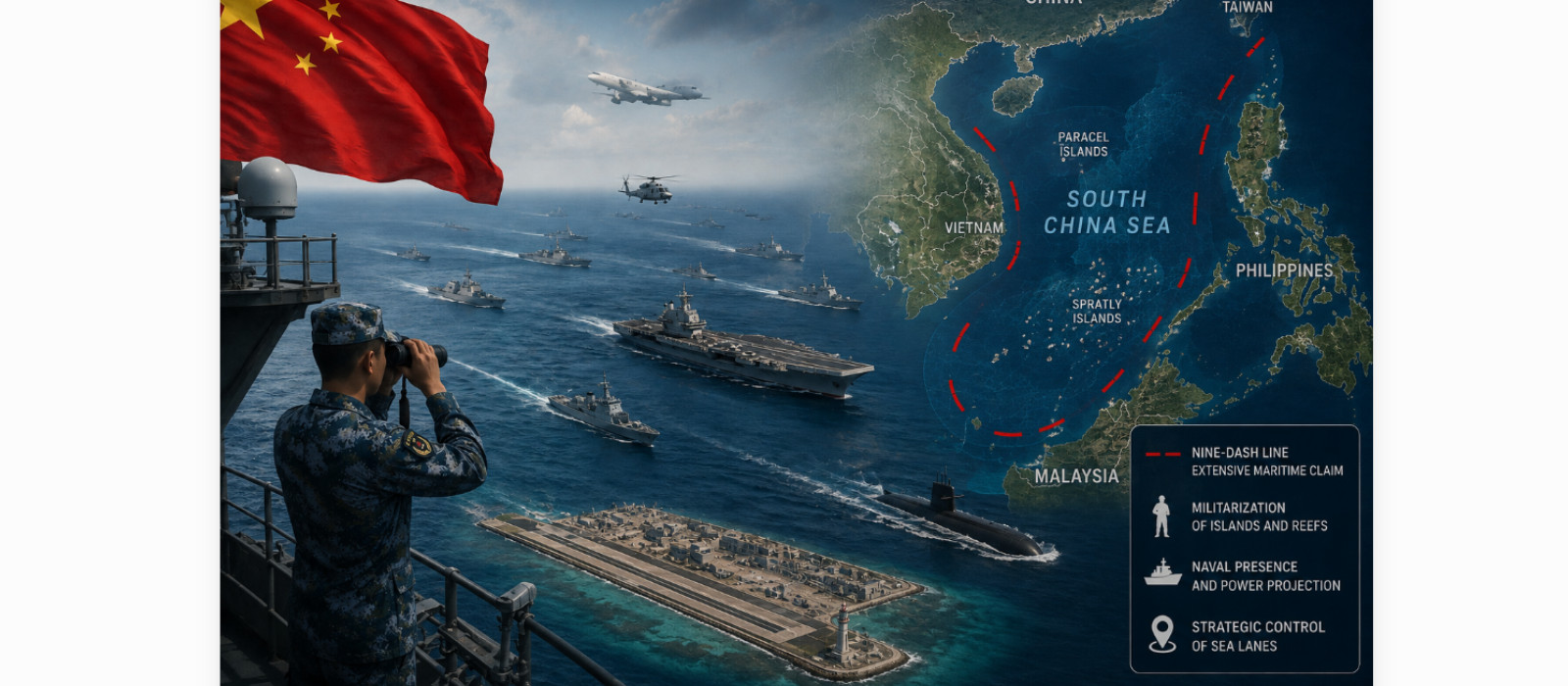
China’s actions in the South China Sea (SCS) offer a fascinating study in the evolution of its mar...
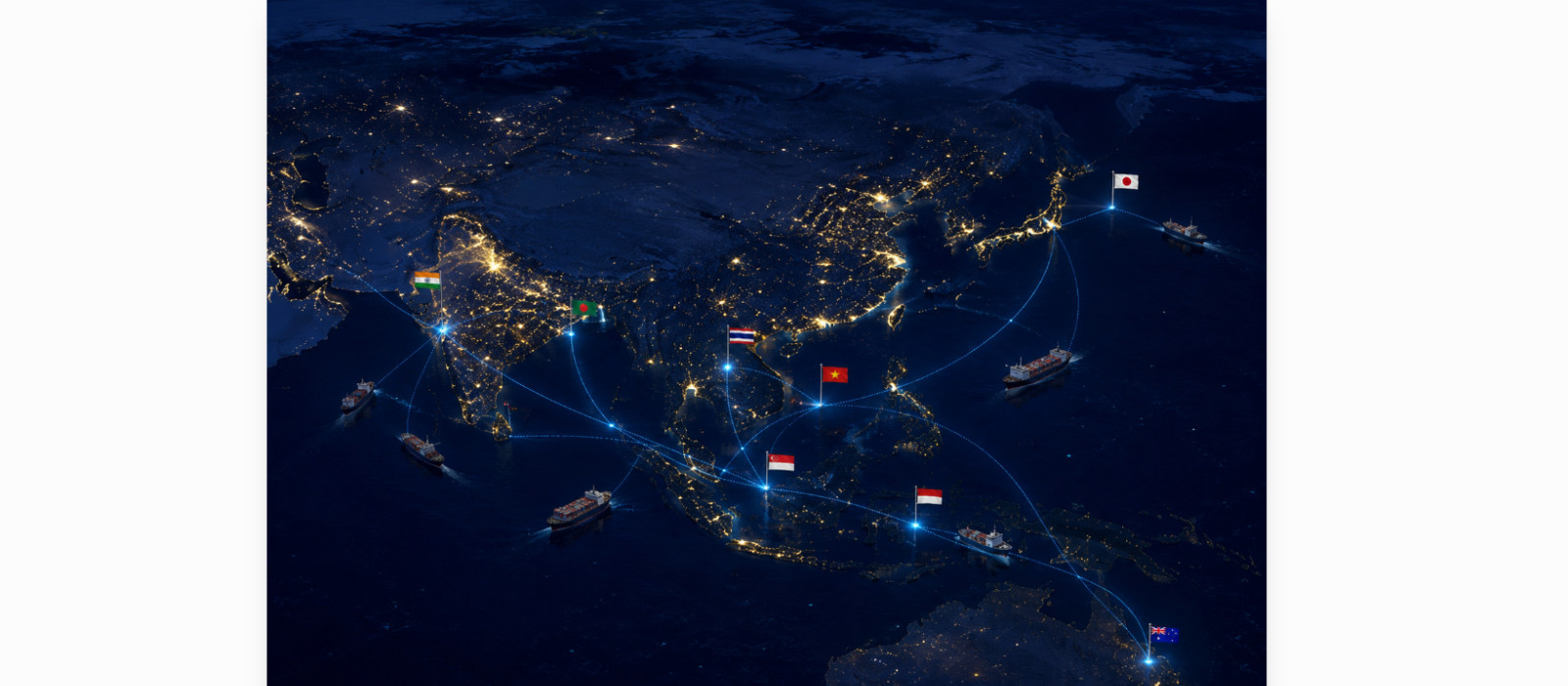
Introduction Southeast Asia has been a region of strategic rivalry for several centuries. As early a...
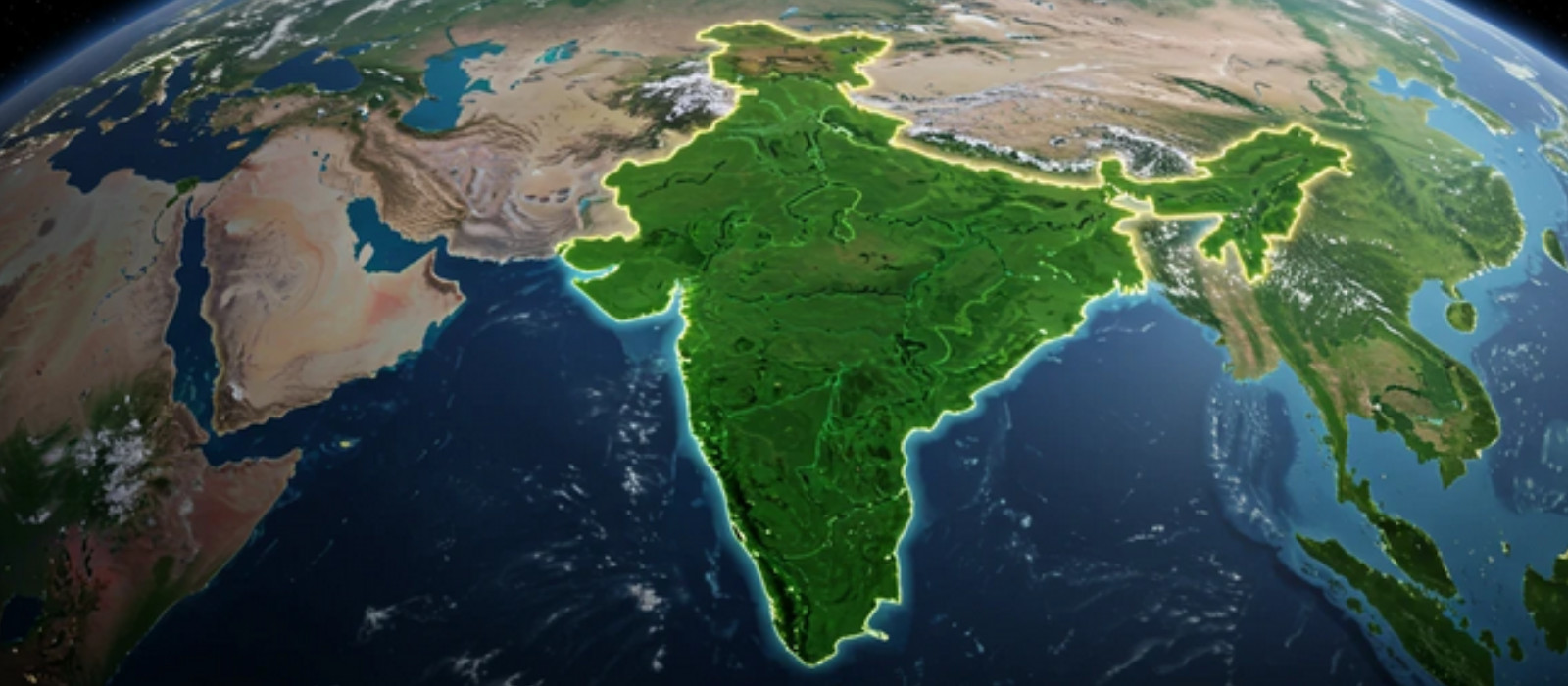
Introduction The contemporary context of the two ocean space of the Indo-Pacific has been an engagin...

Introduction In Ismail Merchant’s classic The Remains of the Day, set in 1930s Britain, the host, ...
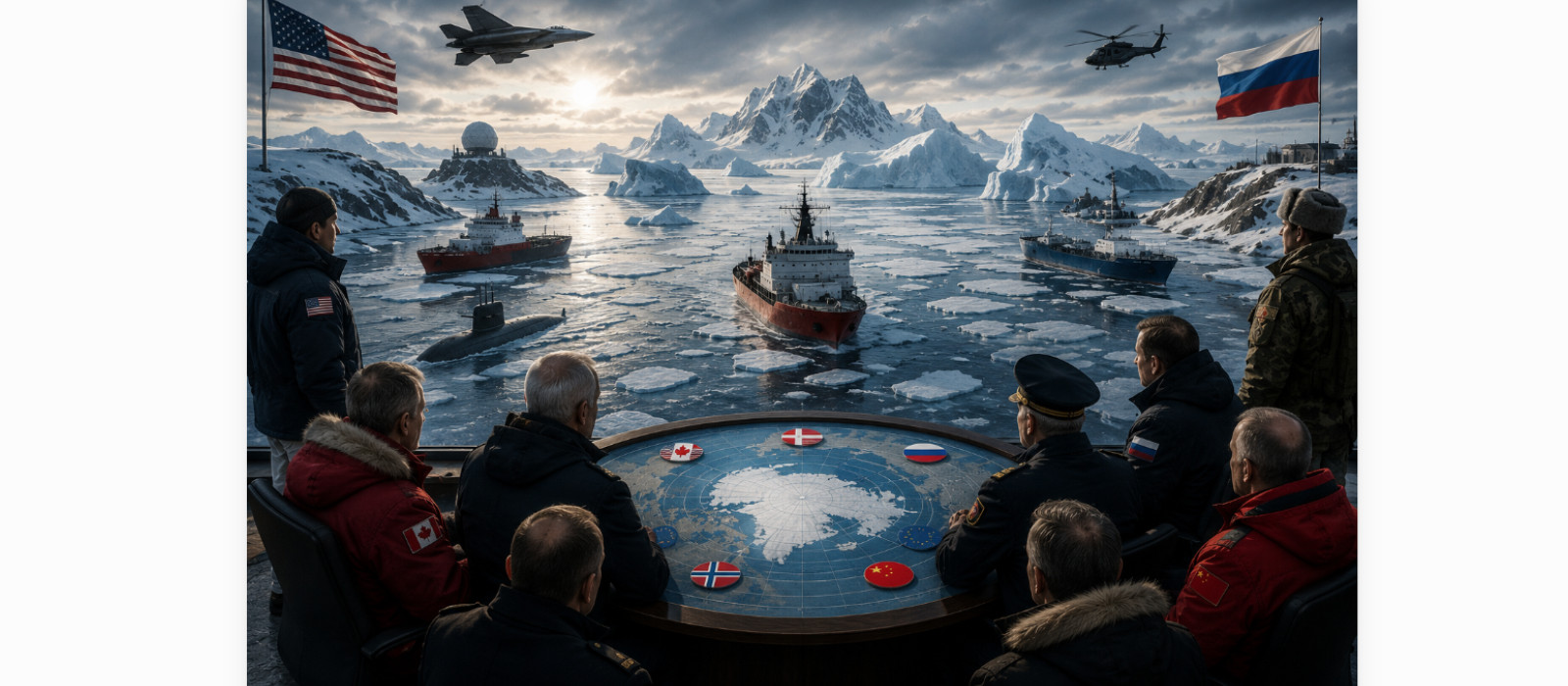
“India has been following the developments in the Arctic region with interest and is also ready to...
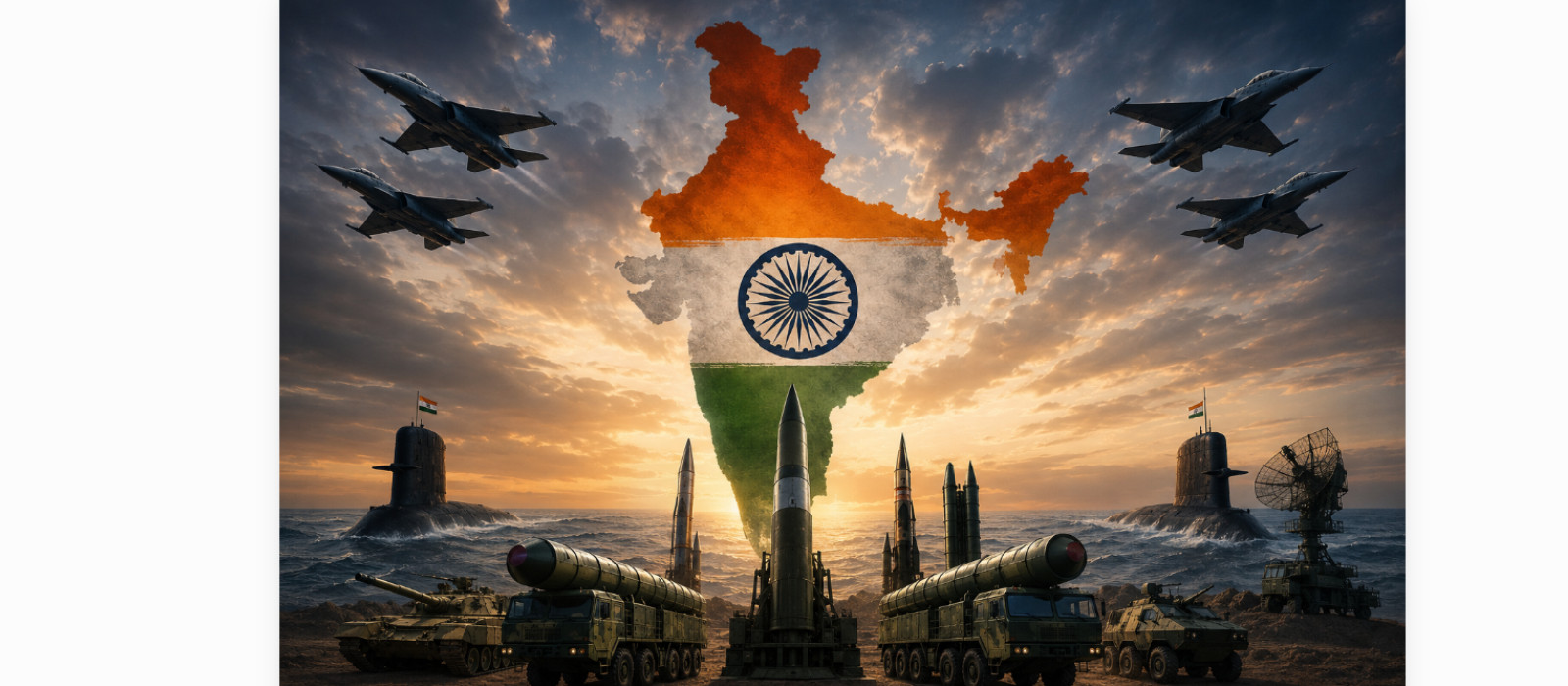
Introduction While it took over four decades for the leaders of both sides of the Cold War to realis...
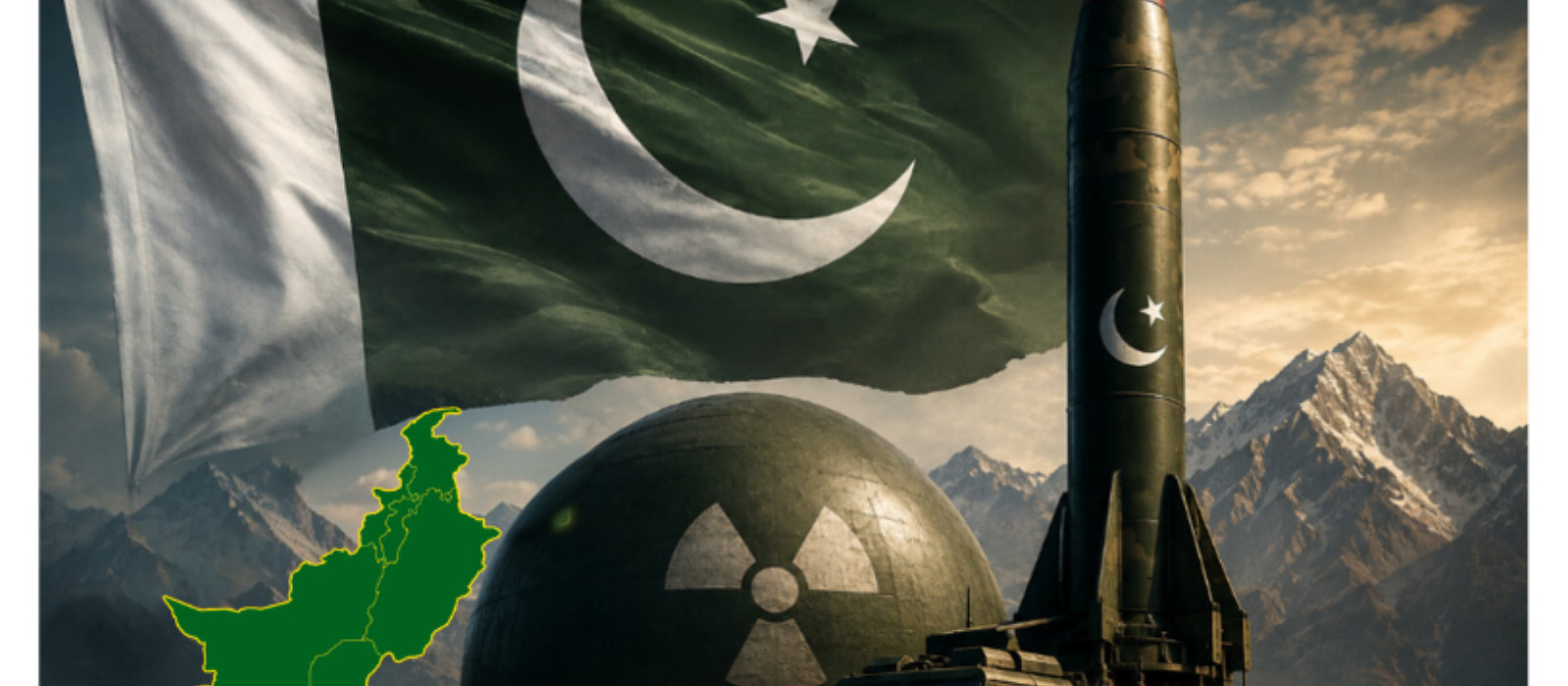
Introduction For more than thirty years, Pakistan has relied on nuclear weapons to conduct its grand...
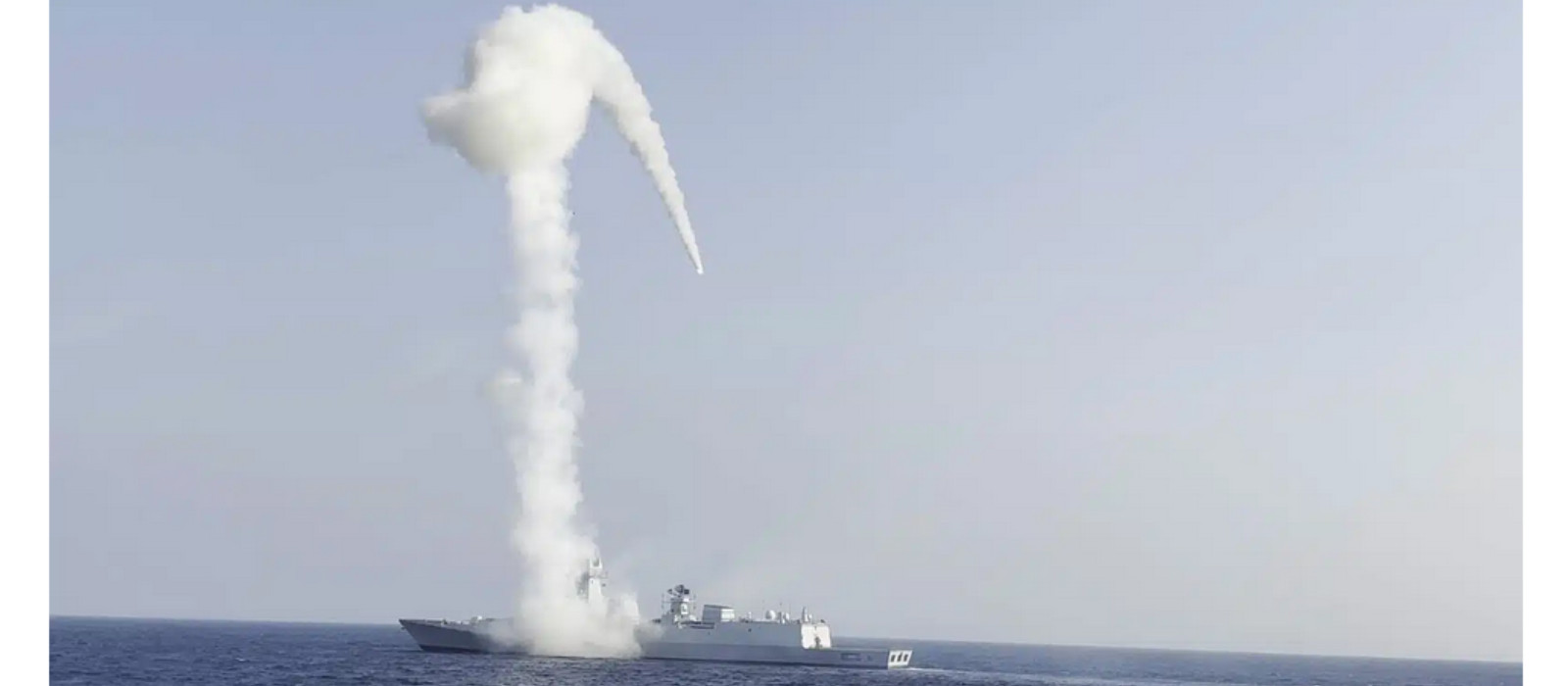
Introduction The concept of credibility is central to nuclear deterrence. Unless nuclear signalling ...
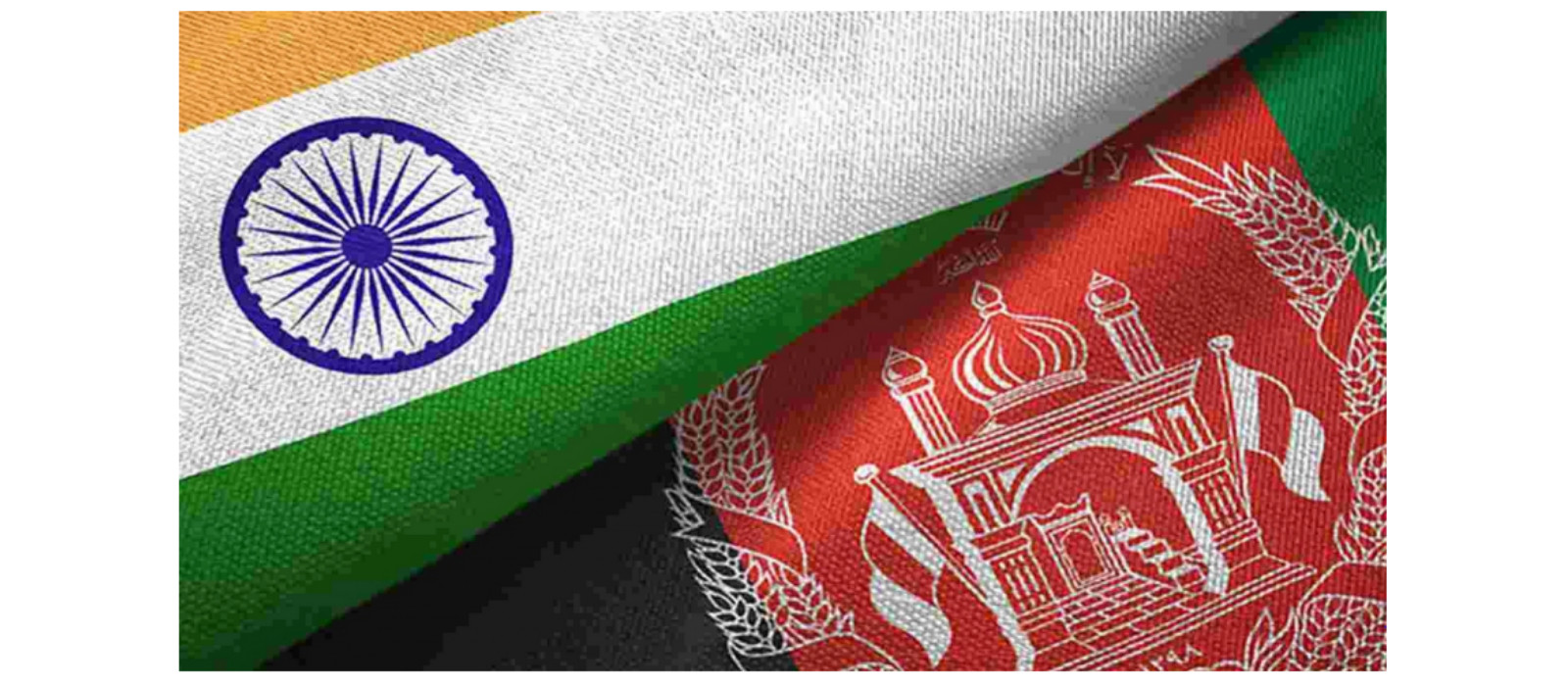
India’s Stakes in Afghanistan India’s core interests in Afghanistan need to be viewed within the...
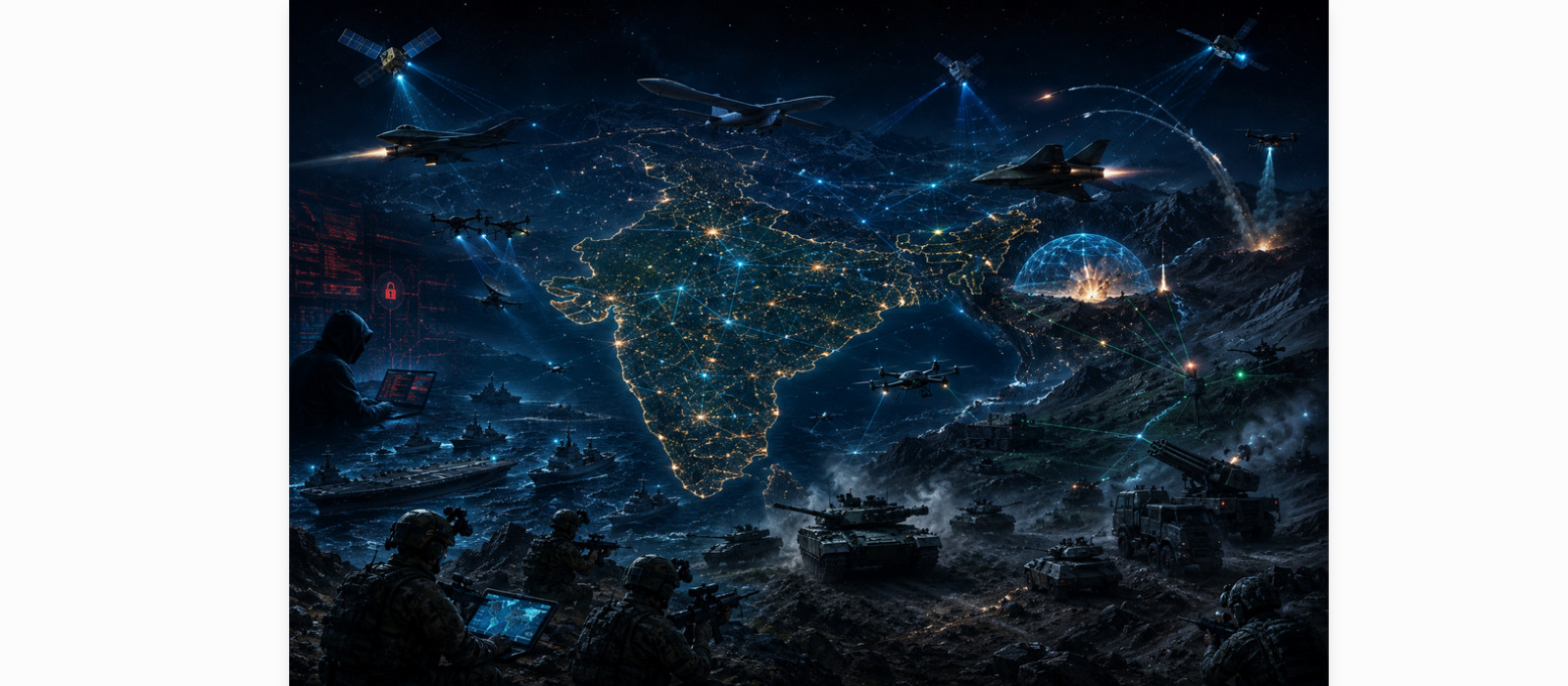
“The essence of strategy is choosing what not to do.” Michael Porter Introduction As we continue...
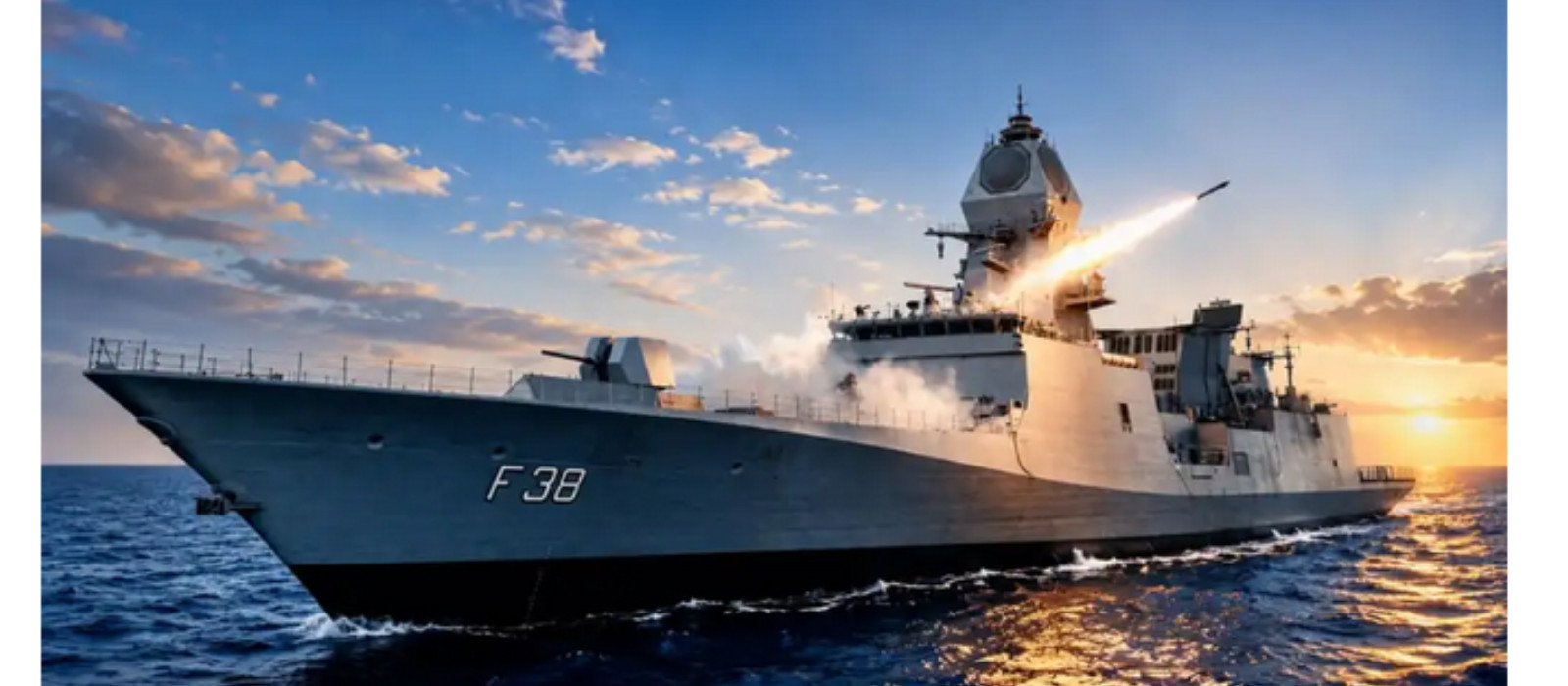
Disclaimer: Certain sections of this article have been reproduced/ adapted/ encapsulated from earlie...

“It’s not what you upload, it’s the strategy with which you upload” Will Kenan Introduction ...
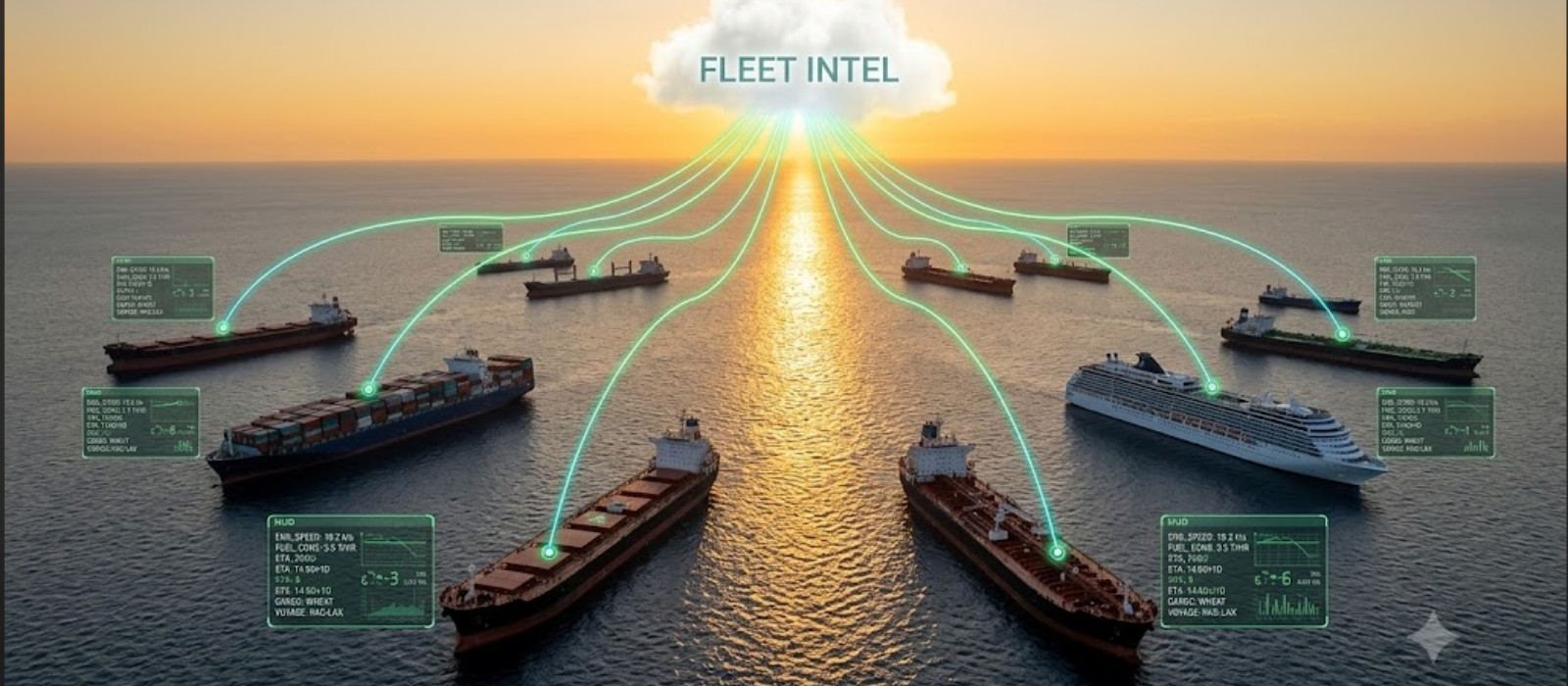
Introduction The Indian Navy (IN) has undergone a significant transformation over the years from a f...
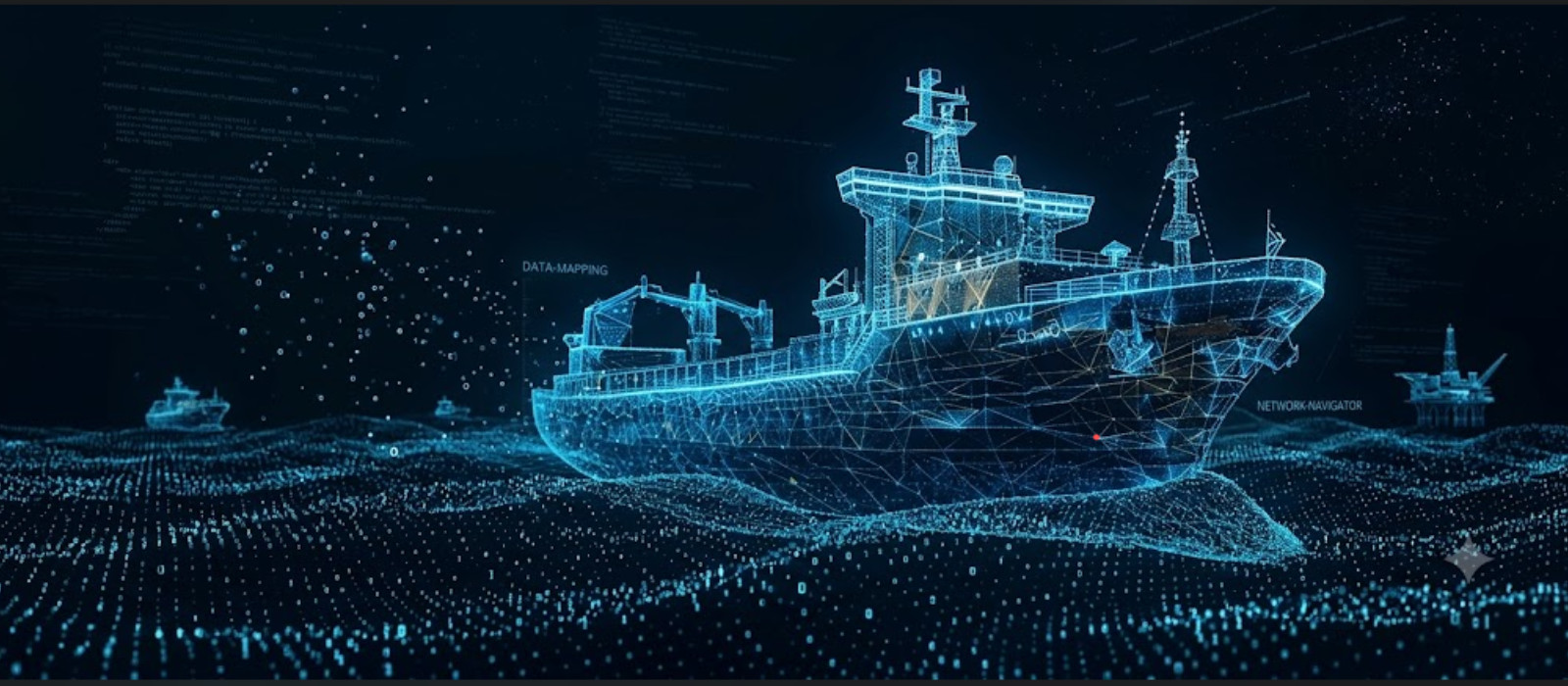
In 2017, the word ‘Jugaad’ officially made an entry into the Oxford English dictionary and was d...
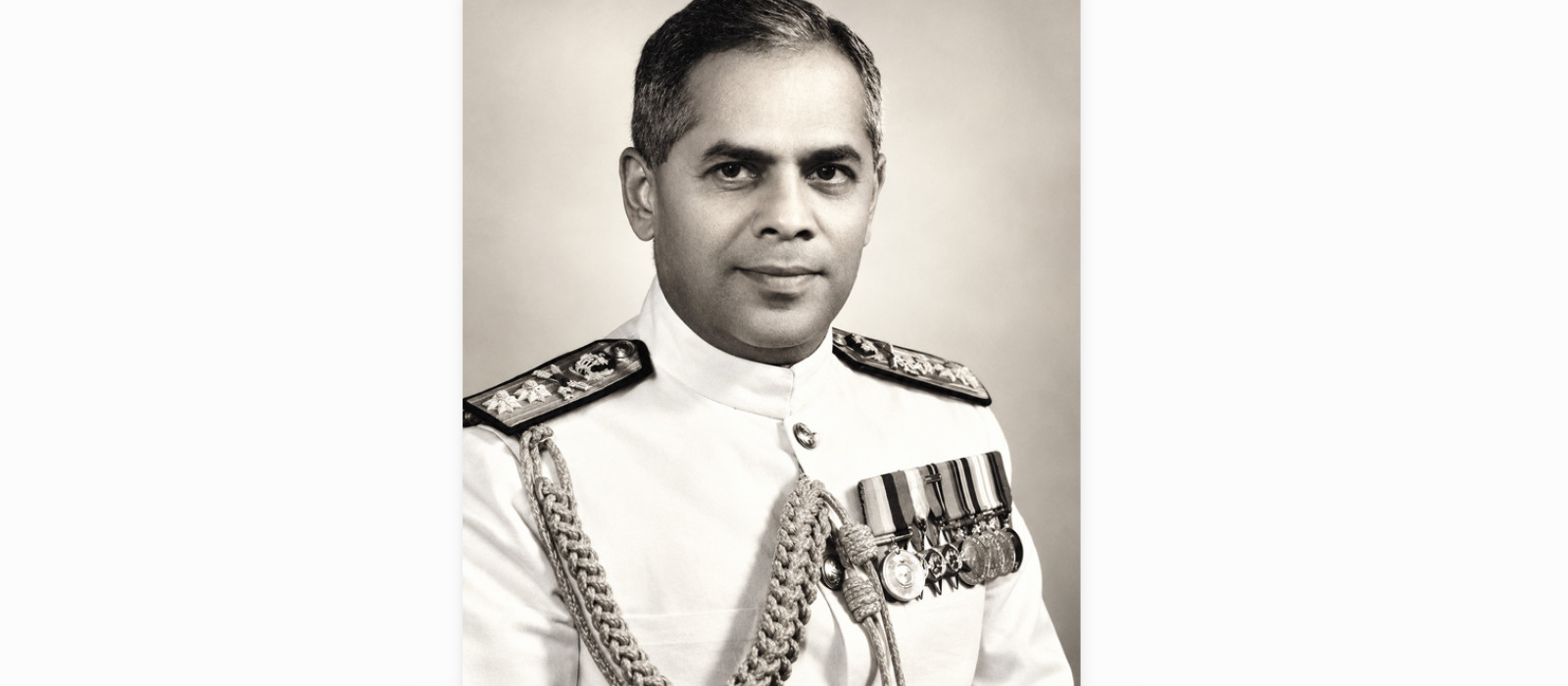
Disclaimer: This is an expanded version of an article written for ‘The Daily Guardian’ newspaper...
Countries have to often wage war in circumstances beyond their control. At that time, they are force...