


COERCION – AN EFFECTIVE TOOL OR A BARRIER IN STATECRAFT?
Indian Naval Despatch, Vol. 6 No. 1, Dec 25. “Challenges and Inconsistencies Between Theory and Pr...
 C/O Naval War College, INS Mandovi, Verem, Goa, India. 403109

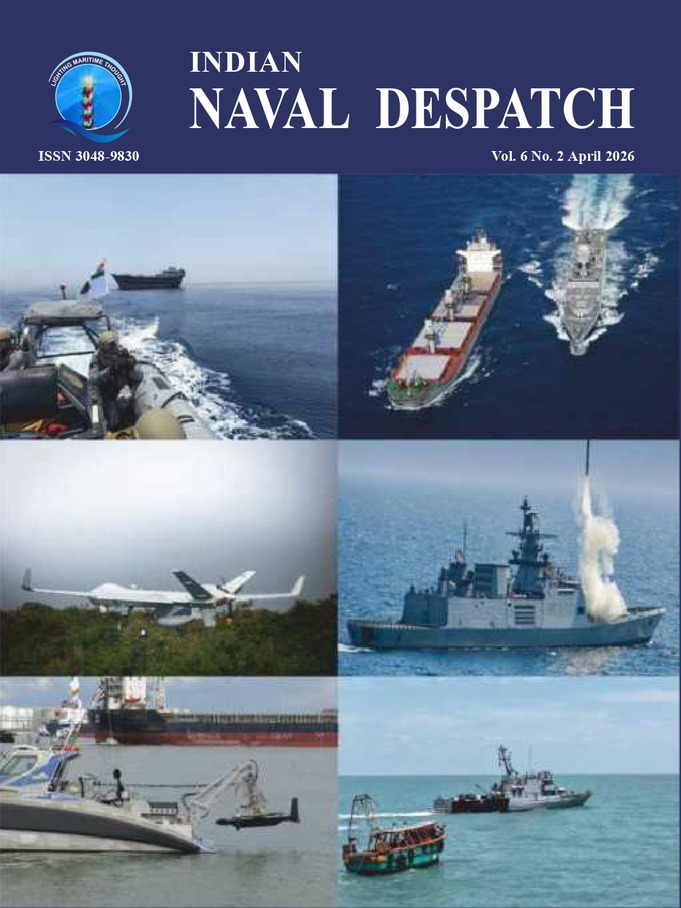


My Final Editorial and a Hauling Down Report: May Your Pens Keep Our Sword Sharp
As I pen my final (and somewhat longer!) editorial, having been editor-in-chief into the sixth year of the Indian Naval Despatch, lots of thoughts do form in one’s mind. It is also a period when the “Spring 2026” conflict in West Asia is ongoing as a confused mix of brinkmanship and “blinkmanship”; of the difficulties of the fleet in fighting the fort; of asymmetry between Iran and the US-Israel combination; of difficulties in understanding objectives and strategy and the gaps between tactical force cohering with strategy. It has been a privilege for me to have been asked by the “Admiralty” to be the inaugural editor of this truly necessary journal that is well on its way to keeping “lighting maritime thought” alive and, as I have suggested in some earlier editorials it is a “boat” for authors to rock with strategic, naval and disruptive thought. Many individuals in the Service pushed for this journal, especially in 2019-2020, and made its launching possible from a nearly moribund progenitor, the Naval Despatch of earlier years published occasionally by Naval Headquarters. Equally, quite a few wanted such a journal for decades; I was merely one of them. As a Lt Cdr at sea in the late 1980s, I had suggested a more active platform to be seen as a flagship journal of the Indian Navy. These lines from a book review essay written for the NMF journal in 2013 repeated the lament and the hope which I take the liberty of reproducing:
“In our own Service we have many publications-- some feel perhaps too many-- of erratic frequency, varying quality of contents and yet with much that could be useful. Perhaps there is a case for some consolidation, stress on self- censorship but more candour. This writer feels that, unlike some other navies, we still lack something that we ourselves, and the world could recognise as the IN’s “?agship magazine”. The “Naval Despatch” could, but does not as yet, meet that aspiration especially of a Service that is respected, admired and tracked on many a distant shore and in many a professional wardroom.
Since mid- 2020, anecdotally at least, the Despatch is moving towards that aspiration. Whether it is seen like that “on many a distant shore and in many a professional wardroom” only time may tell. It spotlights naval and sea power issues but also serves to use authors’ insights into topics that span-- among others-- coming technologies, professional ethics, civil-military relationships, matters related to India’s “maritime friends” as well as adversaries. It is also satisfying that, while supporting this journal via the Indian Naval Despatch Foundation, the Navy gives us full editorial freedom.
However, four observations ought to be carefully considered by authors and readers. One, candour can be conveyed with courtesy, without crustiness or craftiness. Two, dissent is not disloyalty. It is always necessary and profitable for senior levels to hear and read such views. What’s more, most seniors actually welcome dissenting views, and authors should take their chances and rock the Despatch boat. Three, there is much that is of value to policymakers and senior leaders to note, or younger levels to learn, from analyses based on open-source knowledge, unclassified information, but with sharpness of perspective, sincerity of research by the fertile grey cells of authors, young or old, military or civilian. Four, I am also happy to add that very rarely have we as editors come across what might have been inadvertent classified or privileged information or opinion. Our scrutiny sometimes advised deletion or modification via the peer review and iterative editing process. There have been, consequently, very rare observations at the next stage by those that give us security clearances (SECLEAR). Some of their rare observations were accepted as correct; an odd one was argued. As editors, however, we have encouraged and practised propriety not only towards security, but rationality of contents from authors as the reviews progressed from stage to stage.
There is one observation-- a grumble, if you will-- that arises out of conversations with authors as well as many opportunities I have had while interacting with student officers across several military-educational institutions. One hears that they wish to write but feel inhibited due to what they imagine are “party-lines” which they are expected to adhere to and propagate as are apprehensions of possible consequences on them when their pen clashes with seniors’ swords! While understanding this apprehension, one can say that “party-lines” could collapse into hyphenated shreds when “favoured” views on platforms, tactics, weapons, and even people come into contact with the reality, successes and reverses of combat. Therefore, there is all the more reason to use one’s pen for the greater good for us and the greater harm to our adversaries. After all, our armed forces are professional and confident enough to be able to accept changes that may first be suggested in the pages of such journals. So, for potential authors reading these lines, don’t suppress your thoughts, don’t cap that pen. Leaders might actually be looking forward to learning from you.
In that vein, the final part of Captain Gurpreet Khurana’s five-part series on issues of maritime law under varying conditions and environments, fittingly forms the lead essay in this Volume. In Maritime Claims and Boundary Delimitations, he argues that it would be in India’s interests to align some of its national laws with international law. This series has just so much of value for younger naval professionals at sea, for commanders as well as policymakers. This is a difficult feat that the author, an internationally known maritime law specialist, has skilfully achieved.
A second essay on legal regimes at sea (and consequently on the interconnections with processes on land) is by Cdr Asghar Husain. In Strengthening India’s Maritime Security: A critical analysis of Maritime Anti-Piracy Act, 2022, he explores the legal limitations of the old laws covering piracy at sea as well as difficulties in prosecuting captured pirates. It argues that although the Act is a significant legislative advancement, its success will depend on efficient implementation, procedural clarity and sustained coordination among stakeholders. These suggestions are for IN and Indian Coast Guard ships and personnel, for shore authorities as well as for the myriad law enforcement agencies.
China’s display of newer types of autonomous underwater vehicles during the 2025 Victory Day Parade attracted the attention of two of our younger contributors, Lt Cdr Sachin Mehra and Lt Cdr GW Naveen. Their article, Victory Day and Undersea Autonomy: China’s Strategic Message, looks at the AJX-002 XLUUV and compares it to the US Orca programme. According to them, China’s approach reflects its technological advancement in the underwater domain and its perseverance in achieving global prominence. These developments may have important implications for the Indo-Pacific region, particularly the Indian Ocean Region, where expanding Chinese capabilities may challenge maritime security. They also argue that India needs to strengthen its own autonomous undersea capabilities.
Moving from the underwater domain, to combat-conditions of air logistics, is a leap made by Gp Capt Prashant Negi in his paper based on his dissertation at the NWC entitled, Operational Integration of Unmanned Aerial Systems for Military Air Logistics. The author looks at the way categorisation of uncrewed air vehicles has been, and will be, increasingly used for military air logistics including, of course, in conditions of conflict. He also advocates the adaptation of current generations of manned medium and light transport aircraft of the IAF’s fleet into uncrewed versions. This is something worth working on in detail. His other recommendations span operational integration, civil-military coordination and safety protocols, uncrewed airspace management with manned aircraft and training methods.
Commodore Peter Varghese takes his gaze higher into space in Exploiting Satellites for Maritime Surveillance: Growing Capabilities and Accompanying Limitations. He examines the proliferation of satellites, both commercial and military. Backed by powerful software and algorithms they, are providing militaries with new solutions to the age-old problem of intelligence, surveillance and reconnaissance (ISR). Much of it would be increasingly backed by AI. However, he also cautions us on the limitations of the easy availability (and sudden degrading or switching off) of commercially sourced data, advising that tempering down of expectations. Artificial intelligence is another area that promises a lot but clearly without substantial Indian investments, could fall short of expectations. Finally, military satellites have moved on from traditional ISR roles to targeting. However, these also have limitations and vulnerabilities which could be exploited. The author highlights some of the pitfalls in raising expectations and to generate debate. This would enable planners and policymakers to make a more realistic assessment of their utility and be able to exploit the large grey area that remains more effectively.
The India-Sri Lanka relationship has had several high points, of course and continues to be strong and mutually beneficial. Among the points of friction is the long-standing matter of fishing rights and realities, especially in the Palk Bay. Captain Yogesh Athawale writing his paper, The Cross-Strait Fishers’ Dispute in Palk Bay and Possible Pathways for Resolution looks at the complex issue with a powerful lens backed by historical review; nuances within complications at the regional political levels; fishermen’s historical grounds; commercial motivations and the role that the civil war in Sri Lanka played. The article reviews the dense but fragmented landscape of responses, including the fishermen level talks, regulatory framework at the state level, central subsidy schemes for diversification of trawling fishers, and the mechanism of India–Sri Lanka Joint Working Group on Fisheries. He contends that pathways for resolution can be opened by formulating a calibrated mix of state-backed initiatives covering fisheries management reform, developmental schemes, stricter regulation and bilateral fisheries diplomacy urging that both countries need to see the Palk Bay and the Strait as a shared ecological and civilisational heritage more than a competition for resources. Mr Atul Tripathi and Captain Swarup Das collaborate in Quantum Sensing for Undersea Domain Awareness-Implications for Anti-Submarine Warfare in the IOR. They look at the prospect of quantum-enabled sensing for undersea surveillance, especially anti-submarine warfare. The paper focuses on quantum magnetometry and gravimetric sensing at the level of operational application, and assesses how these approaches differ from traditional acoustic methods. These, they recommend, be used in conjunction with existing ASW sensors and not as substitutes and urge planners and developers to continue with experimentation and capability development.
Given the current conflict in West Asia, it may seem out of place to think of cooperation in constabulary functions (the more officious term for actions to “maintain good order at sea”) in which diverse navies and nations come together. Yet, the method is important. Captain Suman Sharma analyses various angles of the IN’s participation in the Combined Maritime Force (CMF) in various capacities for the past few years. His contribution, India’s Engagement with the Combined Maritime Forces (CMF): Strategic Rationale, Operational Contributions and Way Ahead, looks at the circumstances for India’s reluctance in such groups, while doing a lot to maintain good order at sea by itself, through other organisations, and via bilateral and multilateral indirect operations and information-sharing. Calling it a pragmatic shift in India’s foreign and security policy, India became an Associate Partner in 2022 and took full membership in 2023, with contributions through deputation of personnel, ships and aircraft. The essay looks at the evolution of the CMF, its organisation and operations, and outlines opportunities for India, including leadership of task forces, deeper interoperability and institutional linkages, to maximise its contribution in regional maritime security.
Cdr Shailendra Gavade unfolds the way economic warfare is deployed as an instrument of statecraft. In his article, Economic Warfare: Supply Chain Disruptions, Sanctions and Energy Security, he looks at interdependence as a weapon. This is seen not only as a narrower trade or economy-related measure, but in technology denial regimes, widespread sanctions and use of chokepoints. It illustrates how economic pressure shapes strategic behaviour. Finally, the paper proposes a strategic framework for building resilience in the face of economic coercion and argues that emerging powers like India must incorporate economic statecraft into their national security strategy, diversify dependencies and boost domestic capabilities to protect sovereignty in an increasingly contested global order.
Recent and even ongoing conflicts demonstrate the growing roles of drones of various sizes, ranges and spread of missions. Cdr Gaurav Verma, who has written earlier for the Despatch, evaluates countermeasures that meshes could offer. The Low-Cost Fortress: Evaluating Anti-Drone Mesh as an Economical Countermeasure for Naval Assets is his essay. He looks at the vulnerability of high-value naval assets and critical infrastructure to low-cost, small-scale unmanned aerial systems (UAS), where the widening disparity between target value and weapon cost enables effective swarm and saturation attacks using commercially available platforms. He argues that tactical and economic viability of employing anti-drone mesh netting, cages, and similar physical barriers as simple, passive countermeasures is high. The article acknowledges operational limitations, including potential impacts on ship handling, environmental resistance, radar interference, and deployment constraints. Nevertheless, in the context of proliferating low-cost threats, passive physical barriers represent an increasingly necessary and economically prudent first line of defence for high-value naval platforms.
The leading bookend of this edition is in a “Both Watches” commentary by Cdr Gourav Yadav. Commenting on an earlier article on Challenges and Inconsistencies Between Theory and Practice of Coercion (by Wing Commander Vipin Pandey), Yadav suggests in Coercion – An E?ective Tool or a Barrier in Statecraft? that coercive steps like in the US response to the Soviets’ positioning of nuclear missiles in Cuba could be seen as successful counter-coercion rather than coercion. The step by the Russians was, after all, a result of similar missiles being located by the US in Turkey and Italy. He briefly looks at other cases too. He argues that while coercion can achieve limited objectives, its misuse or misinterpretation may prove counterproductive, undermining legitimacy and triggering unintended consequences. Coercion remains relevant but is an inherently uncertain tool, requiring careful calibration within broader political and strategic frameworks.
Commodore Himadri Bose, a frequent and a very sharp reviewer, has written yet another elegant book review of Yuval Noah Harari’s book, Nexus: A Brief History of Information Networks from the Stone Age to AI. The second review is from Cmde Amit Gurbaxani on former ambassador Mr Ajay Bisaria’s book on India-Pakistan relations, Anger Management: The Troubled Diplomatic Relationship Between India and Pakistan.
A delightful contribution by Cmde Srikant Kesnur for Rogues’ Yarn is called Beta, Aakhir Tum Karte Kya Ho? (Son, what is it that you do?) forms the other book end. In it he recounts questions he has had to answer, or to which he had no answers, from near and dear ones. In any case, it may be a good question for each one of us to ask of ourselves once in a while: “What is it that I do?”
To end this hauling-down report, I repeat that it has been an honour to have edited this journal for almost six years and watch it gather steam. I thank my sub-editors over this period and for the great support that the Naval War College provides. Without it and the support of the Navy and the Governing Council, we couldn’t have sailed with Despatch! We welcome Captain Yogesh Athawale, our new anchor in the NWC, who brings his own powerful pen to write on its pages even while he helps us greatly with the show.
It is my great pleasure to close by announcing that the Council has approved the appointment of Rear Admiral Monty Khanna (Retd.) as my relief. I turn over the watch to an outstanding naval officer, seaman and man of letters and I am sure he will bring much strength to this journal.
I wish the Despatch and the Foundation Fair winds and, as always, Full Sails!

Indian Naval Despatch, Vol. 6 No. 1, Dec 25. “Challenges and Inconsistencies Between Theory and Pr...

Abstract: This paper examines quantum enabled sensing as an emerging application for undersea survei...

Abstract: The foregoing four parts of this paper (Parts 1/5 to 4/5) published in the preceding editi...
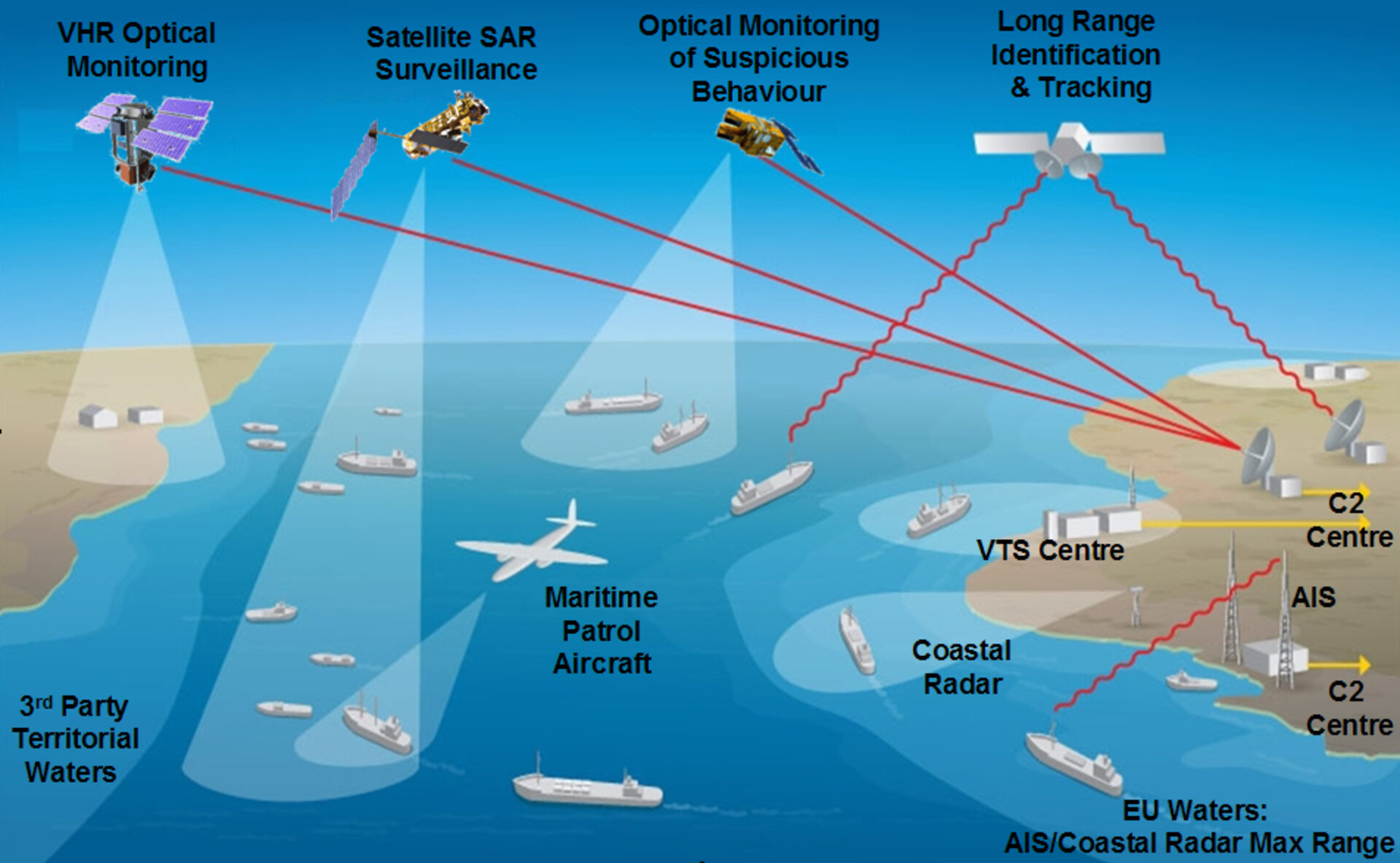
Abstract: The proliferation of satellites, both commercial and military, backed by powerful software...
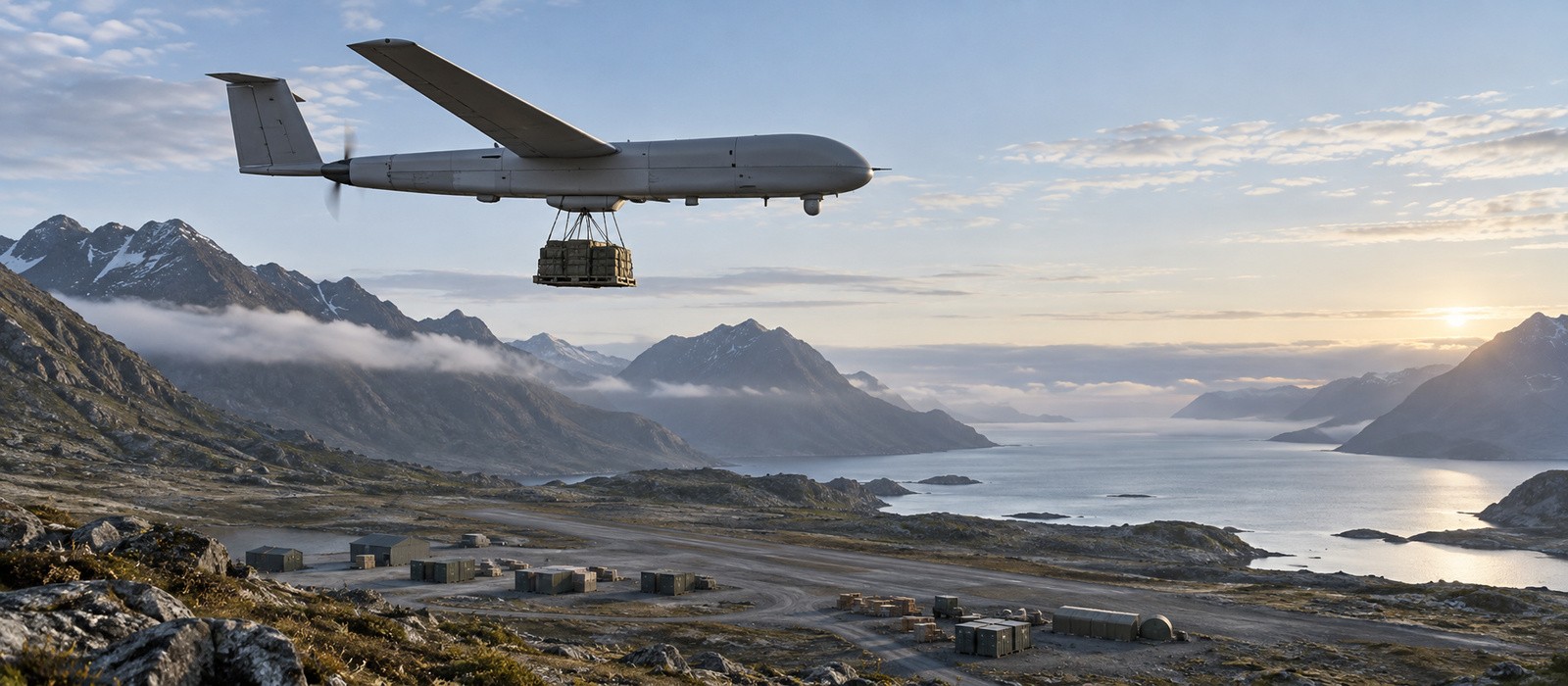
Abstract: Unmanned Aerial Systems (UAS) have emerged as a transformative capability that can redefin...
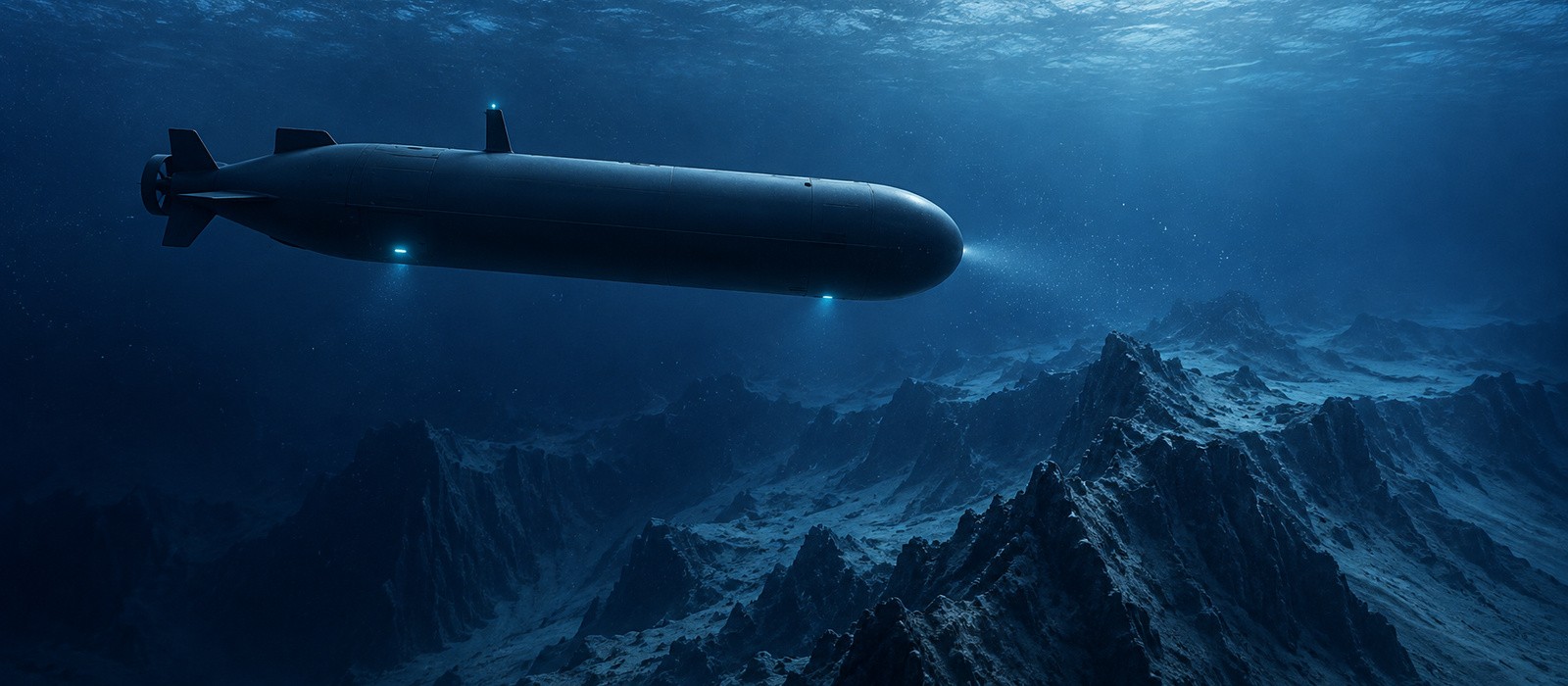
Abstract: The rapid evolution of autonomous undersea systems is transforming naval warfare, with ext...

Abstract: This essay examines the evolution of the cross-strait fishers dispute in the Palk Bay, a s...
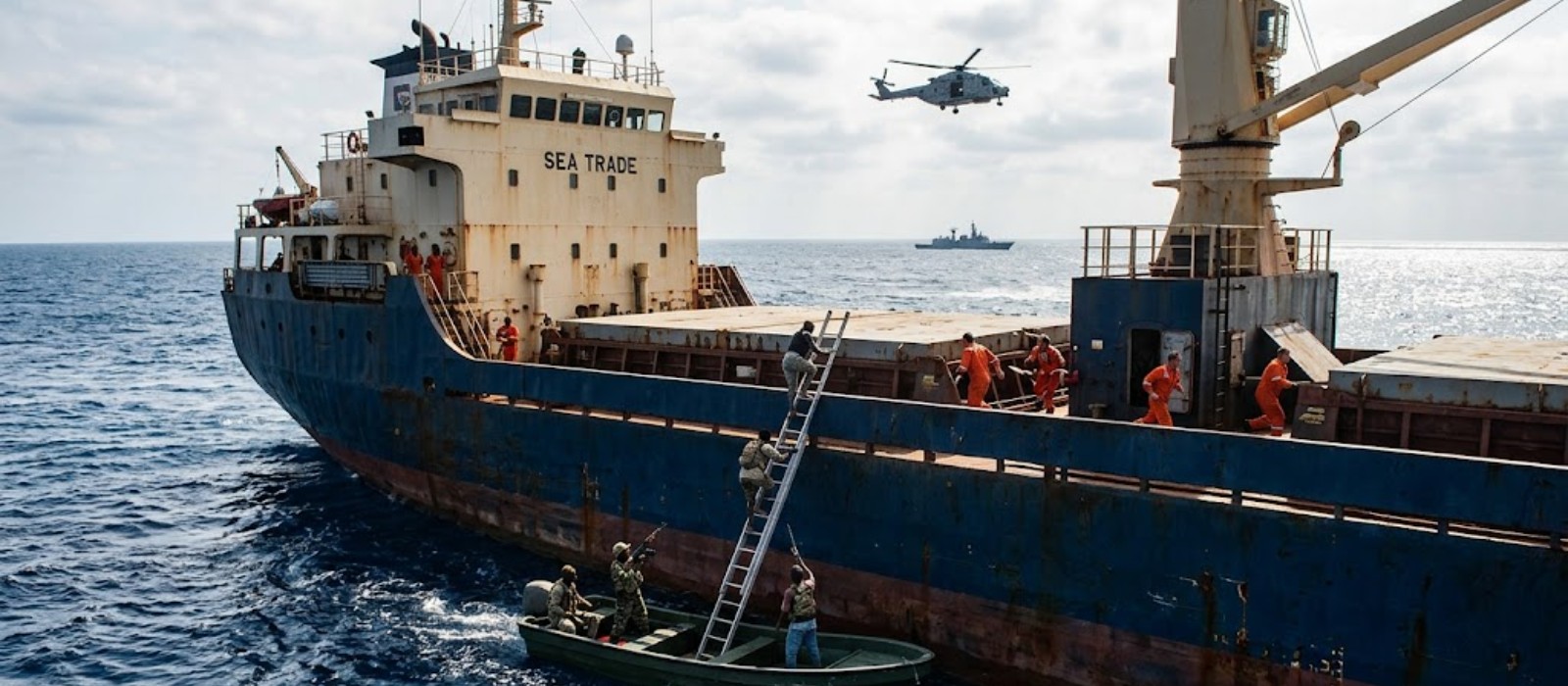
Abstract: This article examines the Maritime Anti-Piracy Act, 2022, enacted by India to address the ...
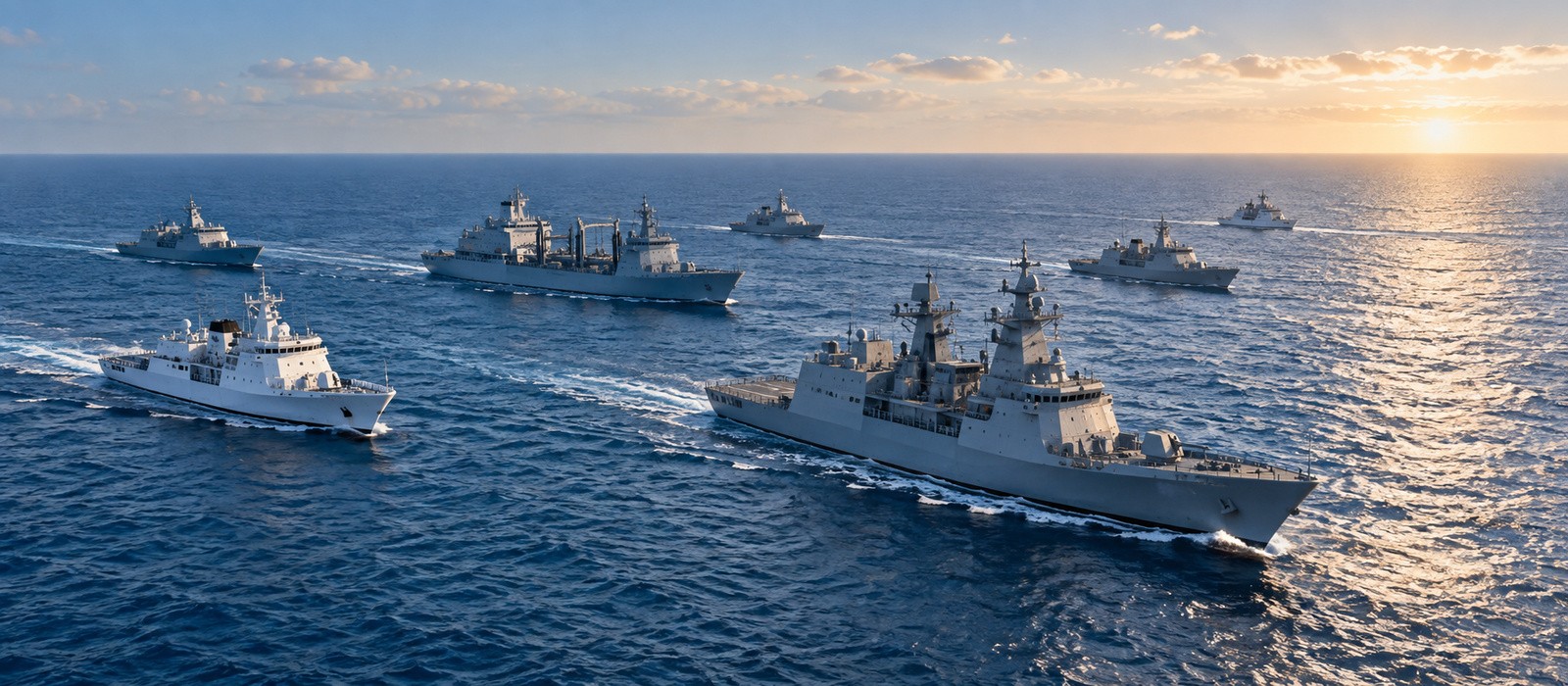
Abstract: The Western Indian Ocean (WIO) has immense strategic and geopolitical significance as a vi...
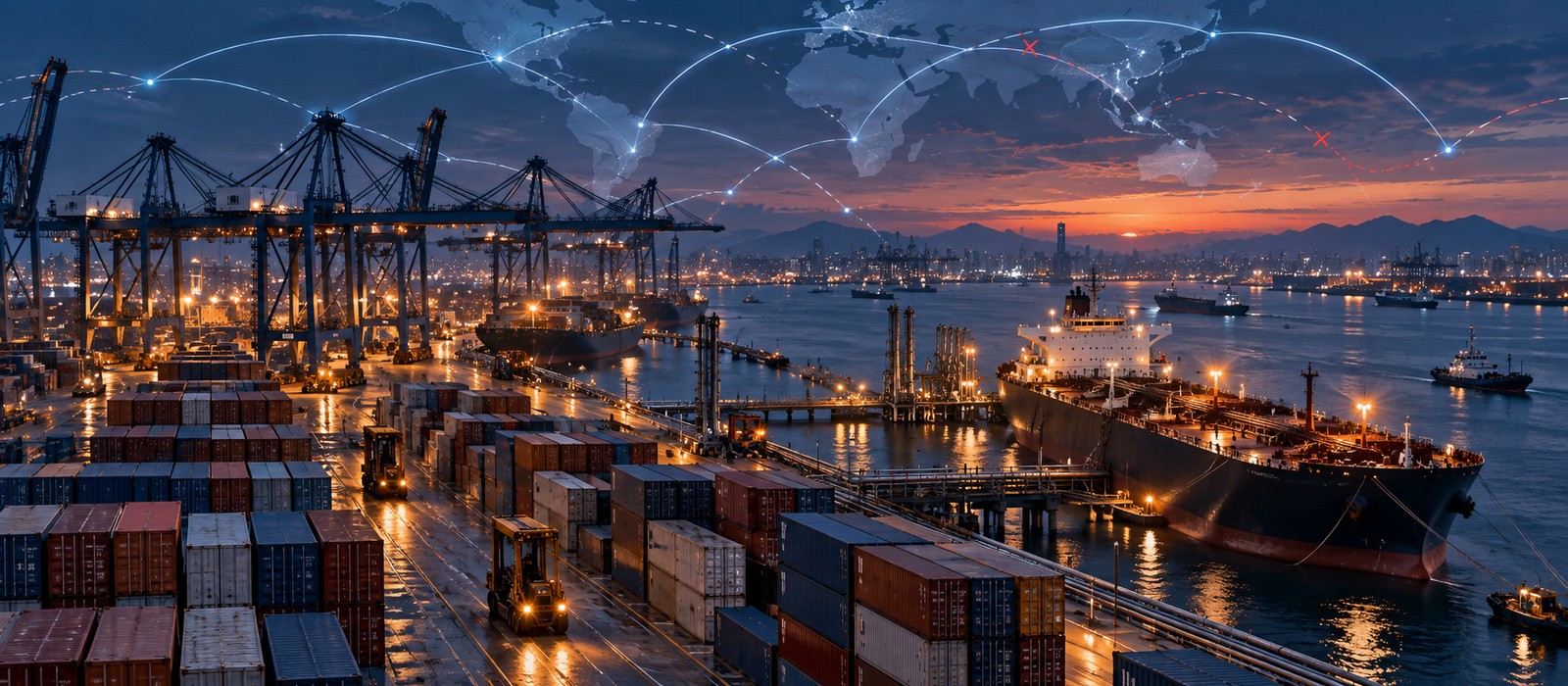
Note: The views expressed here are solely of the author and do not necessarily reflect the views of ...
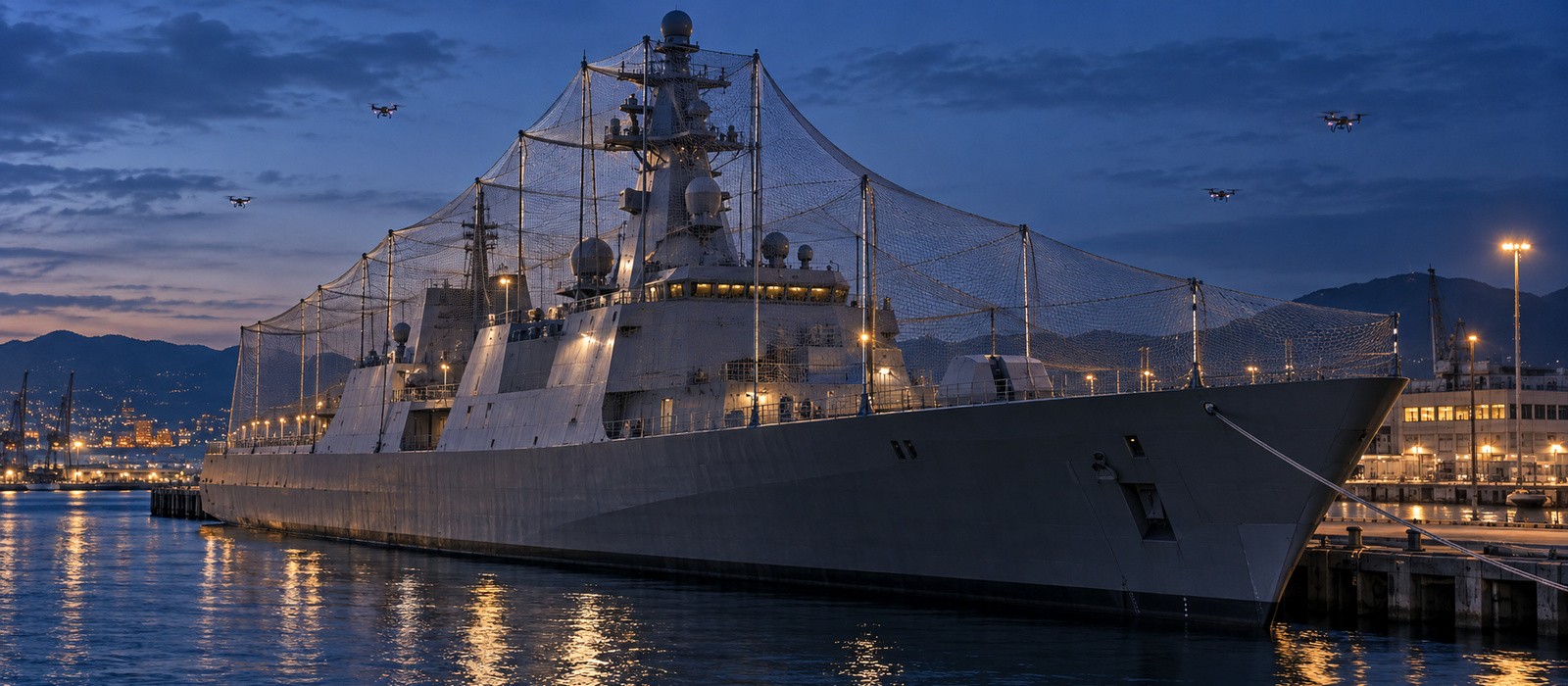
Abstract: The ongoing conflict in Ukraine has highlighted the vulnerability of high-value naval asse...
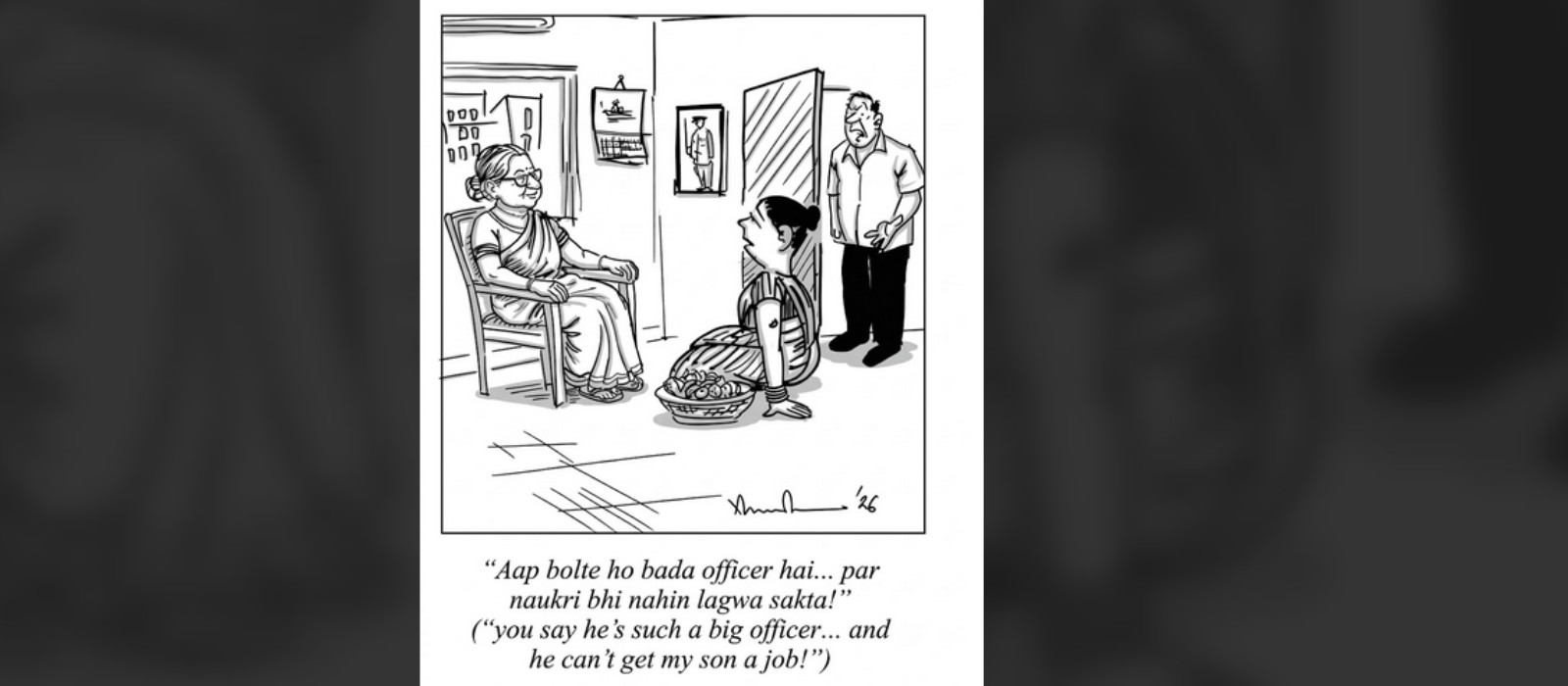
(This article is adapted for INDES from a version previously published on social media and is reprod...
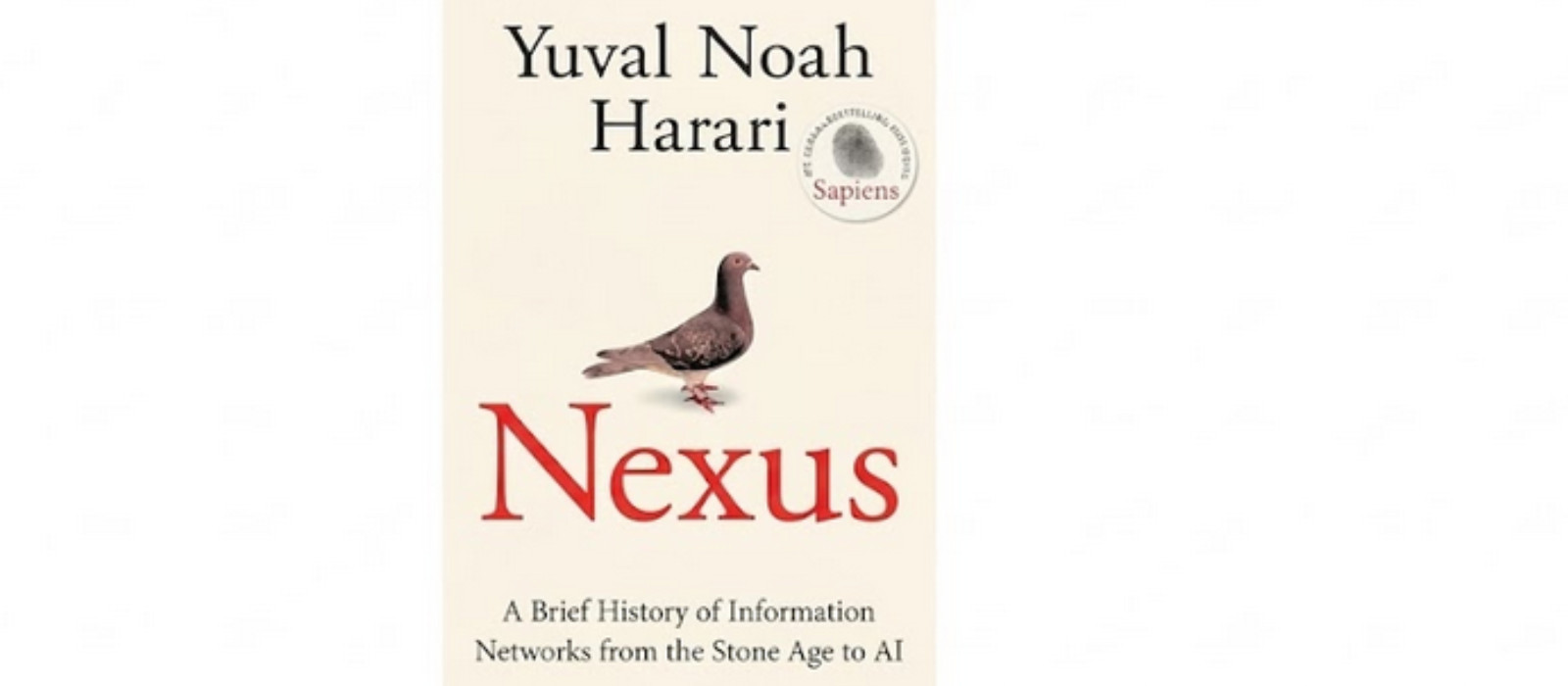
Nexus: A Brief History of Information Networks from the Stone Age to AI Author: Yuval Noah Harari Pu...
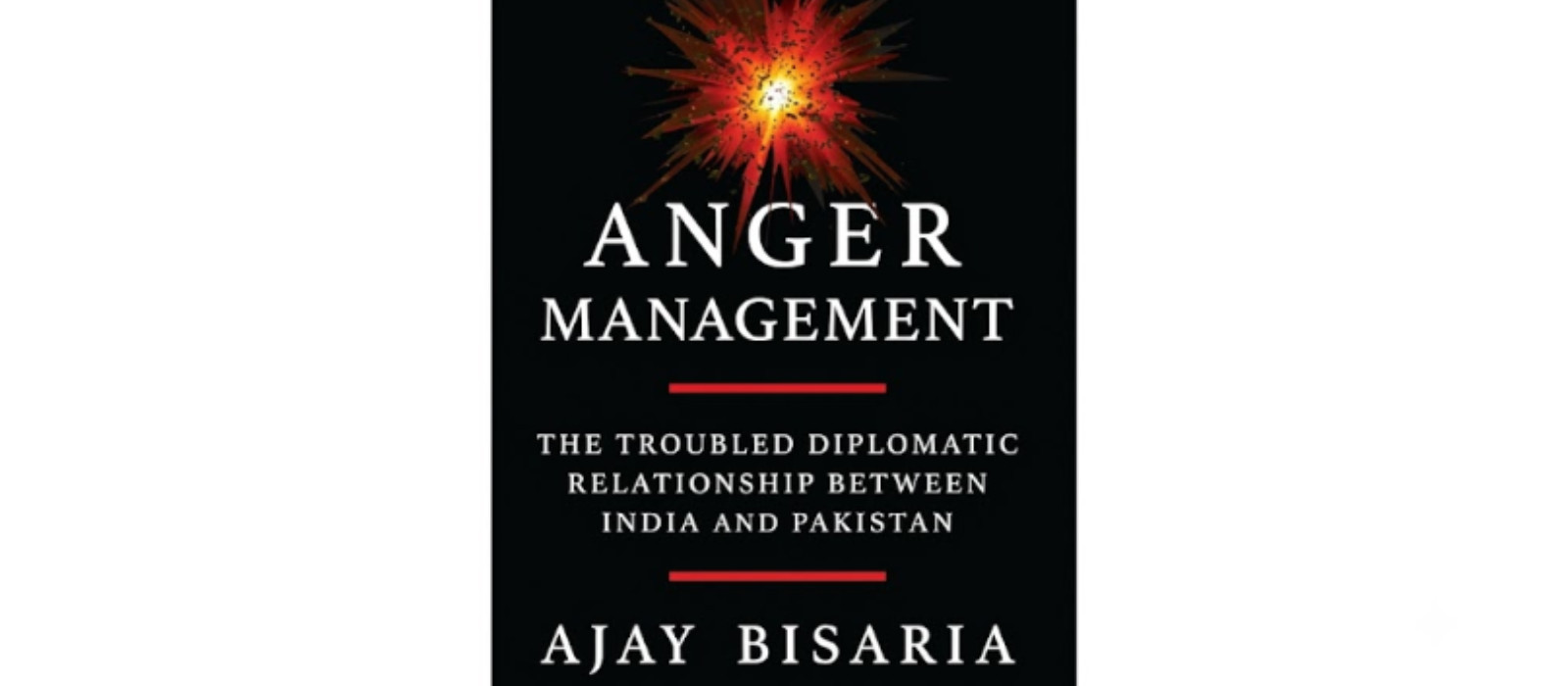
Anger Management The Troubled Diplomatic Relationship Between India and Pakistan Author: Ajay Bisari...