


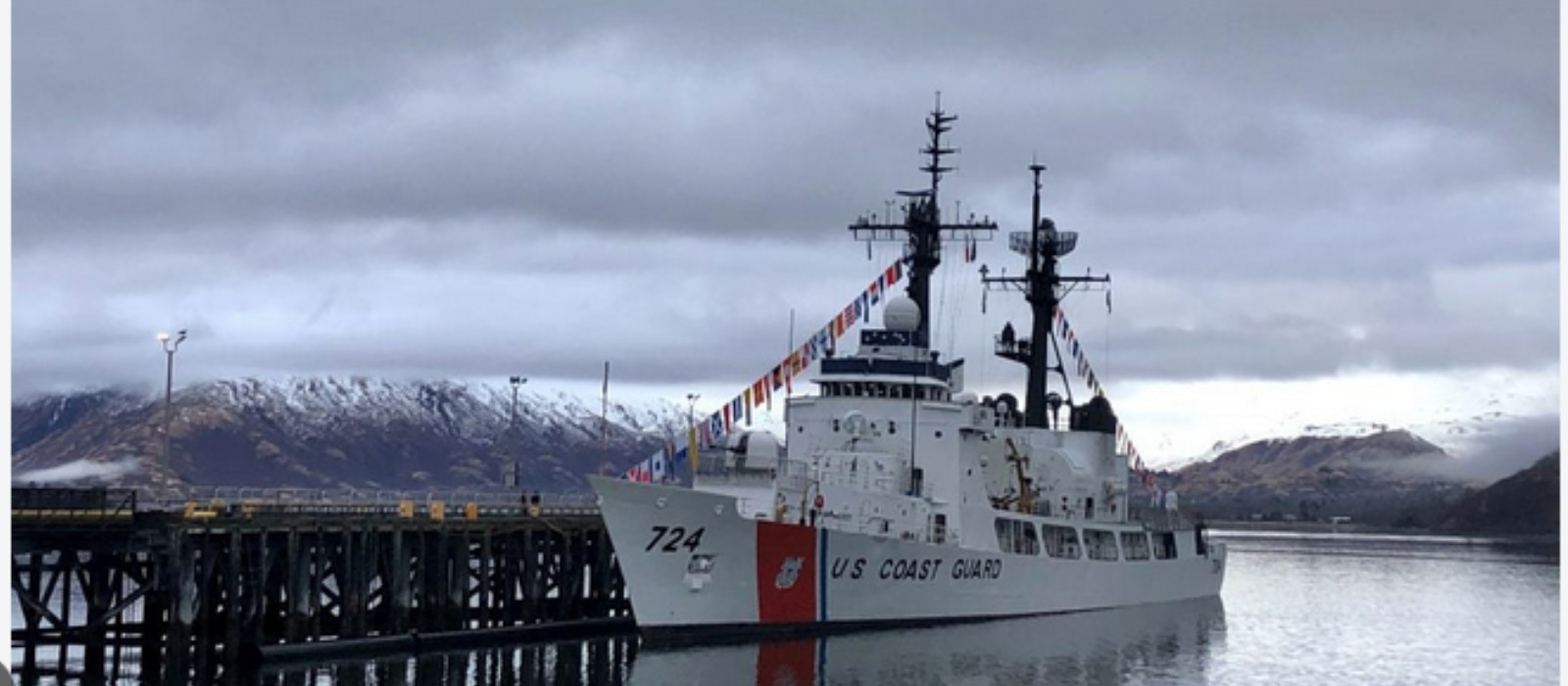


Abstract: This article provides an in-depth account of the acquisition and transition of the United States Coast Guard Cutter Douglas Munro (WHEC 723) into the Sri Lanka Navy as SLNS Vijaybahu. Drawing from personal experiences, it explores the challenges and accomplishments encountered during the ship's handover, adaptation, and operational integration. The narrative delves into the ship’s historical significance, technical specifications, and the comprehensive preparatory efforts undertaken by the Sri Lanka Navy, including inspections, training, and modifications. Special attention is given to the engineering adaptations required to align the ship’s systems with local operational standards, alongside the lessons learned from the U.S. Coast Guard’s unified management structure. The article also examines the operational challenges of maintaining a 50-year-old vessel, including resource allocation, technical repairs, and the crew's role in overcoming unforeseen difficulties. Additionally, it highlights the human aspects of the project—crew welfare, morale management, and the cultural adaptations necessitated by prolonged deployment abroad. Ultimately, the account emphasizes the importance of meticulous planning, teamwork, and adaptability in successfully integrating a foreign naval asset into a new operational framework, contributing valuable insights for future maritime acquisitions and collaborations.
Introduction
With over 20 years of experience as a marine engineer, including roles as a division head for propulsion in ships of the Sri Lankan Navy, I got an opportunity to assume duties as the Engineering Officer (EO) of the Ex-United States Coast Guard Cutter, Douglas Munro (Ex-Munro) which was commissioned as SLNS Vijaybahu into the Sri Lanka Navy on November 22, 2022. The Sri Lanka Navy acquired the USCGC Douglas Munro as its second Hamilton-class cutter. For me, being part of the crew that took over the ship provided invaluable experience, offering insights into cross-national engineering practices and the technical adaptations required to transition the vessel from U.S. to Sri Lankan operational standards.
USCGC Douglas Munro
Built over five decades ago, USCGC Douglas Munro (WHEC 723) served the United States Coast Guard from 1971 until decommissioning in April 2021. These cutters, as ships are traditionally called in the US Coast Guard (USCG), were the largest cutters made for it. There were 12 vessels of the Hamilton class. These ships had undergone extensive modernisation in the 1990s at Seattle and had been maintained very well by the United States Coast Guard personnel (USCG). This ship was the third cutter to be inducted by the Sri Lanka Navy, the earlier ones being the Samudra (WMEC) and Gajabahu. For the author, being part of the taking over crew brought about invaluable insights into cross-national engineering practices and technical adaptations needed to transition a vessel from the U.S. to Sri Lankan operational standards.
Ex- USCGC Douglas Munro displaces about 3250 tonnes (full load), is 378 feet in length and has beam of 43 feet. Its endurance is 9,600 nm at 19 knots at cruising speed and at 12 knots economical speed which gives it an endurance of 14,000 nm. These cutters are part of the Hamilton class, also known as the "Secretary class," as they were primarily named after U.S. Secretaries of the Treasury. However, some vessels in this class, including the Douglas Munro, are referred to as "Hero-class cutters" because they are named after U.S. Coast Guard heroes.1
Before the acquisition of the ship a joint inspection had been carried by the Sri Lankan Navy and the USCG representatives at the Seattle, its base. During the inspection, I had the opportunity to meet Lieutenant (Senior Grade) Tai Chan, the Ex-Munro ship’s Chief Engineer (2017 to 2021). He had overseen the ship’s technical upkeep. As is known, the US Navy and Coast Guard have officers who do both engineering as well as line duties (or executive branch duties in the SLN and IN.
Unified Technical Division: Structure and Responsibilities
Unlike the divisional separation of the Engineering (E) and the Electrical (L) departments in our navies, the USCG maintains a unified technical division. This integrated structure fosters a holistic management system, an aspect that I found advantageous in terms of oversight and efficiency. The technical division of the ship was divided into three categories as explained here:
-
Marine Propulsion (MP). This division is responsible for main propulsion systems to ensure the efficient operation of the ship’s engines and propulsion machinery. This class had the following propulsion elements:
-
02 nos of Fairbanks- Morse (38TD8-1/8-12 cylinder) opposed piston type engine of 3,500 hp each.
-
02 nos of Pratt & Whitney FT4-A6 gas turbines of 18,000 hp each.
-
02 shafts with controllable pitch propellers married to the Combination of Diesel or Gas Turbines (CODOG) propulsion engines.2
-
-
Auxiliary (Hotel Service). Encompassing all onboard services, this division managed the auxiliary systems that contributed to habitability, such as heating, ventilation, cooling, and plumbing.
-
Systems Division. The Ship has a fuel capacity of 800, 000 litres and it is a “Deep Tanker” or “Fuel ballast Ship”, which used fuel tanks to ballast so as to maintain stability under different loading conditions. Hence the pipe system spanned over total length of the ship. The ship structure has seven decks, and all the supply systems lines such as chilled water, steam and potable water systems are gone through dedicate piping.
-
Additionally, a distinct division handled Nuclear, Biological, and Radiological (NBR) Defence, integrated with shipborne firefighting and damage control under the guidance of a dedicated Damage Control Assistant (DCA) reporting to the XO. This was a notable practice, aligning fire safety and damage control responsibilities within one division, streamlining emergency response procedures
With this background, the challenges encountered, and the experiences gained throughout the project are examined in this essay. Of course, these are limited only to open domain. These insights are presented so that they could provide lessons for future acquisitions, changes and initiatives. The earlier exposure to an interesting work by June-Young Kim on extreme performance experiences enabled this writer to understand the nuances of coping.3 Issues of technical practices, leadership of a crew, and personnel management during extended operations in an acquisition process, commissioning and return home were all learning experiences.
Transitioning From the USCG to the Sri Lankan Navy
The induction of the first Hamilton-class high endurance cutter into the SLN in 2018, commissioned as SLNS Gajabahu (formerly USCGC Sherman, WHEC-720) along with the medium class cutter SLNS Samudra (formerly USCGC Courageous, WMEC-622) in 2004, enabled the SLN to adapt to and incorporate elements of USCG procedures and methods. While, these ships were in good condition, the transition to new management practices and operational standards presented significant challenges.
The experience of overseeing this transition provided valuable insights into the benefits and potential limitations of both systems. The U.S. Coast Guard’s unified model promotes collaborative problem-solving and quick, cross-functional response, which served as a model for specific applications within our own technical department. During the project phase, weekly meetings were held every Monday with technical and procurement representatives from CG 922. These meetings were attended by the respective Heads of Departments and the Ship’s Logistics Officer (LOGO), under the chairmanship of the Ship’s Captain.
During the discussions, all initiated procurement requests were collaboratively reviewed with the CG 922 (explained below) team to prioritize requirements based on their urgency. The team utilised online consultations with relevant spare parts providers to finalise costs and assess after-sales services. This proactive approach minimised unnecessary delays and facilitated efficient, real-time decision-making. International Ship Acquisition Directorate typically refers to a program office, responsible for managing the acquisition and modernisation of various Coast Guard vessels, aircraft, and systems. It stands for the Coast Guard’s Office of Acquisition Programs (CG-922), which oversees critical projects in the service’s asset recapitalisation efforts. This office plays a key role in procuring new assets and upgrading existing ones to support the Coast Guard's mission, which includes maritime safety, security, and environmental protection. The office handles projects like the acquisition of new cutters, patrol boats, and upgrades to aviation assets, among other initiatives.
As mentioned, the earlier USCG acquisitions, especially of the earlier Hamilton-class HEC (SLNS Gajabahu) benefitted our crew. This ship had (and still does) successfully operated in and around Sri Lankan waters for several years, culminating in its first dry docking at Colombo Dockyard Ltd in 2019. Given this background, the Navy’s senior leadership had approved a comprehensive 14-day training program for the new ship’s crew, which included both classroom and practical sea-phase components. Additionally, the information provided by the first ship’s shared experience significantly enhanced the crew’s understanding of the existing machinery and its operational behaviour. Through a thorough training and familiarisation programme with the ship’s systems and machinery, it was expected that this process would align closely with operational needs.
The training commenced following the selection of the ship's crew. The selection process was conducted by boards of selection formed by the respective departments. Nominating the most suitable crew members for the technical divisions was particularly critical, as it required identifying the best candidates from the pool. Rigid adherence to predefined selection criteria risked overlooking highly capable individuals essential for performing critical tasks effectively.
Officers from the technical branches were carefully selected by their respective higher authorities based on past performance and relevant experience gained throughout their careers. This process could be part of thinking in terms of the Navy’s four “rights”, right person, right skills, right place, right time and are in balance with the individual’s desire.4
In early 2021, SLN higher authorities decided to conduct a technical inspection, assigning a team comprising department heads and their deputies. The inspection was organized into six primary units and four specialized sections, covering areas such as operations, auxiliary systems, electrical, electronics, engineering operations, and electrical testing and support. Personnel from each section were carefully assigned to ensure a comprehensive range of expertise.
Joint inspections by the SLN and USCG teams helped in several ways. As inspections progressed, better understanding developed of the condition of all machinery and equipment; performance parameters during operation of all equipment; technical and maintenance documentation etc. Further, the process of inspections itself was being documented. All these steps helped both sides in the progress towards formal handing over for the SLN crew to settle in confidently and comfortably into operating their own ship. Such measures helped assessing the workload ahead for repairs and refurbishment required; time needed for repairs and upkeep; budget estimates, etc. Additionally, the need for in-port and sea trials, as well as support from Original Equipment Manufacturers (OEMs), was identified and incorporated into a comprehensive work plan, which was submitted for necessary approvals with the concurrence of CG 922.
Considering the resultant workload and the ship’s age, it had been beneficial to assign a departmental representative from the relevant division to the project. This representative helped daily operations and system interactions aboard the ship, offering critical insights. All decisions were then with the approval of higher authorities.
Getting Systems Working
The ship had a lot of systems within, some of which supported habitability including heating for the conditions in which she sailed. Among such systems were the electrical evaporator coils. These are primarily utilised to maintain habitable temperatures in the ship's compartments, with steam generated by the feedwater steam boilers serving as a secondary option. During a joint inspection conducted with former USCGC personnel in the summer of 2021, a significant steam leak was identified just aft of the Main Control Room (MCR). We thought that it would be better to set this right before the onset of winter. We would be taking over the ship during winter and it would be best to finish troubleshooting and repairs well in time to make the ship habitable for our crew.
Soon after keeping our luggage in our respective cabins, the first task that we attended to was to operate the electric heaters. We had set up a team to operate all evaporator coils and found some coils in critical locations were not functioning properly. Therefore, we operated the steam boilers to identify problems that needed to be fixed. The systems had been checked in summer, when the steam acceleration load was low. In our examination severity of the compromised steam circulation became apparent in several areas but particularly impacting the supply line to the aftmost decks.
Upon arrival, following an 18-hour flight, our Sri Lankan welder promptly changed into his overalls and began work, without waiting for the assistance of USCGC welders, demonstrating exceptional dedication. This proactive decision by the engineering team led to the successful restoration of the boilers within the first two days of the team’s arrival.
Although Base Seattle serves as a critical technical hub, providing extensive support for ship refits from distant locations like Alaska, having a qualified welder onboard proved invaluable. This immediate action not only expedited the repairs but also impressed Base Seattle staff, who commended the ship's technical department for resolving the issue without needing external assistance at the outset. This swift and efficient response showcased the team's resourcefulness and technical capability.
Sierra: The Lone Wolf
On completion of steam repairs, both service boilers were lit off and taken online. When the continuous stream flows started through the ship’s pipe system, the hammering started. Finding steam traps and removing condensate water was the next task downstream. Both operations were conducted continuously and required extensive coordination and adjustments.
In line with rules for continuous machinery monitoring, the USCG has a special watchmen called “SIERRA” (Security and Sounding watchmen) as a special roaming duty that oversaw all operational machinery and attend minor repairs except major repairs, which were managed at sea or alongside. The Sierra watchkeeper went by the check list with him which covered the entire ship from the after steering post to the bows. Checking fuel tank level of the operating boilers and filled with adequate quantities is a major duty in port. This was a new experience for all of us. Hence, I got directives from my Chief Engineer to follow the existing pathway of the Sierra and find out importance of each step and make the best out as a check list which could be adopt into SLN and after scrutinizing the best way, train the Engine-room crew accordingly.
The first step was to recognize the inherent tension between creating complementary leadership teams and laying the foundation for smooth succession processes. With the support of our Master Chief Artificer, I successfully completed the task within 48 hours, achieving a lasting solution without any required amendments since 2021 to date. The new checklist we developed covered all running machinery, including small pumps that required even minor attention to prevent potential catastrophic failures. This was significantly more comprehensive than the checklists made earlier. We then implemented the new checklist as part of SIERRA duties, systematically recording all gathered data in an Excel sheet for performance analysis and trend monitoring. After conducting several rounds over the first two months, we transitioned these tasks to the assigned watchkeepers, who maintained responsibility for this critical oversight.
The feedback from SIERRA proved invaluable during the passage, as performance-monitored data was integrated into the Machinery Control Room (MCR) database. This allowed the Engineering Officer of the Watch (EOW) to monitor the performance of all machinery beyond his immediate view. This thorough approach ensured the success of our 56-day homebound journey, covering 10,656 nautical miles safely and efficiently.
Pipe Rupture Issues
By considering the deterioration of the ship, the parts of auxiliary sea water (ASW) and intake air housing ducts were affected the most. Most deteriorated parts of the ASW system were in the engine room and were temporarily patched with syntho-glass materials or rubber packing since permanent repairs could not be done while the ship was afloat. Many locations would require external access for repairs, making them feasible only during dry docking. Although the ship had been scheduled for dry docking in 2016, this was not done and she was instead placed into a transfer scheme, as discussed earlier. Consequently, CG 922 opted to conduct repairs with available spares, deferring the dry-docking requirement, as the vessel was scheduled for decommissioning in April 2021.
As the ship endured significant seasonal changes from summer to winter, several areas of the steel decking and hull began to show deterioration, including issues like delamination and cracking in the paint. However, the internal piping presented a different set of challenges, particularly with the auxiliary sea water system, which supplied seawater to the reefer condensers. I frequently received urgent calls from "Sierra" stating, "Sir, seawater leakage in the engine room, please come quickly." Initially, Sierra and I would work together to address these leaks as they occurred. Over time, this task became a frequent matter until attended to in during the dry docking.
Forecasting for 20 years
Another important area for us to work on was enabling better life-cycle support for an already fifty years old ship. CG 922 had provided sufficient funds to facilitate procurement processes as per the bi-lateral agreement between the US and Sri Lanka. With the aim of sourcing enough spare parts to ensure maintenance capabilities for a 20-year period, the team-initiated procurement actions. Tasks across all divisions were distributed equitably among junior engineers by the Chief Engineer, who were called upon to support higher management efforts by organizing and sourcing available spare parts from our USCG partners.
We had initiated procurement for over 1500 spares which generally came the USCG depot in Baltimore, Maryland. Out of that, a few spares were received free of charge, which saved considerable amount of funding to spare for other requirements. These efforts have served the ship well in subsequent years.
Covid 19, Commissioning and the Wonderful Crew
The total crew aboard the ships was divided into four groups, structured according to work requirements, before travel from Sri Lanka. By January 2022, all teams had successfully adapted to the new setup in the ship, although having left their loved ones back home during the difficult times of the covid-19 pandemic. The pandemic had severely impacted the country’s economy, exacerbated the downturn in tourism, initially triggered by the 2019 Easter bombings and resulted in financial difficulties for most families.
A significant 85% of department team members were married, presenting considerable challenges during this period. Separation presented its own difficulties for individuals, especially with limited resources. To keep up their morale, the ship broadcast SL news daily, allowing crew members to stay informed and connected to events at home. Additionally, crew members were granted the flexibility to contact their families as needed, even amidst demanding schedules. I asked my crew to inform me of any issues beyond their control or capabilities. Serious matters were escalated to Naval Headquarters in Colombo via the ship's Captain and were effectively managed by the respective Directorate.
An incident comes to mind more than others. Two senior artificers lost close family members to COVID-19. Despite this, they chose to remain aboard, driven by patriotism and their sense of duty. As a divisional officer, I saw that they received adequate time off to participate in their loved ones' last rites virtually, providing space to process their grief and honour their families.
Breaking Monotony and Boosting Spirits
Due to the time zone difference, extended working hours, and limited space within the ship, the morale and the working efficiency had declined gradually. Seattle winters can be very cold for Sri Lankans, it had started to snow by early December 2021 and a level of monotony seemed to have set in. However, despite monotony, life aboard a cutter can indeed be a unique and fulfilling experience. The Captain decided to increase the fun factor for the crew joy and reduce work fatigue in unfamiliar weather condition.
There was a well-maintained sound system equipped with Bluetooth connectivity that I discovered onboard. The responsibility of selecting and playing the latest local song each morning after the team briefing was assigned to "Sierra." This daily ritual boosted morale and encouraged the team to bond over shared moments of entertainment and break through the workday.
It is worth noting that, through various inquiries and interviews conducted by the ship's administrative department, it was discovered that some sailors were planning their departure from the ship due to financial challenges back home. This was further confirmed by information received from Headquarters. In response, the captain organized several sports events and excursions for the crew to break the monotony. The crew was divided into starboard and port watches, with each watch granted a day off every weekend. Each watch was further divided into groups of four to five members, supervised by an officer and a senior sailor. Travel documents were entrusted to the custodian, and responsibilities were carefully assigned.
As Sri Lankans, the crew was deeply accustomed to traditional meals centred around rice and spicy curries. However, the ship's Galley was unable to prepare enough rice to meet these dietary preferences, requiring the team to adapt to Western meals and beverages during their time onboard. To address this challenge and boost morale, a request was submitted through the department head to take the sailors out for a meal at a nearby Indian restaurant where they could enjoy authentic Indian biryani. Recognizing the importance of this initiative, the Captain approved the request. Four months into the time in Seattle, 17 crew members participated in the outing, creating a memorable experience that continues to bring smiles even today. Inspired by this initiative, the electrical and electronic department, as well as the navigation department, organized similar outings for their sailors, further enhancing morale and camaraderie among the crew.
On November 2, 2022, we successfully completed our homebound passage from Seattle, marking the culmination of a journey filled with remarkable experiences and significant incidents during the voyage and logistical stops. This achievement stands as a testament to the exceptional leadership demonstrated by the Ship’s Captain and the Chief Engineer,whose guidance was instrumental throughout the project.
As a united team, we, the ship’s crew, lived and worked together on board for over a year, each giving our best effort. We understood that the dedication of a commissioning crew plays a vital role in shaping the ship’s future performance and her service to Sri Lanka.
Endnotes
-
Military, “Hamilton-Class Cutter,” Fandom, https://military-history.fandom.com/wiki/Hamilton-class_cutter
-
Fair Winds & Following Seas, “378s: Hamilton-class Coast Guard Cutters,” October 22, 2023, https://thetidesofhistory.com/2023/10/22/378s-hamilton-class-coast-guard-cutters/.
-
June-Young Kim, Ji Yub (Jay) Kim, Anne S Miner. n.d. "Organizational Learning from Extreme Performance Experience: The Impact of Success and Recovery Experience," Organization Science 20(6):958-978.
-
Virginia L. Butler and Valeria A. Molina, “Characterizing Sailor and Command Enlisted Placement and Assignment Preferences,” (March 2002), https://apps.dtic.mil/sti/tr/pdf/ADA401 624.pdf
